The US-Venezuela conflict has become one of the most complicated geopolitical flashpoints in Latin America. Since it became public, there has been ample analysis by scholars, policymakers, and civil society actors on the causes, motives, and global implications of this conflict.
In this article, we view this conflict through various lenses – historical, political, economic, and strategic implications – in order to demonstrate the seriousness of the situation not just for Venezuela and the United States, but to the international order as a whole.
Historical Context
Origins of Tension
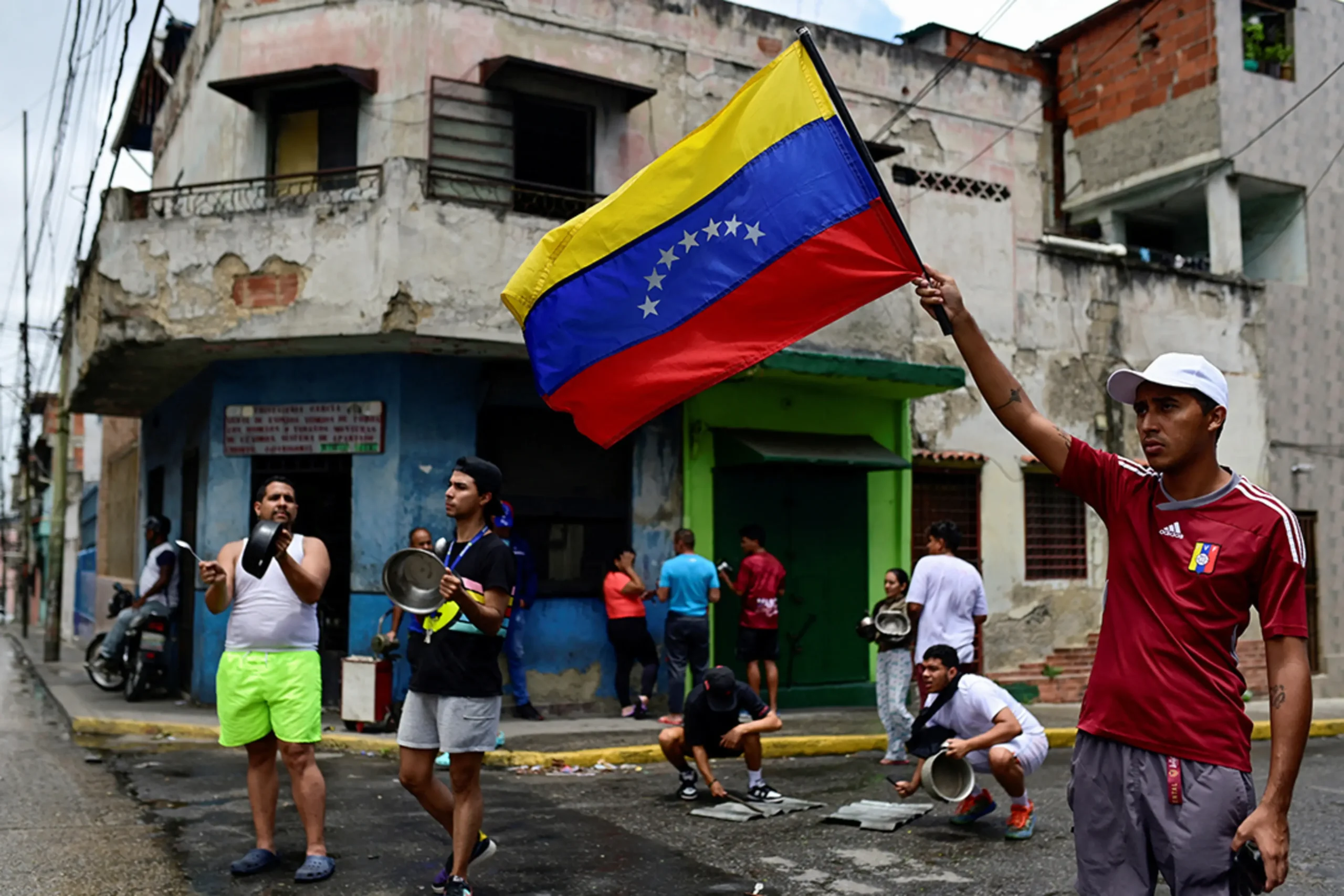
The conflicts between the United States and Venezuela have origins that stretch back several decades, and these stem from Cold War-era diplomacy, disparities in regional development, and clashing political ideologies.
While the conflicts escalated over time, the main strain in the relationship began to sharpen after Hugo Chávez became president in 1999.
Chávez pursued a socialist agenda, nationalized segments of the oil sector, and was vocal in his opposition to U.S. influence in Latin America.
Chávez and Regional Shift
Under Chávez, Venezuela began to sever connections with previously U.S.-aligned governments in the region. Venezuela developed new partnerships, notably with Cuba, and supported leftist political movements throughout Latin America.
This change resulted in renewed tensions with Washington. There were sanctions, protests, and international condemnation from U.S. administrations as they raised concerns about threats to democratic norms and regional balance.
Maduro and the Reversal of Trust
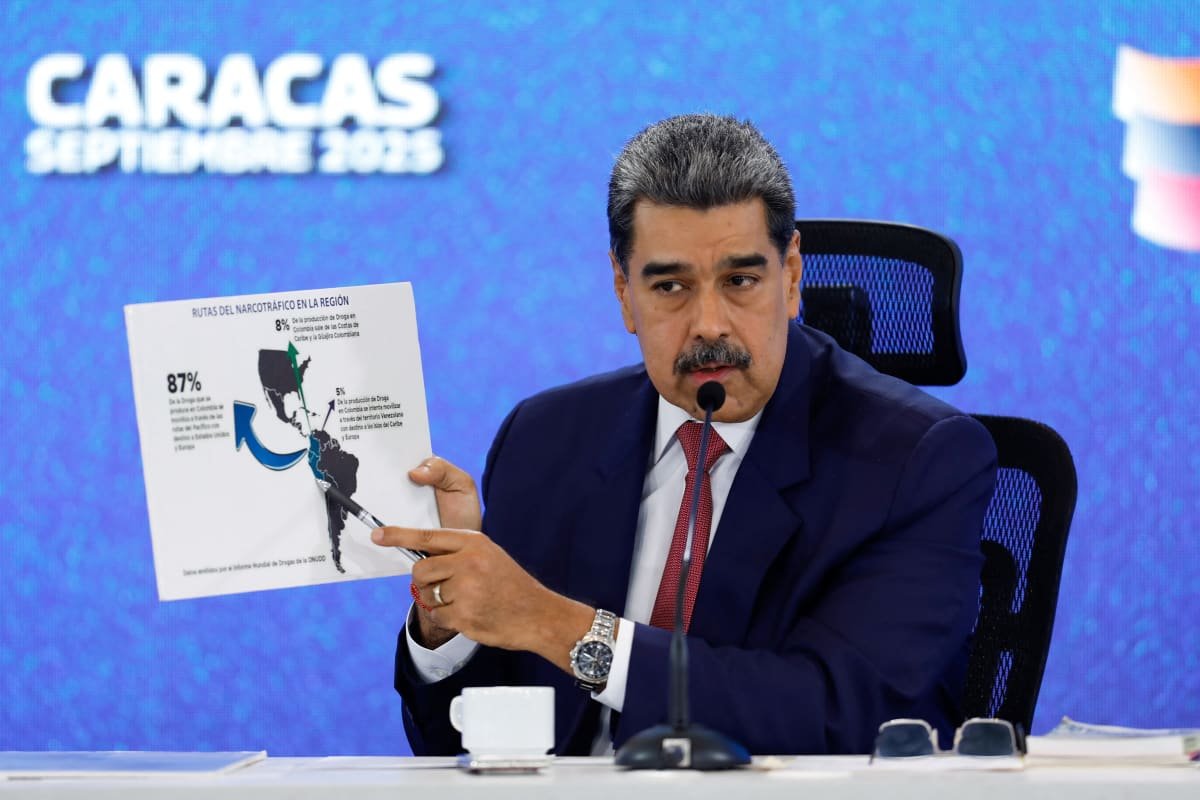
Following the death of Hugo Chávez in 2013, Nicolás Maduro assumed the presidency. Unchecked economic mismanagement, the fall in oil prices, and internal repression led to extreme crises in Venezuela, while humanitarian conditions also suffered.
The United States responded with targeted sanctions, adding diplomatic isolation and support for opposition leaders — deepening the already strained relationship.
Main Causes of the United States Venezuela Conflict
In order to understand the current impasse, we must unwind the main causes at play:
Oil and Energy Resources
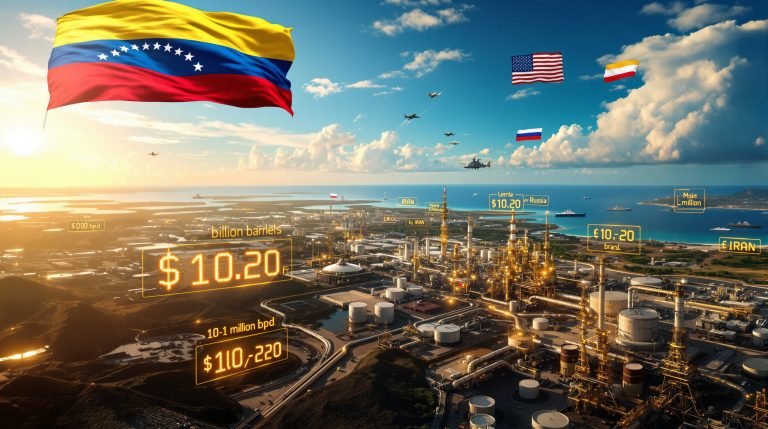
Venezuela possesses one of the largest proven reserves of oil in the world. The say over its energy sector gives it tremendous economic leverage — and it makes it a strategic target to exert pressure. US worries about stable supply, energy markets, and influence over pricing of oil are all part of its policy toward Caracas.
Ideology and Political Governance
The ideological divide between the populist/socialist regime in Venezuela and the liberal democratic norms held by many in Washington influences the way each sees the other. Issues of human rights, democratic elections, and governance have become rallying points of opposition to US policy.
Regional Influence and Sphere of Influence
Latin America has long been a region of geo-strategic importance. US officials view Venezuela both as a representation of and as a potential lever for influence — whether it be through migration policy, regional security cooperation, or a bloc element (i.e. OAS or UN).
Financial Catastrophe & Humanitarian Aspects
The collapse of Venezuela’s economy has observed mass migration, internal displacement, even food and medicine scarcity. The U.S. characterizes part of its intervention as humanitarian or moral, though detractors claim that certain actions serve a more focused geopolitical purpose.
Additional Actors and Alliances
The conflict does not occur in a vacuum. Russia, China, Cuba, Iran, and other states take supporting roles for the Maduro government —be it economic, diplomatic, or military. This creates added layers of competition with U.S. global strategy.
Primary Stages of the Conflict
Phase 1: Initial Sanctions & Diplomacies (2014-2017)
Following indicators of economic distress and democratic deterioration, the Obama administration began sanctioning individuals from the Venezuelan government and businesses related to oil.
This created a premise for stronger interventions under future administrations. Diplomatically, there were also increased sanctions at regional multilateral summits.
Phase 2: Opposition Recognition & Escalation (2018-2020)
Under President Trump administration, the U.S. formally recognized opposition leader Juan Guaidó to interim president in early 2019.
This action elevated the confrontation between the United States and Venezuela. Washington also imposed comprehensive sanctions on oil and finance that cut-off access to U.S. capital and froze Venezuelan funds held abroad.
Venezuela’s responses included to engage its remaining allies and develop alternate trade routes to circumvent U.S. sanctions.
Phase 3: Humanitarian Pressure & Migration Crisis (2020-2023)
The Venezuelan humanitarian crisis continued to worsen and the migration from Venezuelans continued into neighboring countries (Colombia, Brazil, etc.). Washington’s responses were to modify border policies, conditional aid, and negotiations around displacement (refugees).
Washington maintained sanctions, but also stated interest in limited humanitarian relief, but also conditioned to political situations.
Stage 4: Returning to Engagement & Strategic Change (2024 onwards)
More recently, the Biden administration has expressed interest in reconnecting diplomatic processes while considering limited sanctions relief (in exchange for political concessions).
At the same time, global shocks – such as increased energy demands or regional security crises – push for renewed U.S. engagement with Venezuela, albeit under restrictive conditions. Some bilateral and multilateral dialogues have returned, but suspicions and mutual distrust prevail.
Impacts on Venezuela
Economic Fallout
Sanctions, currency collapse, and mismanagement combined to shrink Venezuela’s economy drastically. Inflation soared, infrastructure decayed, and basic services deteriorated.
Many Venezuelans lost access to reliable healthcare, food, or power. International investors pulled out, and foreign direct investment dried up.
Political Legitimacy & Internal Polarization
Inside Venezuela, the conflict reinforced divisions between regime and opposition. While Maduro retains control over key institutions, opposition parties remain fractured.
Protests are suppressed, elections are branded illegitimate by opposition and many international observers, and civil society faces high levels of pressure.
Social Crisis & Humanitarian Consequences
Millions have fled the country. Families now live abroad, remittances have grown in importance, and neighboring states face refugee-management challenges.
The public health system collapsed in many regions; childhood nutrition levels declined; basic infrastructure, such as water or electricity, is unreliable.
Regional Reputation
Venezuela’s standing in regional organizations has suffered. It has become isolated in some multilateral institutions.
At the same time, its alliances with non-Western powers (China, Russia, Iran, Cuba) have grown more visible — further distancing it from Western-aligned Latin American peers.
Consequences for the United States & Region
Geopolitical Implications
The U.S. frames its Venezuela policy as a signal of its commitment to democratic governance as part of a larger strategic posture in the Western Hemisphere. Backing the opposition is supportive of the political necessities, but invites backlash for being an interventionist and selective champion of human rights.
Migration & Border Policy
Mass migration from Venezuela has manifested in U.S. southern border policy discussions. Refugee flows, asylum claims, and coordinating regional responses with domestic U.S. politics are all intersecting. The humanitarian spill-over pressures federal agencies and affects congressional conversations regarding immigration and aid budgets.
Energy Markets and Global Strategy
Even if the U.S. does not subsidize much Venezuelan oil at the moment, restrictions on investment and production still have a bearing on energy supply lines around the globe. Rising demand for energy security means that the conflict represents a strategic issue for U.S. planning.
Additionally, the status of Venezuela weighs on coordinating allied (e.g. EU, Central/South American states) hang-ups diverting to energy diversification.
Influence Among Latin American Partners
U.S. policy toward Venezuela influences how other countries in Latin America will align themselves. Bolivian, Mexican, Colombian, or Brazilian governments will measure, in part, their support or condemnation of Venezuela based on how Washington behaves. This gives the U.S. indirect leverage, while also bringing reputational risks: for example, Washington is accused of double standards in its support for democracy.
Global Powers & International Dynamics
Russia & China
Russia and China have made economic investments (i.e., money, technology, or diplomatic cover) in Venezuela’s oil sector.
Their presence serves to undermine U.S. influence while also being a part of a larger geopolitical competition amongst great powers in Latin America. U.S. policymakers see it as part of a larger strategic competition on the world stage.
Cuba & Iran
Cuba is still a close partner of Maduro’s regime and continues to provide some level of intelligence cooperation, technical advisers, or other forms of diplomatic support. Involvement from Iran is more symbolic but illustrates that Venezuela can be used as a center of gravity in terms of anti-Western alliances.
Those alliances are a concern for U.S. officials who may view them as posing a future threat in terms of destabilization (e.g., illicit trade routes or the ability of the regime to evade future sanctions).
Multilateral Institutions
Institutions such as the Organization of American States (OAS) and the United Nations, along with other regional blocs (Community of Latin American and Caribbean States — CELAC) mediate and partly the conflict., Whereas, some of those institutions denounce the Venezuelan government’s human rights laws, others may denounce that U.S. sanctions have social impacts that re-enforce state repression Even these compete create diplomatic tension, competing mandates, and legal issues.
Challenge and Critiques of U.S. Strategy
Humanitarian and Coercive Policy
Critics argue that U.S. sanctions act more as coercive policy than humanitarian leverage. While the sanctions are meant to coerce the regime to bring about positive changes, they generally strike the lives of average Venezuelans. Critics have asked for “smart sanctions” or more thoughtful engagement, rather than broad measures.
Legitimacy and Sovereignty Concerns
Some observers have accused Washington of meddling in Venezuela’s internal affairs. Endorsing opposition figures, not willing to engage diplomatically with elected states, and initiating secondary sanctions raise questions about national sovereignty and international norms of not intervening.
Domestic Political Constraints
U.S. administrations have to navigate competing pressures: human rights interests promoting action; business or energy interests resisting instability; Congress divided on foreign-aid priorities. This limits how flexible or audacious U.S. policy can become, even when it could be advantageous to act more boldly to improve the situation.
Potential Future Outcomes
To think about how the US Venezuela conflict could proceed, consider a few potential scenarios as examples of future behavior:
Negotiated Settlement Scenario
Under international mediation, the Maduro government could agree to hold credible elections if the US engages in phased sanction relief. The US could then restore diplomatic relations, allow some limited investment in oil production, and arrange humanitarian assistance.
Stalemate
Neither side blinks. The sanctions stay in place, political repression continues and humanitarian suffering worsens. The citizens cannot flee, creating a deeper isolation but no resolution. Migration continues and both governments double down against a compromised position.
Escalation & Proxy Involvement
In a more contentious scenario, outside powers increase involvement (e.g., Russia deepens security relationship, China invests more in energy deals, etc.). The US could respond with further diplomatic or financial impositions, creating more tension within the hemisphere.
Incremental engagement with limitations
Alternatively, a more centrist U.S. administration may opt for recalibrated pressure, perhaps by allowing some sanction relief ultimately tied to limited reforms, while still keeping other sanctions tied to human rights, anti-corruption and transparency requirements.
In this scenario, there could be opportunities for much-needed trust without the republic fully normalized.
Advice for Policy Makers
If the goal for Washington is to seek to mitigate risk while further enacting stability, the following may aid in reducing the adverse impacts of the conflict:
- Create multilateral diplomacy through OAS, UN or other organizational hemispheric forums.
- Link humanitarian convolution to verifiable reforms that do not directly appear to be tied to partisan political interests.
- Support civil society and independent media functioning in Venezuela and not just rely on elites that are designated.
- Promote regional consensus building (Columbia, Brazil, Mexico, etc) that creates coordinated migration policy, trade collaboration, and border security.
- Observe external actor influence (Russia, China, Cuba) and create cooperative arrangements (energy investment, reconstruction bonds, etc.) that mitigate long-lasting animosity.
WRAP UP!
In conclusion, the conflict between the US and Venezuela is one of the most dynamic larger geopolitical and diplomatic dramas of our time.
Its roots reach far deeper than oil-laden trade or electoral concerns—they are about values, influence, regional identity, and national sovereignty vis-à-vis international legitimacy.
Conclusively, just as its origins and developments will reverberate through Latin America, it will shape US foreign policy for years to come.
Some positive signs may emerge in time, but sustained, ideological distrust permeates both Washington and Caracas, preventing any easy solutions.
In a world of emerging alliances, the resolution of this geopolitical event is affected by domestic developments as much or more than international moves.