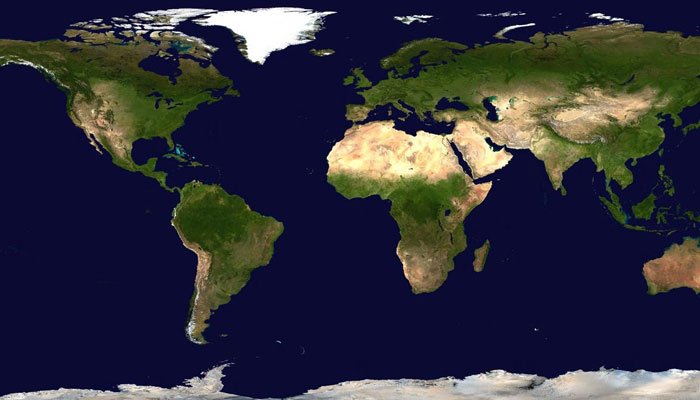
Global Arms Exporting Nations Worldwide (2020-2024). Between 2020 and 2024, the global arms export landscape saw significant shifts in leadership, volume, and destination markets.
According to data from the Stockholm International Peace Research Institute (SIPRI), the United States maintained its dominance. Meanwhile, European countries such as France and Italy increased their market shares. In contrast, traditional exporters like Russia experienced notable declines due to geopolitical and economic constraints.
This report explores the top 10 countries by global arms export share from 2020 to 2024, offering insights into their positions, key export products, and strategic markets.
While in 2023, global exports of goods totaled $23.8 trillion, marking a 5% decline compared to 2022. Despite this decrease, the global export landscape remains dynamic, with protectionist measures becoming more prevalent.
1. United States – 43% Global Share
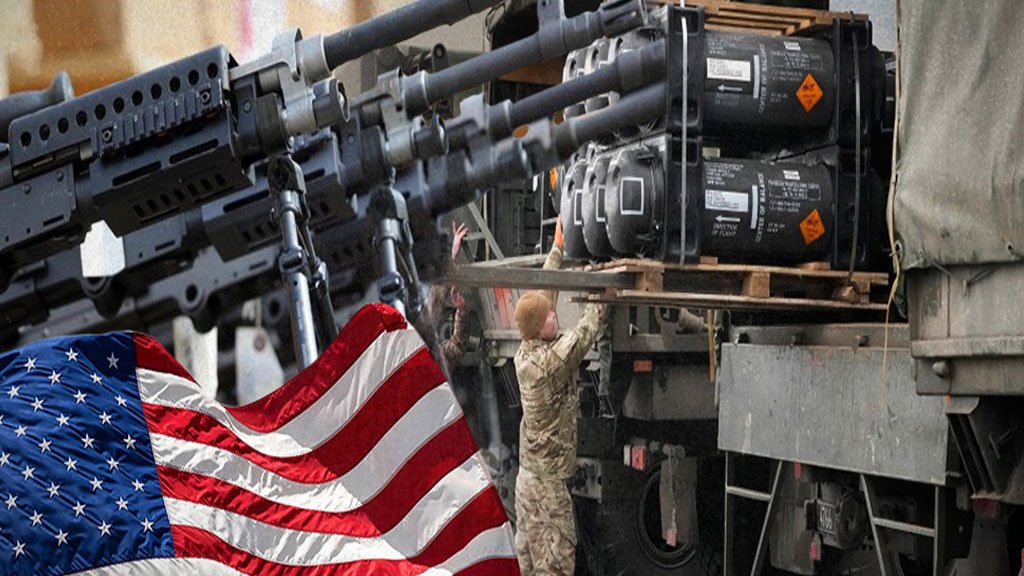
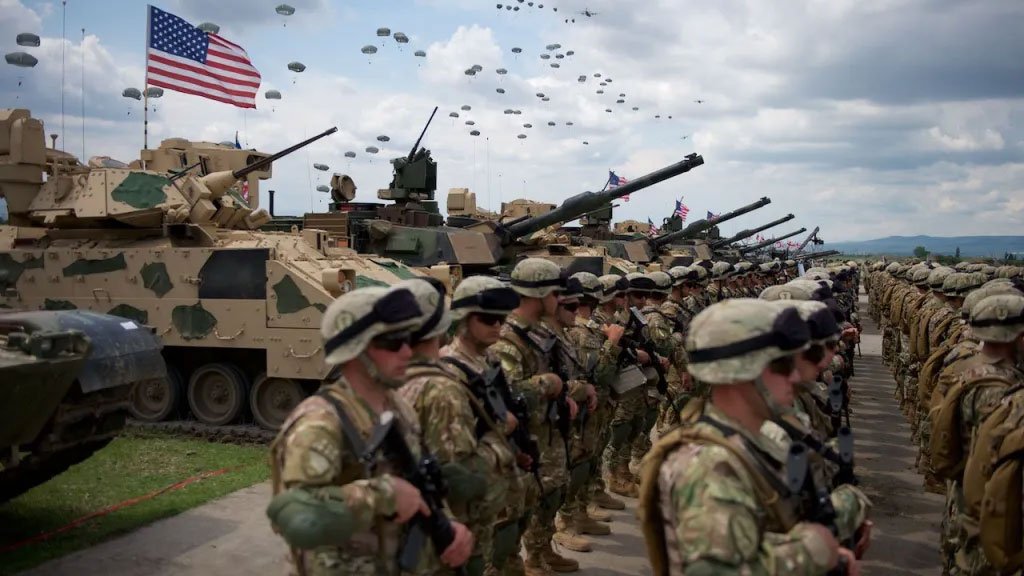
The United States remained the largest arms exporter in the world, accounting for 43% of total global exports during the 2020–2024 period. This dominance was underpinned by advanced aerospace technologies, fighter jets, missile defense systems, and naval power. Moreover, the U.S. maintained strong export relationships with countries in the Middle East, Europe, and the Asia-Pacific region, reinforcing both strategic alliances and military influence worldwide.
2. France – 9.6%
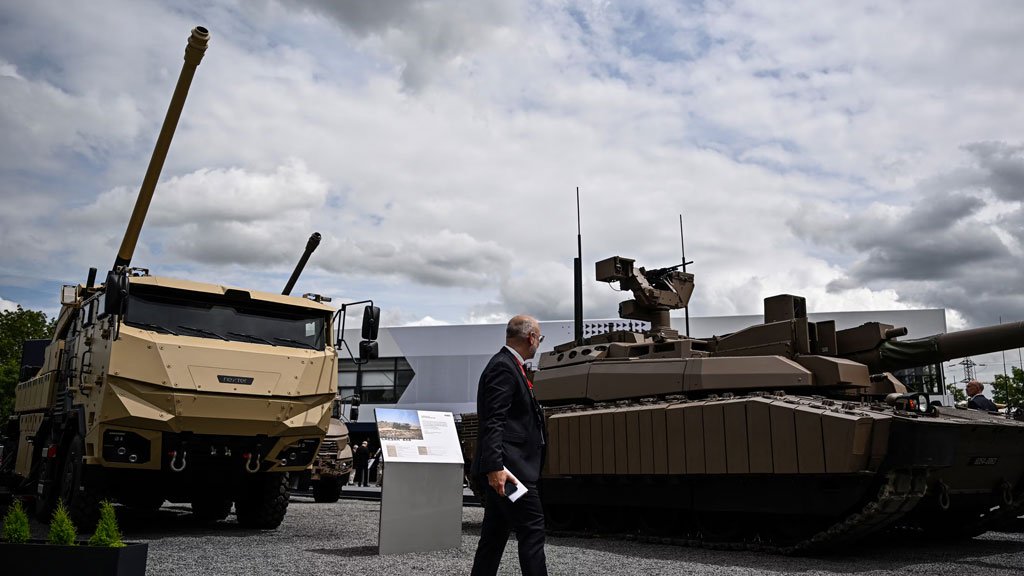
France solidified its position as the second-largest global arms exporter with a 9.6% share. The country saw increased demand for Rafale fighter jets, submarines, and naval technologies, particularly from buyers in India, Egypt, and Southeast Asia. Furthermore, France’s arms export policies are closely tied to strategic diplomacy, expanding its presence across both traditional and emerging markets.
3. Russia – 7.8%
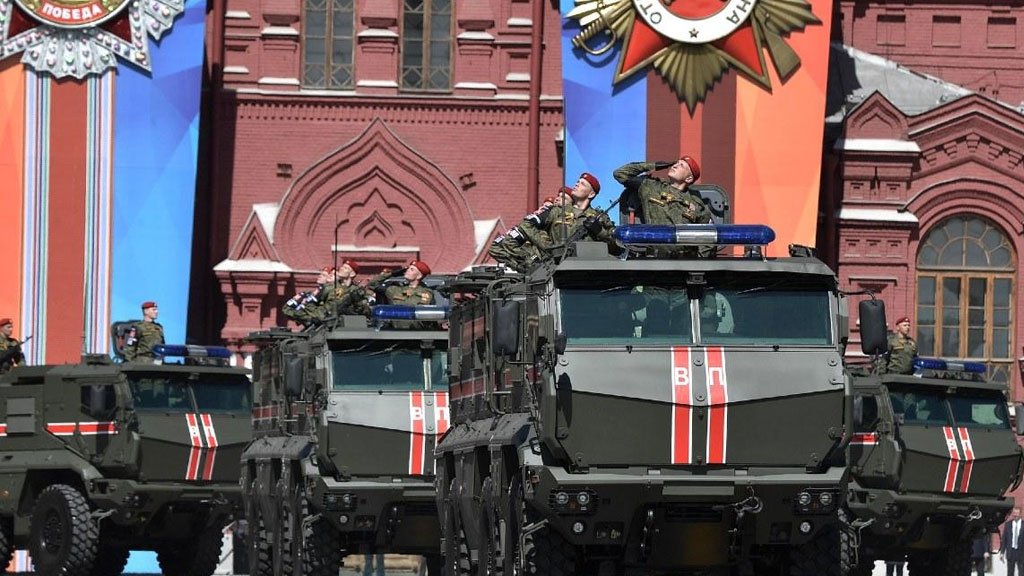
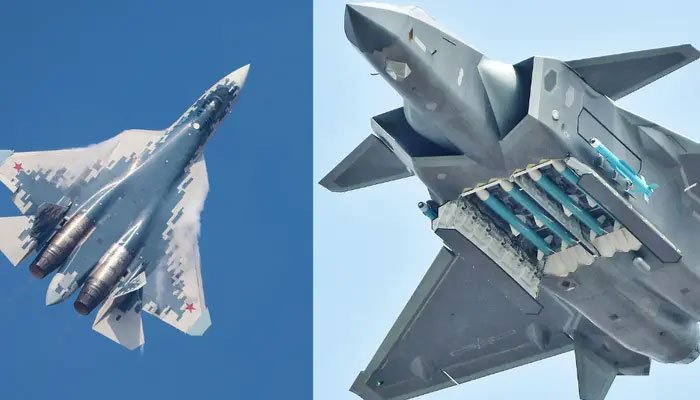
Russia’s global arms exports dropped sharply to 7.8%, down from 21% in the previous reporting period. This significant decline was largely due to Western sanctions, increased domestic demand for weapons amid the war in Ukraine, and a strategic shift in military production toward internal needs. Nonetheless, traditional customers in Asia and Africa remained engaged. However, new deals became fewer amid growing isolation and increasing global competition.
4. China – 5.9%
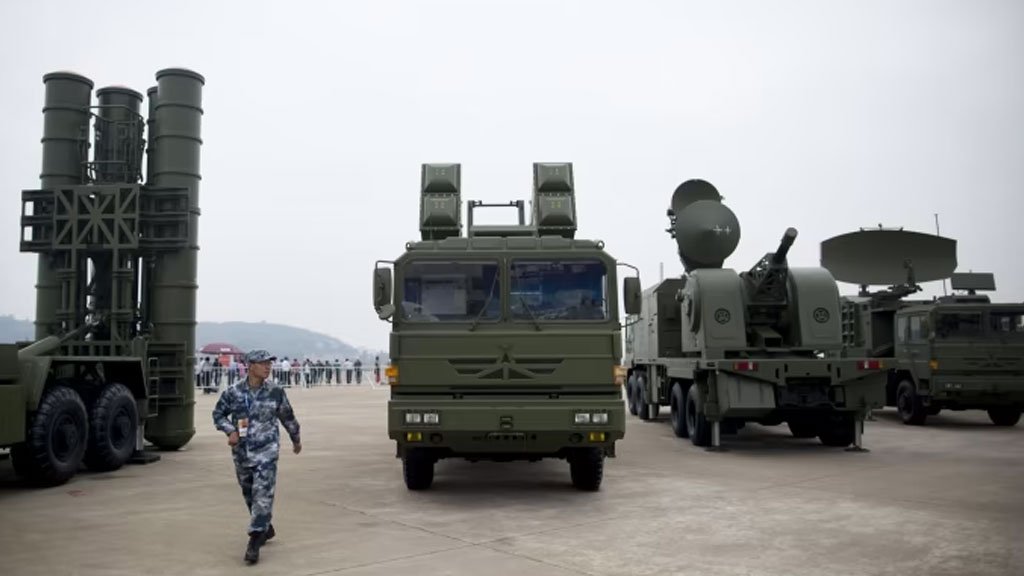
China continued its rise as a key defense exporter, capturing 5.9% of the global market. Chinese defense sales included drones, missiles, and armored vehicles, particularly to countries in Africa, Southeast Asia, and the Middle East. Additionally, China’s increasing influence is supported by its Belt and Road Initiative, which often combines infrastructure investments with military-industrial partnerships.
5. Germany – 5.6%
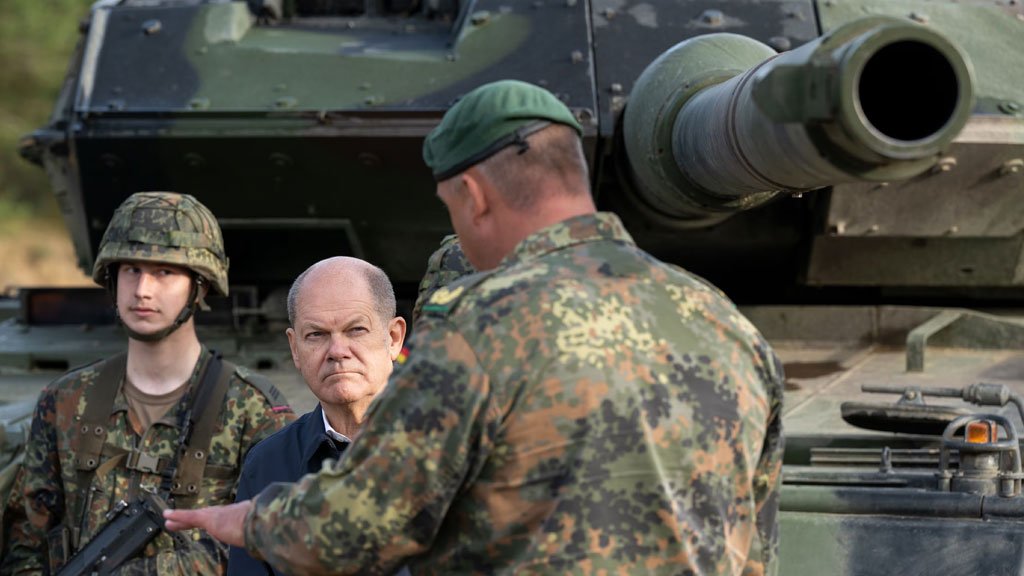
Germany ranked fifth globally, contributing 5.6% to global arms exports. Its leading products included submarines, missile systems, and armored vehicles, with major exports directed to Ukraine, Egypt, and Israel. Notably, Germany’s defense industry emphasized precision engineering and reliability, positioning it as a preferred supplier for technologically advanced and politically stable partners.
6. Italy – 4.8%
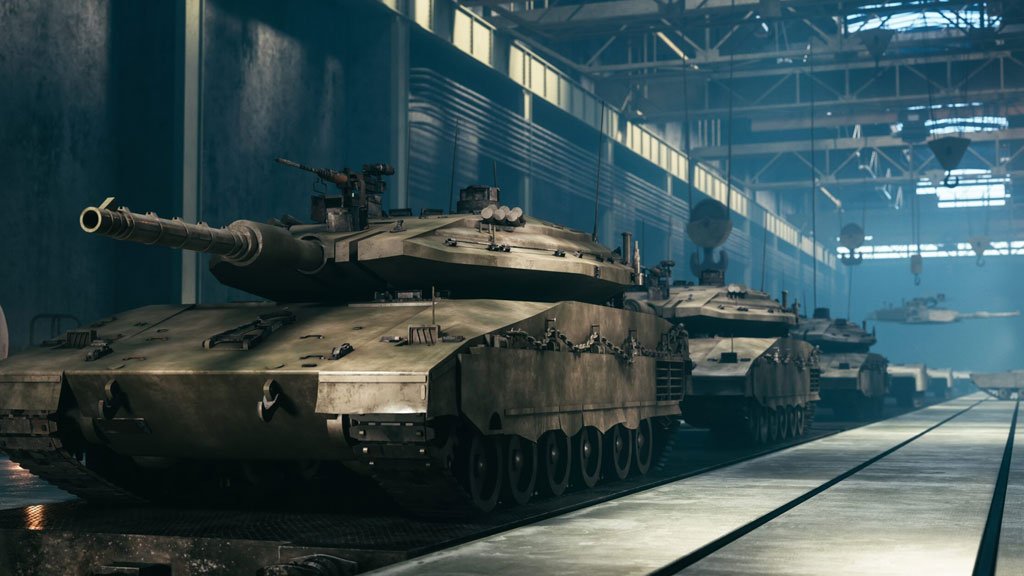
Italy emerged as a fast-growing exporter, rising from tenth to sixth place with a 4.8% global share. The country exported naval systems, combat aircraft, and guided missile technologies, with key buyers located in the Middle East and North Africa. This growth is closely tied to defense modernization programs and Italy’s integrated role within both EU and NATO frameworks.
7. United Kingdom – 3.6%
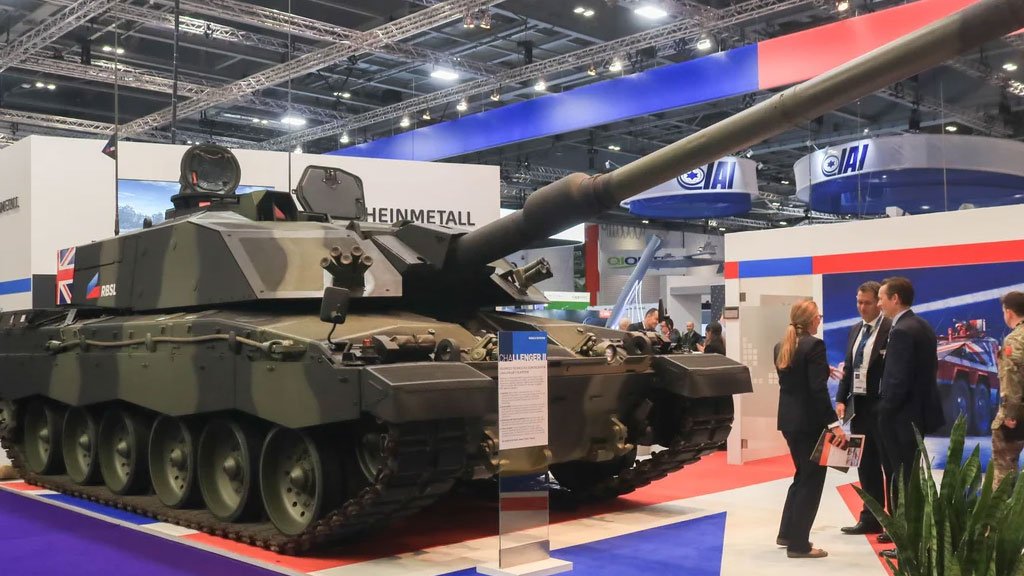
The UK accounted for 3.6% of global arms exports between 2020 and 2024. Known for fighter jets, cyber warfare technologies, and advanced naval capabilities, Britain maintained strong export ties with Gulf nations and NATO allies. Following Brexit, British defense diplomacy became more proactive, contributing to new trade arrangements and deeper technology partnerships.
8. Israel – 3.1%
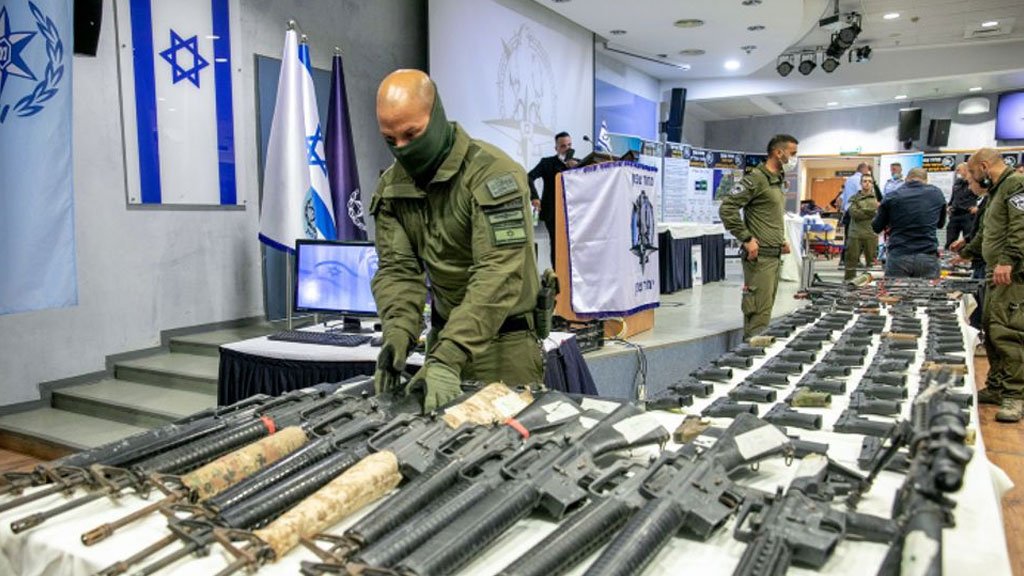
Israel achieved a 3.1% share in the global arms market, driven by strengths in missile defense systems (such as the Iron Dome), unmanned aerial vehicles, and cybersecurity solutions. As a result, Israel’s client base expanded across Asia, Europe, and North America. This global demand reflects Israel’s reputation for high-tech, battle-tested defense equipment.
9. Spain – 3.0%
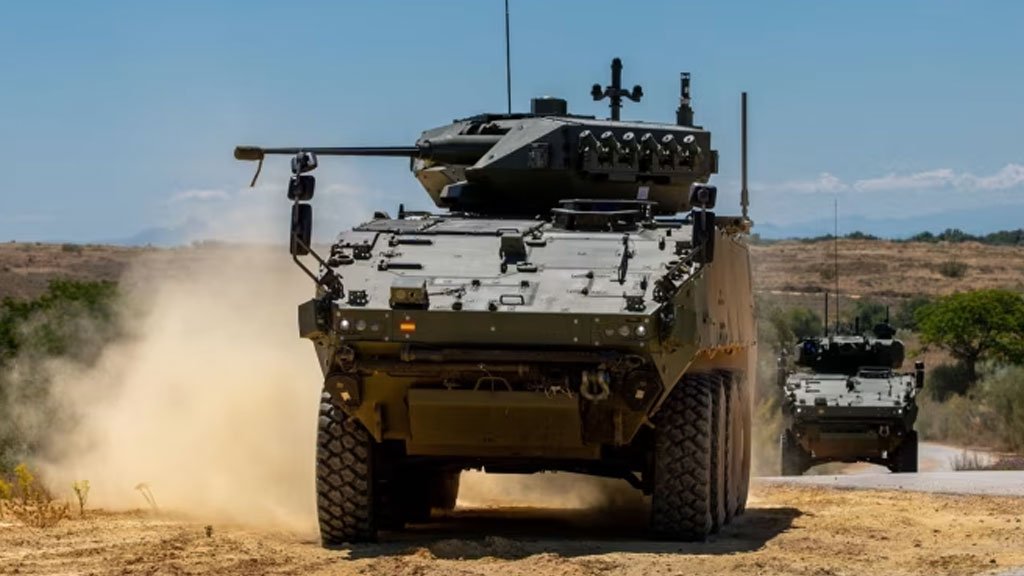
Spain maintained a strong presence in the arms export market with a 3.0% share. Its key exports included naval vessels, military aircraft, and land-based defense systems. Largely, Spain’s arms trade focused on European partners and Latin America, where it is gaining recognition for reliable mid-scale defense platforms.
10. South Korea – 2.2%

South Korea continued its emergence as a global defense player with a 2.2% share. The country’s rising exports included tanks, missile systems, and naval platforms, notably to Southeast Asia, Eastern Europe, and the Middle East. Increasingly, Seoul is positioning itself as a key alternative defense supplier, particularly for countries seeking to diversify beyond Western or Chinese providers.
Conclusion
The period from 2020 to 2024 marked a notable realignment in the global arms trade. While the U.S. solidified its lead, European countries like France, Italy, and Germany expanded their shares through strategic alliances and technological appeal. Conversely, Russia experienced a dramatic decline due to both internal and external pressures. Meanwhile, emerging exporters like South Korea and Israel are gaining ground by offering specialized, high-tech systems tailored to modern security needs.
Looking forward, continued geopolitical tensions, defense innovation, and shifting alliances will shape the next phase of arms export trends worldwide.