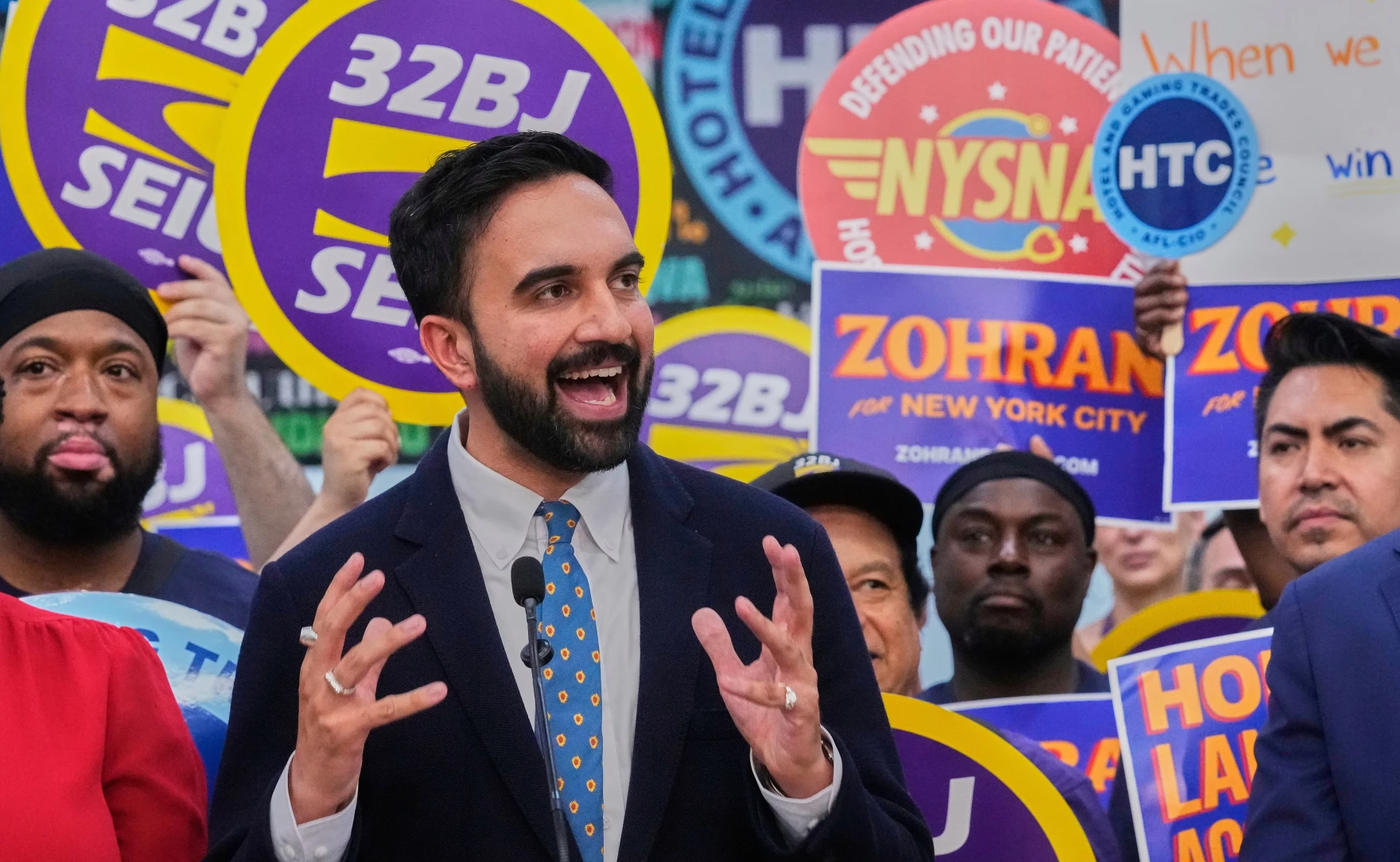
Zohran Mamdani is now one of New York City’s influential political voices; and his ascendance to mayor-elect marks a watershed moment in the political history of the city.
A native of Uganda, he traversed continents in youth, and -ultimately- he became molded by the multicultural neighborhoods of Queens, MA. Zohran Mamdani carries with him a genuinely unique, urban, people-centered energy into the political sphere.
The story of Mamdani is about a global citizen, who has witnessed inequalities up close, as well as proactively decided to seize the issues of concern through direct action, community service, and bold robust policy ambition.
As he steps toward the mayor’s office, his progressive agenda has already begun reshaping discussions around housing, affordability, social justice, and the future identity of New York City.
Early Life: A Multicultural Foundation
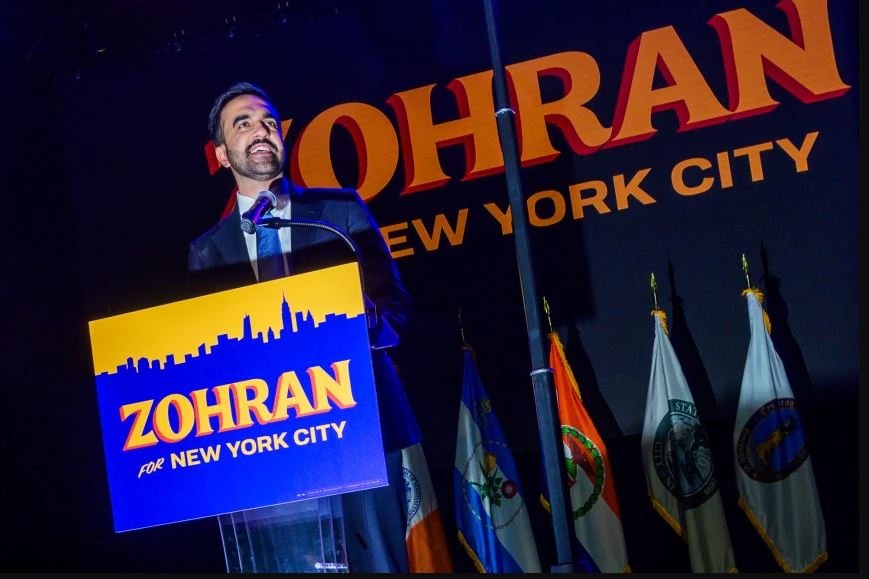
Zohran Mamdabi’s early life was influence by worldwide displacement, academia, and multiculturalism. He was born in Kampala and spent the first years of his life in the social complexity of post-colonial East Africa.
Even as a child he saw inequality, economic deprivation, and suffering families, all of which ceremoniously would be the ideological roots of his politics.
The family then moved to Cape Town, where he witnessed a society confronting deep structural inequality. These early transitions showed him the public states of privilege and poverty, a perspective that remains with him to this day.
When his family finally settled in New York City, the young Mamdani became part of Queens’ diverse immigrant landscape. Growing up in a community where neighbors spoke dozens of languages and came from countless cultural backgrounds helped him develop a strong appreciation for inclusivity and representation.
His exposure to cultural storytelling, political discourse, and academic thought within his own family environment also broadened his worldview. By the time he entered high school, he had already developed a sharp political awareness shaped by personal experience rather than theory.
Scholarship Years and the Activism Path
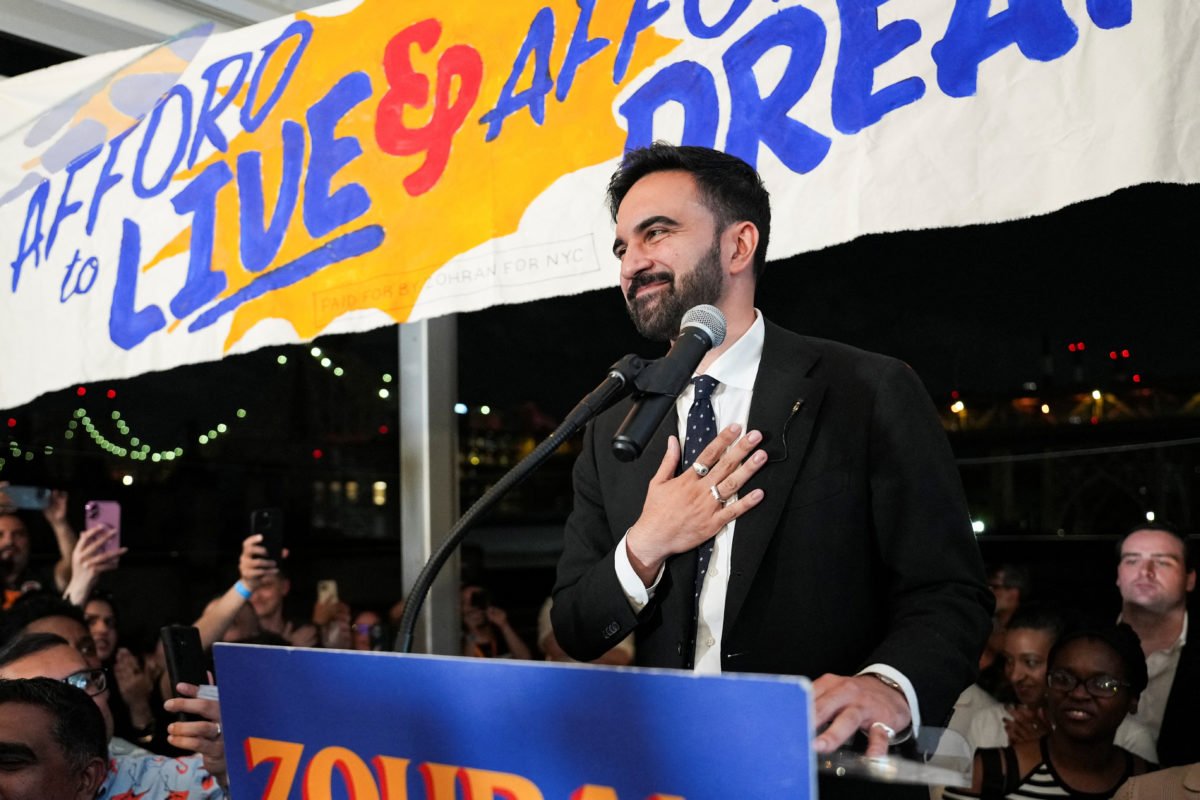
Mamdani’s educational path was essential to establishing his political identity. As a student in one of New York’s competitive high schools, he became interested in social justice, history, and political justice.
Unlike many young students, Mamdani did not limit his learning to textbooks; he gravitated toward the conversations that were happening around racial justice, immigrant rights, and economic inequality.
During his college years, he further honed his intellectual curiosity with his studies around colonial histories, political resistance movements, and liberation struggles. These studies helped him think through social inequality from historical, political, and economic perspectives. Academic learning also strengthened his commitment to participate in political social change rather than remaining an observer.
The academic space was just one avenue that Mamdani became engaged in community-based initiatives in support of immigrant families, renters, and low-income neighborhoods.
This involvement through volunteer programs and grassroots campaigns provided him with an up-front perspective of the realities facing New Yorkers who lived paycheck to paycheck. The academic study complemented his experiences and helped to nurture an inevitability toward the political path he would take.
A Career Commences: Grassroots Organizing and Housing Advocacy
Prior to assuming elected office, Zohran Mamdani served as a housing counselor assisting families in Queens who confronted the challenges of rising rents, potential eviction, and predatory landlords. This helped ground him in the real-world struggles of renters—especially immigrants with little legal acumen and limited financial resources.
For many years, he assisted clients with various bureaucratic housing structures, negotiated with landlords, and secured long-term solutions for families in precarious housing situations. His engagement with struggling families during that period also would inform his future platform.
Mamdani likes to recall that work in housing taught him the way policies or practices can fail to protect the most vulnerable in our communities.
While working as a housing counselor, he also became increasingly involved in political action. He participated in campaigns and movements demanding tenant protections, equitable access to public transit, climate justice, and immigrant rights.
Those relationships reinforced his understanding that any political representative had to be accountable to communities in their leadership. He experienced directly the fight for immigrant rights in NYC to protect his own family.
He found himself at the epicenter of a new generation of progressive organizer’s who believed government had to act in the interest of working people in an increasingly authoritarian climate.
A Breakthrough: Winning the New York Assembly Seat
Zohran Mamdani’s leap into formal politics came when he decided to challenge a long-term incumbent in the New York State Assembly. Many viewed his candidacy as unlikely because he was a newcomer challenging an established political figure with deep institutional support.
However, Mamdani’s strength lay in grassroots organizing. He and his volunteers knocked on thousands of doors, connected with renters, students, taxi drivers, and working families, and built a broad coalition of progressives and immigrants. His message centered on affordability, dignity, and justice—values that resonated deeply with voters.
His victory sent shockwaves through political circles. It symbolized a generational shift toward younger, bolder leadership. As an Assembly member, Mamdani quickly gained recognition for his strong communication skills, legislative focus, and willingness to challenge systems that he believed harmed ordinary people.
Legislative Focus and Policy Vision
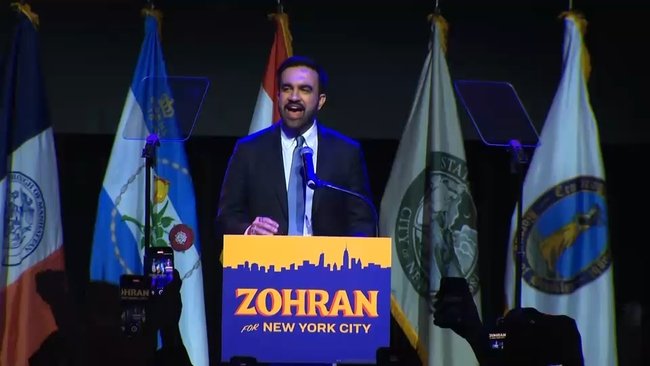
During his time in the Assembly, Mamdani introduced and supported legislation centered on:
- Housing reform to stop unfair evictions and expand rent protections
- Public transit accessibility, including campaigns to remove unfair fines and expand service
- Economic justice, such as raising wages and supporting cooperative business models
- Climate justice, including opposition to polluting power plants in densely populated neighborhoods
- Support for immigrant communities facing legal and financial difficulties
His policy proposals consistently reflected his belief that government should act not as a corporate partner but as a public defender for working-class residents. This approach earned him enthusiastic support from progressives, youth groups, activists, and community leaders.
Entering the Mayoral Race: A Bold Step Forward
Zohran Mamdani’s announcement to run for mayor of New York City marked a daring political step. Many analysts initially doubted his chances, given that he was taking on high-profile figures with more name recognition and long-standing political networks.
However, Mamdani approached the campaign as a community movement rather than a traditional political race. He focused on neighborhood-to-neighborhood outreach, speaking directly with renters, young people, and underrepresented communities. His campaign slogans emphasized fair wages, affordable homes, quality public transit, and accessible child care.
His message resonated strongly with a city struggling under rising costs, housing shortages, and a widening economic divide. With each debate, interview, and rally, Mamdani’s momentum grew stronger.
A Historic Victory: Becoming New York’s Mayor-Elect
Zohran Mamdani’s election as mayor-elect was historic in many ways. He became the first Muslim, first Indian-heritage, and one of the youngest individuals ever elected to lead New York City. His diverse background and progressive stance made his victory symbolic of a broader political transformation in America’s largest city.
His win demonstrated the growing influence of youth voters, immigrant communities, and progressive organizers who wanted a break from traditional politics. For many, Mamdani represents the future—a leader who understands the struggles of ordinary workers and brings a global, inclusive perspective to governance.
Policy Agenda: What Mamdani Wants to Change
As mayor-elect, Mamdani has outlined a transformative agenda built on bold ideas:
1. Housing and Rent Justice
- Expand affordable housing developments
- Strengthen rent-stabilization rules
- Increase city oversight of negligent landlords
- Protect tenants from aggressive eviction tactics
2. Public Transit Improvements
- Move toward fare-free bus service
- Improve subway accessibility
- Expand bike and pedestrian safety zones
3. Economic Fairness
- Raise the minimum wage
- Support worker-owned cooperatives
- Increase access to city-funded financial support
4. Universal Community Support
- Expand publicly funded childcare
- Increase community health resources
- Strengthen education equity
Mamdani believes that a city should function as a shared community, not as a competitive marketplace where only the wealthy thrive. This philosophy guides every element of his policy vision.
Leadership Approach: A Different Kind of Mayor
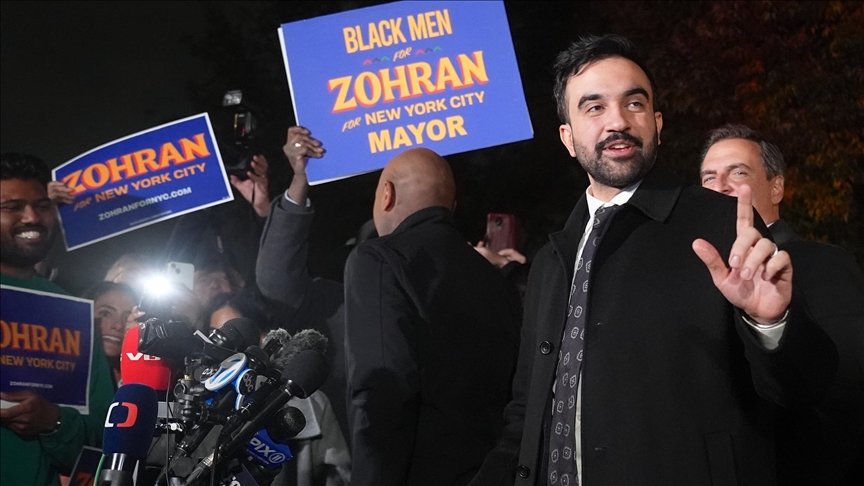
Zohran Mamdani emphasizes transparency, community involvement, and people-centered governance. He plans to maintain direct connections with neighborhoods instead of relying solely on official briefings or internal reports.
He also aims to hire a diverse administrative team, ensuring representation across ethnic, cultural, and generational backgrounds.
This approach contrasts with traditional top-down governance models and reflects his belief that real progress comes from collaborative leadership. He often highlights the importance of listening to residents before drafting policy.
Challenges Ahead
Despite his inspiring rise, Mamdani faces significant challenges:
- New York’s complex budget structure
- Long-standing bureaucratic obstacles
- Deep political polarization
- Resistance from corporate and real estate interests
His success will depend on his ability to balance bold ideas with practical solutions while maintaining public trust and political stability.
The Symbolic Significance of Zohran Mamdani
For millions of immigrants and marginalized communities, Mamdani represents possibility and hope. His rise proves that leadership is no longer limited to established elites. Instead, it is available to anyone with vision, determination, and a commitment to public good.
His multicultural identity also strengthens New York’s reputation as a global city—led by someone who reflects its rich diversity.
Faqs About Zohran Mamdani
What inspired Zohran Mamdani to enter politics at a young age?
He was inspired by witnessing how economic challenges affected immigrants and working families in Queens. These early experiences pushed him toward political advocacy.
Does Zohran Mamdani plan to collaborate with youth groups as mayor?
Yes. He intends to launch a youth-advisory council to involve students and young organizers in policy planning and city decision-making.
What leadership style does Mamdani prefer?
He prefers participatory leadership, encouraging open dialogue, public meetings, and community involvement rather than relying solely on internal political advisors.
How does Mamdani plan to support small businesses?
He is interested in creating low-interest community lending programs to help small businesses survive rising rents and operational costs.
Will Mamdani introduce cultural or arts-related initiatives?
Yes. He plans to expand funding for community arts programs, local filmmakers, and neighborhood cultural festivals to strengthen New York’s creative identity.
Wrap up!
Zohran Mamdani’s transformation from a housing counselor to mayor-elect of New York City is a powerful story of resilience, representation, and progressive ambition.
Read More: ALL about Proposed 27th Amendment in Pakistan
His leadership promises a new era for the city—one where community needs take precedence over corporate interests and where fairness becomes a guiding principle rather than a political slogan.