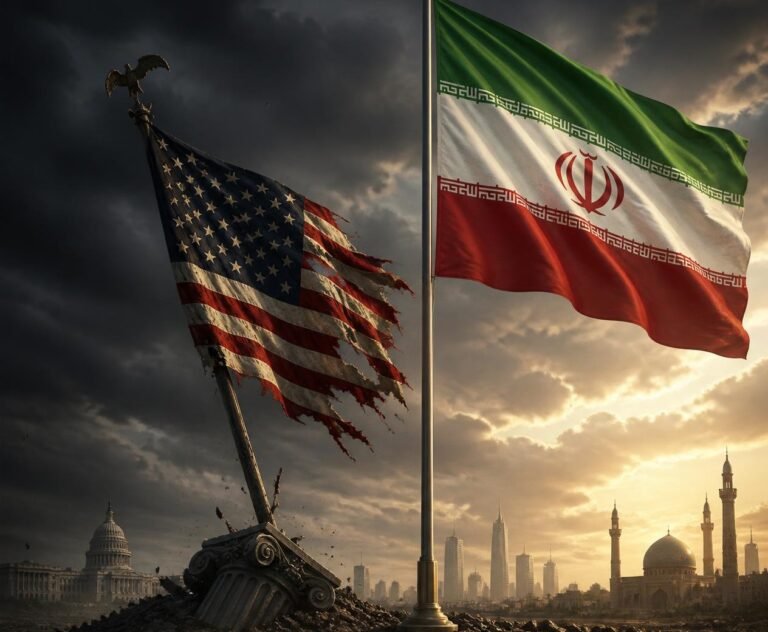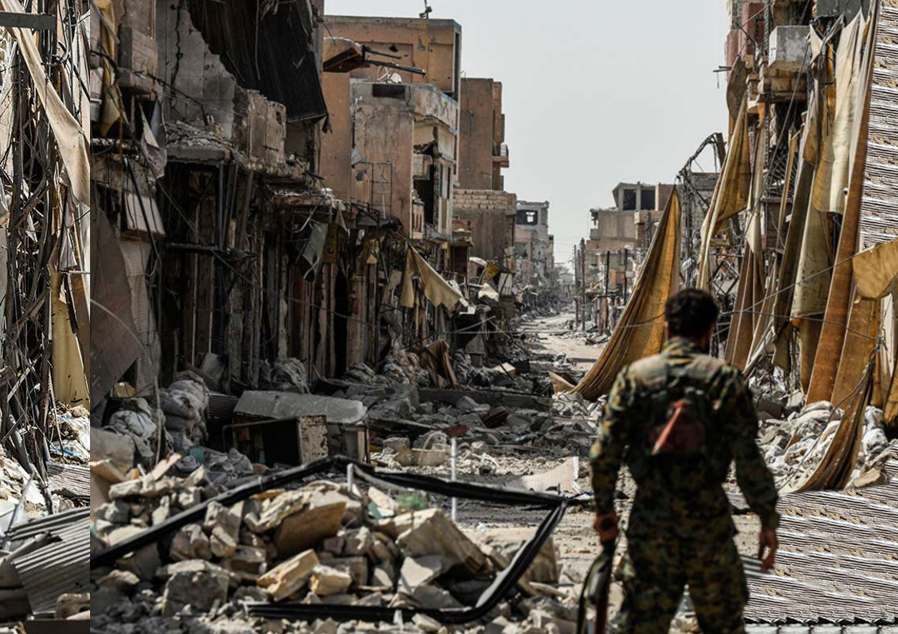
Throughout human history, military confrontation has often been mentioned as the way of achieving peace, security, or national benefit. States consistently justify aggression using the notion of self-defense, survival or strategic necessity. However, we already have the facts on the ground, and that is despite such rationalizations, war does not bring about any lasting peace; instead it increases human sufferings, destroys social institutions and creates the environment of future conflicts that only continue the chain of violence.
Human nature is complex, resting on the benefits of their interests, fears, ideologies as well as ambitions. As much as human beings have a tendency towards peaceful coexistence, the desire to dominate power and resources tends to push the societies towards violence. States; similar to individuals seek perceived interests at the cost of human life and social stability, which cement war.
There are various common themes that have driven nations to war. The basis of one of the main causes of conflict is the limited and competition of the basic resources like land, waters, oil, coal, gold and other valuable minerals. The dominance of the geographically strategic places has consistently provoked aggression, and territorial conflicts began with the colonial conquests and the modern ones between the countries. These conflicts escalate as population increases and resources become more and more limited, turning the competition into a conflict.
Desire to Acquire Power
One of the major reasons is the desire to acquire power and the increased militarization. States tend to build weapons in the name of defense; however, when the armies of the conflicting powers enter the arms race, there is lack of security and not security. Trust is replaced by mutually distrustful elements and channels of diplomacy are sidelined. When rival states cannot agree to compromise or to negotiate, power politics are escalated to open conflicts. This has been proved by the history that military superiority does not make peace; on the contrary, it often triggers counter-alliances and prolongs instabilities.
The divergences in ideologies also play the key role in modern conflicts. Disagreements that arise out of politics, religion and philosophy are dangerous when the conversation goes awry. When ideologies are considered as truth rather than as negotiable, living together would be challenging. Ideologically motivated wars are usually very devastating since they dehumanize the other group, thus making it easy to justify violence.
Devastating Effects of Wars
The effects of war have devastating impacts. The most affected persons are innocent civilians. Thousands of people die, children are deprived of their families, people are displaced, and whole communities are destroyed. The resources that ought to be used in education, medical care provision and development are diverted to the production of weapons and military activities.
War does not only take away lives; it takes away chances of progress in a society. The psychological and social consequences of hostilities are long-term even after the actual stoppage of hostilities. Societies still have hatred, resentment, and the need to retaliate. These negative feelings remain to be unresolved and in most cases this leads to subsequent conflicts thus proving war is not the solution of ensuring sustainable peace. War-born countries are decades behind, and they have to face poverty, unemployment, weaker institutions, and social disintegration.
Conflicts in the Modern Geopolitics
The form of conflict in the modern geopolitics has changed in accordance with the participation of non-state actors. Such groups as the Houthis in Yemen, Hezbollah in Lebanon, and Hamas in Gaza are active in the wider regional power politics and are often supported externally. They increase the scope of conflicts across nations and make the efforts of resolution rather complicated.
At the same time, humanitarian organizations do not have an easy time gaining access to conflict zones to deliver neutral assistance and safeguard international humanitarian law. The United Nations has been the most important international organization to handle conflicts using peacekeeping missions and mediation as it may be considered in the example of South Sudan. Such mechanisms are not perfect, but they remind us of the fact that dialogue and cooperation in the interests of peace, as opposed to warfare, represent the way out.
Peace would be a long time achieved in the world in case war was really the way to get it. But still man is stuck in loops of violence. The states should thus reconsider their security and conflict management strategies. It is possible to promote cooperation only by means of understanding, dialogue, and diplomacy. Trade, economic interdependence, democratic values and international institutions bring about what is commonly known as a harmony of interests by the political theorists whereby states solve issues amicably rather than through the use of force. The foreign ministries and diplomatic institutions are supposed to be given the mandate to negotiate and solve disputes.
Visionary Diplomacy Versus Military Resolution
Traditionally, visionary diplomacy, that is, the politics of compromise and peace, has frequently been overshadowed by hardliners who prefer a military resolution. It is foolish to celebrate war heroes without praising those who strive so hard to ensure that wars do not occur in the societies. Peace and conflict-resolution studies need to be institutionalized in schools and universities at once. The future generations should be taught how to negotiate, meditate, and manage conflict without violence, otherwise even the future generation will not be able to break the same cycle of war that humanity has been caught in.
However, in the end, war never brings peace. It creates devastation, pain, and instability in the long run. Better future of humanity can be guaranteed only by dialogue, understanding, and cooperation. Peace is not a weakness; it is the greatest base on which the civilizations can be developed.