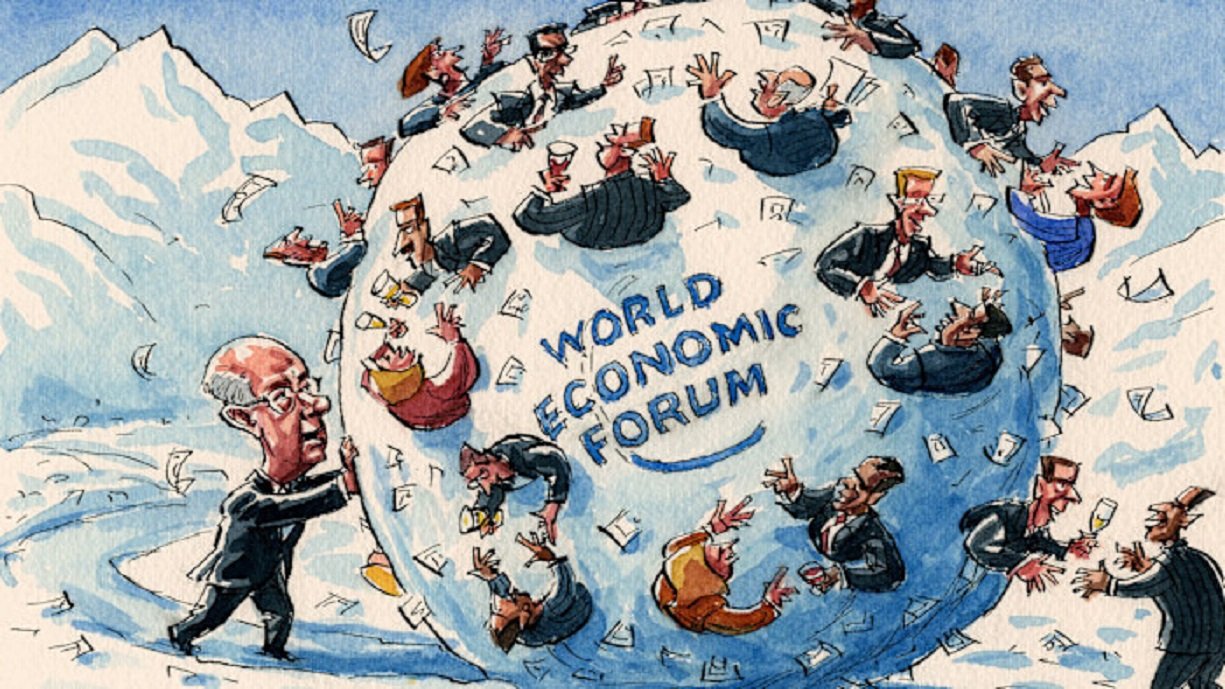
The World Economic Forum (WEF) in Davos has long been the symbol of globalized capitalism, yet its influence has waned significantly in recent years. Once viewed as the conductor of the global economy, the forum now faces an existential crisis of relevance. It faces its existential threat from effective regional bodies such as Shanghai Cooperation Organization or BRICS. By projecting current trends to the 2026 gathering, we can analyze why the magic of Davos has faded and the structural contradictions that prevent it from solving economic crises. The slogan “Spirit of Dialogue” signifies an attempt to maintain open communication channels amidst extreme geopolitical fragmentation. It prioritizes negotiation over isolation, aiming to foster consensus where governments have failed. However, it will likely prove ineffective in solving global economic crises. Mere conversation cannot bridge deep ideological divides or replace necessary fiscal policies; without enforcement mechanisms, this “spirit” remains purely rhetorical.
Talking of Decline Contradictions & Future of World Economic Forum. The forum’s credibility is severely undermined by the controversial figures cited like Larry Fink, CEO of BlackRock, who faces intense scrutiny for his firm’s immense influence on markets and investments in regions linked to conflict, fueling perceptions that corporate elites profit from instability. André Hoffmann (Roche) represents Big Pharma, often criticized for prioritizing shareholder value over equitable access. With Børge Brende and Klaus Schwab at the helm, the WEF is viewed by critics as an elitist club that normalizes the very powers driving inequality. When decision-makers are perceived as complicit in the systems causing conflict or corruption, the “Spirit of Dialogue” appears less like a solution and more like a performance of power. Consequently, the 2026 forum risks being seen as a summit of the accused rather than a convocation of problem solvers.
The Erosion of Prestige and Image
The decline in the WEF’s image stems from a growing perception of hypocrisy and a widening disconnect between the global elite and the general public.
- The “Private Jet” Paradox: The forum’s commitment to “Stakeholder Capitalism” and climate action is routinely undermined by the carbon footprint of its attendees. In recent years, the number of private jets flying to Davos has surged, often exceeding 1,000 flights for a single event. For a forum preaching net-zero, this visual contradiction destroys credibility among climate-conscious constituents.
- The Inequality Gap: The WEF takes place against a backdrop of staggering global inequality. Oxfam reports consistently released around the time of Davos highlight that the world’s richest 1% captured nearly two-thirds of all new wealth created since 2020. When the forum’s attendees—the very individuals representing this top tier—discuss “building trust” and “reimagining growth,” the narrative is viewed by many as performative rather than substantive. The image of “Davos Man” has become a caricature of detached wealth rather than benevolent leadership.
Why the WEF Cannot Settle World Economic Crises
The fundamental reason the WEF cannot “fix” global economic crises is structural: it is a discussion forum, not a governing body.
- Lack of Enforcement Power: The WEF facilitates dialogue between business and political leaders, but it produces no binding legislation or fiscal policy. Economic stabilization requires central bank coordination, fiscal spending, and treaty enforcement—powers held by entities like the G7, the IMF, or national governments, not the Swiss nonprofit foundation that runs the forum.
- Geopolitical Fragmentation: The era of a unified global economy is over. The rise of economic nationalism and the fracture between the G7 and the BRICS nations (Brazil, Russia, India, China, South Africa) means consensus is impossible. The WEF creates a neutral zone, but it cannot bridge the deep ideological chasm between Washington and Beijing or Moscow. With global trade projected to stagnate, the forum’s tool kit of “corporate cooperation” is insufficient against state-level economic warfare.
Main Contradictions of DEF 2026
Looking ahead to the 2026 forum, several deep-seated contradictions will likely dominate the discourse:
- AI Productivity vs. Labor Displacement: By 2026, AI integration will be a primary topic. The contradiction lies in the promise of AI boosting global GDP by potentially 7% over a decade, while simultaneously threatening millions of jobs. The forum will struggle to reconcile the tech sector’s enthusiasm with labor leaders’ demands for protection, a tension that cannot be solved by panel discussions alone.
- Green Transition vs. Economic Growth: The push for Net Zero by 2050 will clash with the reality of sluggish growth. In 2026, developing nations will likely vocalize the injustice of being asked to curb carbon emissions while facing high energy costs and debt burdens. The contradiction will be between the “moral imperative” of the green transition and the “economic imperative” of cheap, reliable energy.
- Digital Inclusion vs. Data Sovereignty: As the digital economy expands, the WEF promotes cross-border data flows. However, by 2026, more nations will have erected “digital firewalls” to protect their own sovereignty. The desire for a unified global digital market will contradict the rising demand for national data control.
Will Trump Appear in Davos 2026?
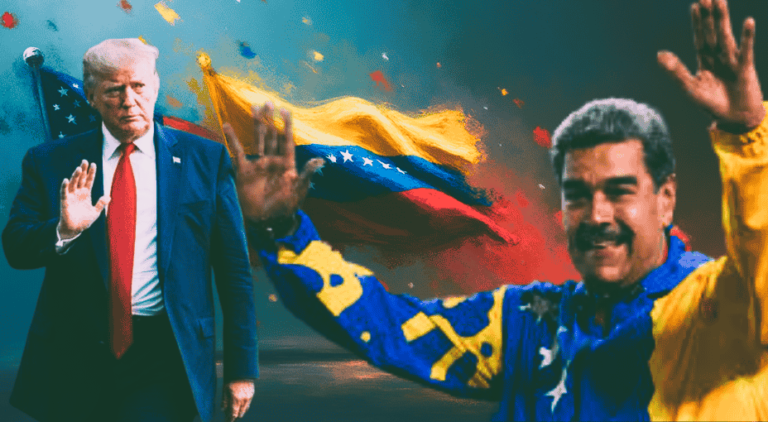
Donald Trump is definitely attending the 2026 World Economic Forum in Davos, Switzerland, leading the largest-ever U.S. delegation to the annual meeting of political, business, and civil society leaders. He’s expected to speak in person and hold meetings with global CEOs and heads of state over several days of the forum (Jan 19–23).
At Davos, Trump will likely focus his remarks on pro-business themes, the U.S. economy, tariffs, housing affordability, and his vision for global economic growth pitching what his team frames as “American leadership” and economic dynamism while pushing back against stagnation and trade barriers.
However, his presence comes amid heightened geopolitical tensions, particularly with key NATO allies after a row over his proposal — and refusal to rule out force regarding Greenland, which European leaders condemned and which has strained transatlantic unity.
Will participants listen? Heads of state, CEOs, and global elites will hear Trump attendance is high and world leaders including Europe’s top officials are present. But many will listen critically, not uncritically. Europe and other allies are already wary after recent U.S. tariff threats and Arctic tensions, and Davos’s theme of “a spirit of dialogue” will be tested by these underlying frictions.
Main Problems Tarnishing DEF 2026
Several specific issues will tarnish the 2026 forum:
- The Trust Deficit: According to the Edelman Trust Barometer, a long-running partner of the WEF, societal trust in government and media has been eroding. If this trend continues, the 2026 forum will be criticized as a “gated community” of elites with no connection to the distrustful populations they claim to serve.
- Irrelevance of the “Middle Class”: The WEF’s focus on “Fourth Industrial Revolution” technologies often alienates the working and middle classes who are worried about wage stagnation. The 2026 forum will likely suffer from the optics of discussing metaverse investments while real-world wages fail to keep pace with inflation.
- Security and Isolation: As global tensions rise, the cost of security for the event will balloon. The militarized zone required to protect attendees will further visually reinforce the image of an elite class hiding behind walls from the problems of the world.
Future of the World Economic Forum
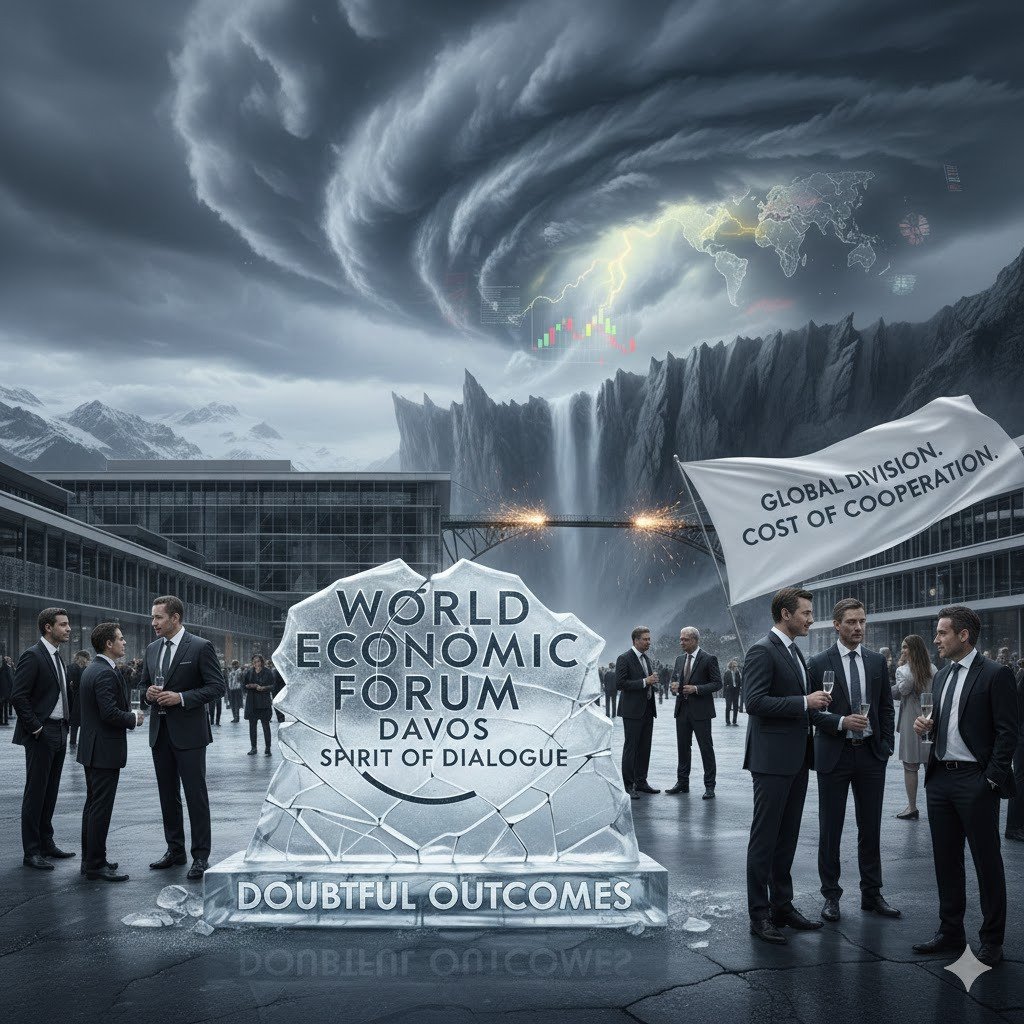
The World Economic Forum in Davos has not necessarily “failed,” but its role has diminished from a driver of globalization to a barometer of global division. The 2026 forum will be defined by the contradictions of a world that wants the benefits of integration but rejects the costs of cooperation. Without the authority to enforce policy, Davos remains a prestigious cocktail party on the edge of a cliff—watching the storm, but unable to stop it.