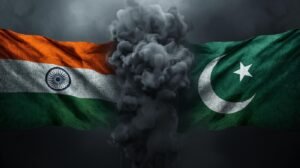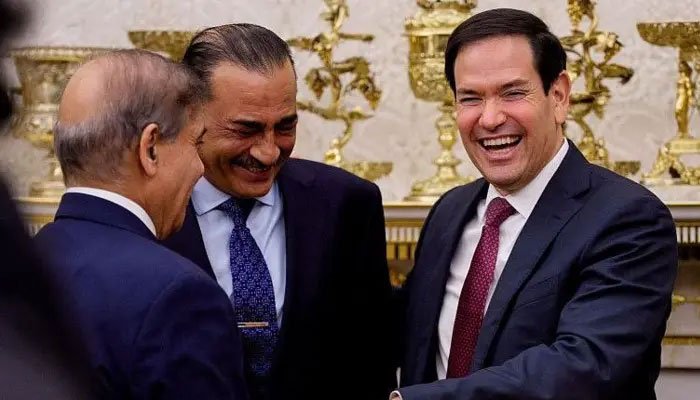
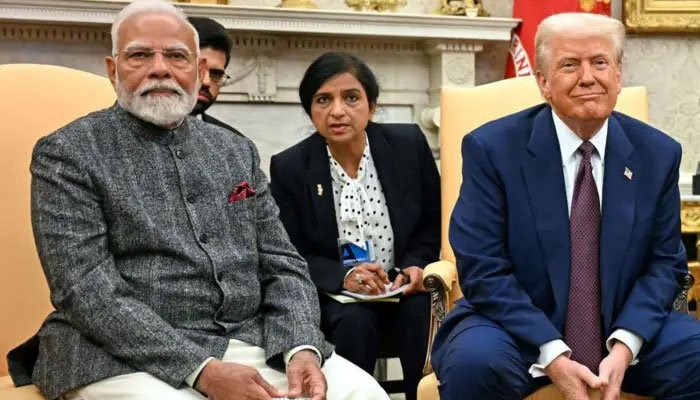
Washington Warms to Pakistan, India Relations Turn Cold. Since Donald Trump returned to the White House in January 2025, relations between India and the United States have failed to warm, while ties between the US and Pakistan have steadily improved.
A year before Trump’s return, in January 2024, Indian Foreign Minister S. Jaishankar had stated that India was “not worried” about Trump’s re-election, saying, “I know many countries are concerned about the US today, but we are not among them.” However, Trump’s second term has seen a series of tensions between Washington and New Delhi, while Islamabad has seized the opportunity to strengthen its strategic partnership with the United States.
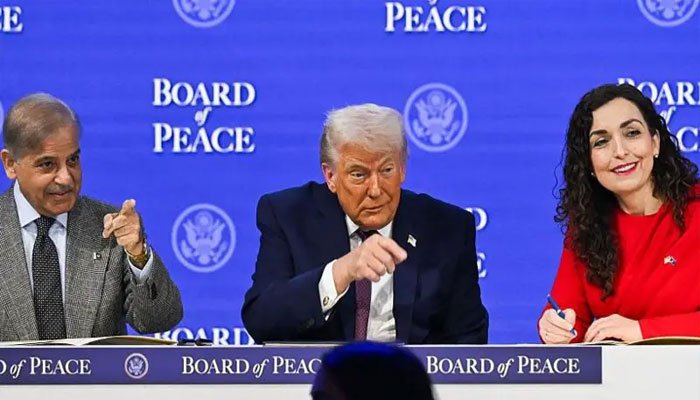
On 22 January 2026, Pakistani Prime Minister Shehbaz Sharif attended the official “Board of Peace” ceremony in Davos, where Trump was present, alongside Pakistan’s Army Chief, Field Marshal Syed Asim Munir. Photos of Trump and Sharif signing documents at the event went viral, reflecting a warmer engagement. While India was invited to join the board, the Modi government has yet to respond.
US-India relations hit a new low after President Donald Trump canceled his scheduled visit to New Delhi for the Quad Summit in August 2025.
Background of US-India Tensions
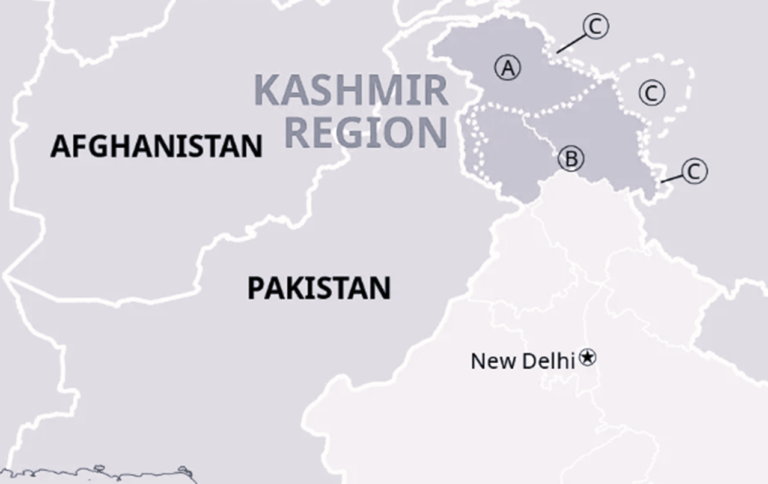
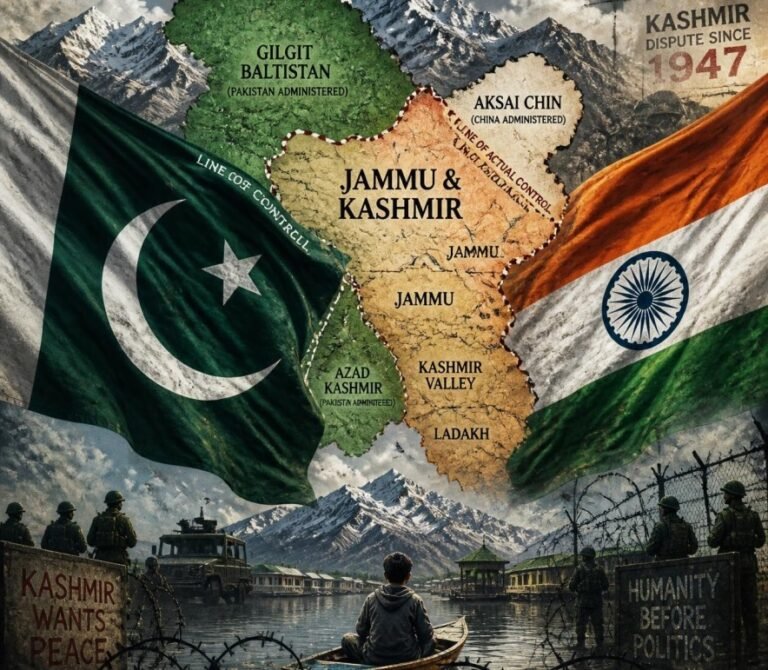
Relations between India and the US began to sour after Trump imposed additional tariffs on Indian goods in 2025, followed by a dispute between India and Pakistan in May 2025. Experts suggest that Islamabad leveraged these tensions to improve its ties with Washington, which had cooled during Trump’s first term.
Nitin Pai, Director of the Takshashila Institution think tank, commented on social media that criticisms of India mishandling relations with Trump were misplaced. He noted that supporting the winner in global politics is a pragmatic strategy, particularly given India’s long-standing challenging trade negotiations and its principle of resisting US intervention in India-Pakistan matters.
Responding to Pai, Christopher Clary, Associate Professor of Political Science at Albany University, highlighted three key missteps by New Delhi:
- Openly celebrating Biden’s exit in 2024, which was noticed in the US.
- Extending trade negotiations unnecessarily.
- Failing to provide symbolic assurances to Trump after Operation Sandor.
Clary emphasized that the challenge lay with Trump himself, suggesting India struggled to manage a president whose unpredictability shaped global relations. He also highlighted Pakistan’s diplomatic skill in anticipating US priorities and positioning itself as a reliable partner, even if it risked short-term issues.
Pakistan’s Strategic Gains
Former National Security Advisor Moeed Yusuf noted in a September 2025 article in Foreign Affairs that Pakistan capitalized on India’s inability to fully align with US priorities in the region. Islamabad amplified Trump’s claim of mediating the May 2025 India-Pakistan dispute, even nominating him for a Nobel Prize, bolstering Pakistan’s diplomatic leverage.
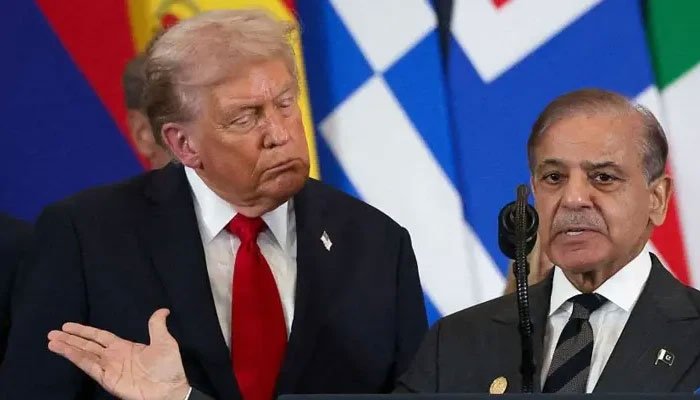
Trump’s approach also shifted US calculations in South Asia. While India was seen as central to US pressure on China, Pakistan, a China-aligned country, emerged as a strategic counterbalance. Tariffs imposed by the US on Indian goods—25% on bilateral trade and an additional 25% for oil imports from Russia—further strained New Delhi’s position.
Experts also point to Pakistan’s inclusion in Trump’s peace board for Gaza reconstruction as a sign of growing US-Pakistan engagement, a platform India has not yet joined. Former US Assistant Secretary for South and Central Asian Affairs, Nisha Biswal, remarked in November 2025 that strong US-Pakistan relations give Washington leverage over India, particularly amid China’s growing influence in Pakistan.
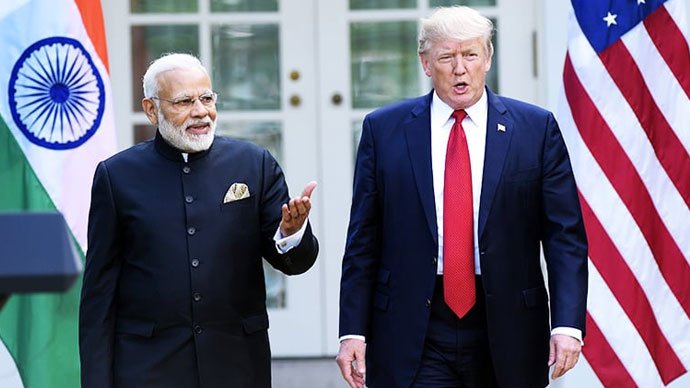
John Bolton, former US National Security Advisor, noted that while US-India relations remain strategically vital, maintaining ties with Pakistan is equally important to address regional security challenges, including countering Chinese influence and managing Taliban and Afghan-related issues.
As Trump’s second term progresses, Pakistan’s diplomatic positioning appears to be gaining momentum, while US-India ties remain tense, suggesting a reshaping of South Asian geopolitical dynamics in favor of Islamabad.