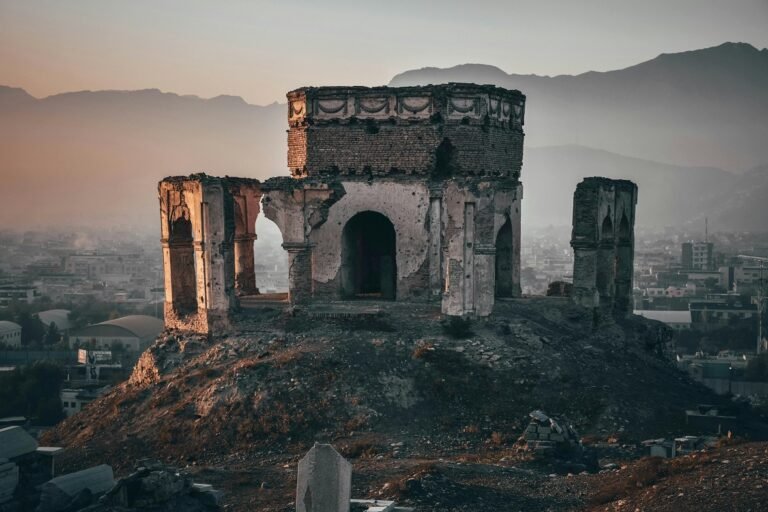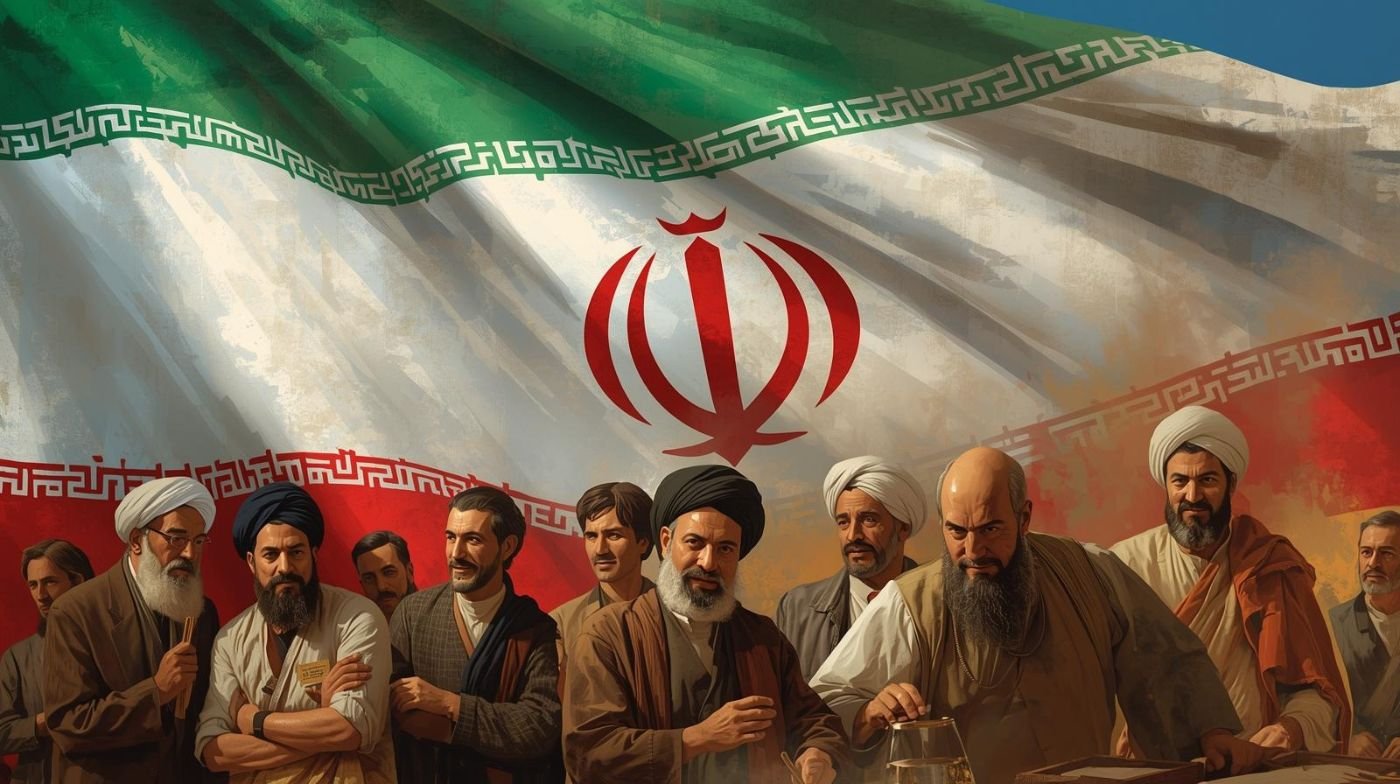
Iran at a Crossroads: Public Suffering, Anger and Uncertain Future. Iran has been living under immense pressure for years, and recent events have made the situation even more difficult. Earthquakes have struck areas already struggling with poverty and poor infrastructure, destroying homes and taking lives. For many Iranians, this disaster did not bring unity—rather, it highlighted how vulnerable people feel and how distant the government seems from their everyday struggles. While Iran has massive ballistic missile capabilities; it’s people seem dissatisfied with their government.
Instead of providing comfort in times of crisis, many citizens feel that the state’s response has been slow, weak, or even negligent. This sense of abandonment has deepened the frustration that already existed in society.
Public Anger and Lost Freedoms
Across the country, anger toward the current government continues to grow. Ordinary Iranians are tired of strict controls on speech, political participation, and personal freedoms. What began as political disagreements has become a fight for basic rights, dignity, and respect.
Youth and women have been at the forefront of protests, not just demanding change in leadership but demanding a system that values their voices. When peaceful protests are met with harsh crackdowns instead of meaningful dialogue, trust between the people and the state erodes further.
Economic Hardship and Daily Struggles
Iran’s economic crisis affects almost every family. Inflation remains high, jobs are scarce, and the national currency has lost much of its value. This means that simple necessities, like bread, medicine, and fuel, become harder to afford every day.
While ordinary people struggle, many feel that those in power continue to protect their own interests. This widening gap between the state and its citizens fuels resentment and a sense that the current system no longer works for those it claims to serve.
No Clear Alternative, Only Hard Choices
Opposition to the current government does not automatically mean agreement on what should replace it. One of the figures often mentioned by some Iranians is Reza Pahlavi, the son of Iran’s last monarch. Pahlavi lives in exile and has positioned himself as a voice of change, but his leadership is deeply controversial.
Many people worry that returning to a Pahlavi-style leadership would lead Iran toward stronger ties with the United States and Israel powers with long histories of interfering in the region’s politics. Critics fear this could weaken Iran’s independence and reduce its influence in global affairs.
Nuclear Power: A Core Concern
One of the most sensitive issues in Iran’s politics is its nuclear program, which has been a central point of tension with the West for decades. Iran’s program—especially its enrichment of uranium to high levels remains a key geopolitical conflict point and a symbol of national pride and defense.
Reza Pahlavi has publicly stated that a future government under his influence would end Iran’s military nuclear program and move the country toward cooperation with global security partners. He has promised to dismantle the nuclear weapons ambitions and align Iran more closely with international norms, including normalizing ties with the United States and recognizing Israel.
For many Iranians, this is a double-edged sword:
- On one hand, removing military nuclear ambitions might reduce international tensions and open the door for economic opportunities.
- On the other hand, opponents argue that losing nuclear capability could weaken Iran’s strategic defense and leave the country more vulnerable to outside influence, particularly from Western powers.
The Shadow of Foreign Influence
The United States’ historical involvement in Iran especially events like the 1953 coup has left deep wounds and mistrust among many Iranians. Today, any leader aligned with Western powers is often seen with suspicion by people who fear that foreign interests would take priority over national sovereignty.
If Iran were to shift toward a foreign-backed leadership that prioritizes close alliances with the U.S. and Israel, many fear that Iran’s voice in the region would weaken, and its bargaining power especially around defense and security issues like nuclear capability could be lost. It also brings Iran at a Crossroads.
Regional Consequences Beyond Iran
While we see Iran at a Crossroads. Iran’s internal crisis does not only affect its own people; it has broader implications for regional security. A weakened or transformed Iran could shift the balance of power in the Middle East and South Asia. For example, Pakistan’s security considerations could be profoundly impacted, while India may feel more confident in its place within a Western-aligned regional framework.
These possible outcomes show that Iran’s path forward is not just a domestic issue it is deeply connected to global politics and balance of power.
A Future That Must Belong to the People
Iran stands at a historic crossroads. The current government has clearly lost the trust of many citizens, and ordinary people deserve a future of freedom, security, and dignity. But embracing a leadership model closely tied to foreign powers carries its own risks. True, lasting change must come from within driven by the Iranian people themselves, not imposed by external influence.
Only a future shaped by the people’s will, grounded in independence and mutual respect, can offer real hope for a stable, prosperous, and sovereign Iran.