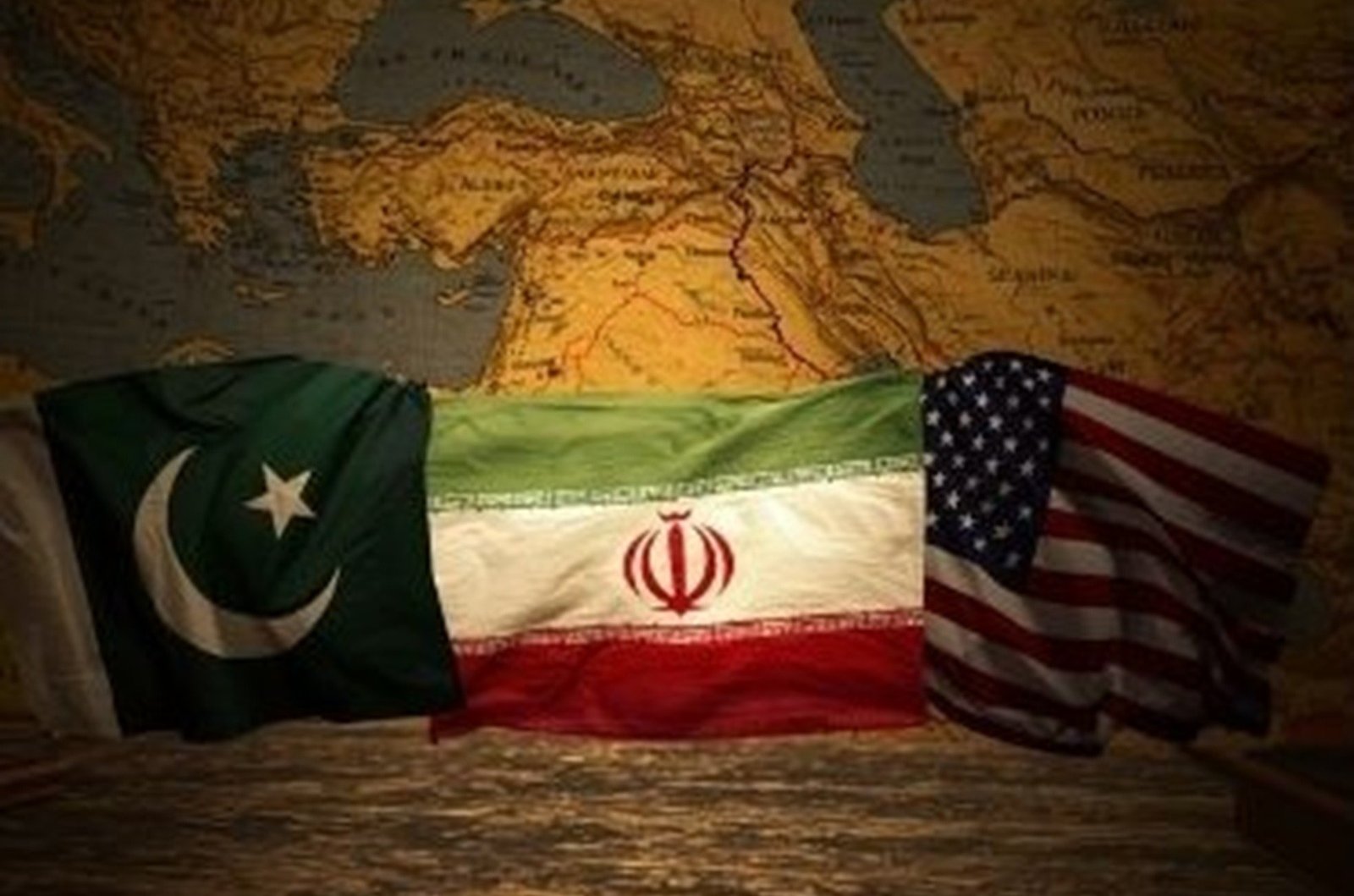
When Pakistan decided to place itself as a mediator between the United States and Iran, it is not only ambitious, but it is also heavily burdened by strategic risk. At a time when the Middle East is coming dangerously close to becoming a larger regional conflict, the fact that Islamabad tries to act as a diplomatic mediator can be viewed as both a sign of its ambitions and weaknesses in an allegedly polarized geopolitical context.
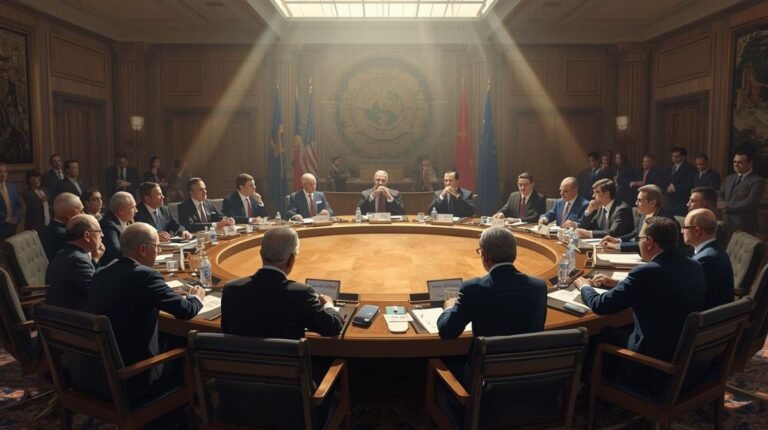
According to the latest reports, it is Pakistani and the regional governments like Turkey and Egypt that are providing indirect communication between Washington and Tehran. These contacts, though not formal talks are backchannel contacts that are discrete, deniable and politically sensitive. This sort of diplomacy is traditional in high-stakes warfare and it allows the enemy to explore possibilities without the government having to commit to them, but in the current case, it also reveals a greater incompatibility: diplomacy continues to coexist with escalation and not to replace it.
The use of airstrikes, retaliating threats, and interruptions in critical areas such as Strait of Hormuz highlight that the area is not de-escalating. Instead, it now seems to be going through a period where military confrontation and diplomatic contact are not only uneasy but also mutually exclusive; in this setting, mediation takes on a more conflict management role and not a conflict resolution role, and it is more concerned with containing escalation than eliminating it.
Diplomatic Exposure for Pakistan
To Pakistan, playing in this field gives it conspicuous diplomatic exposure. The last decades of foreign policy marked with a reactive position have seen Islamabad scramble to find a platform to assert relevance hence indicating the propensity to play a role in ensuring the stability of the world as opposed to being confined to regional interests. This interaction also conforms to the established Pakistani tradition of playing a role of mediating among rival forces.
However, the risks that may be faced by the attendant are also very high. Pakistan foreign policy has been based on a fine balance: it maintains security relationship with the United States, economic relationships with its Gulf allies and a complicated yet essential relationship with Iran. Fearing a reputation of being partisan, Islamabad is caught in a battle where these actors are involved. Perception can be just as important as intention in mediation; any apparent tilt, whether real or perceived, will lose credibility and cause any relationship that is key to be stretched.
Besides, the ability of Pakistan to impact the outcome of the conflict is limited. It does not have the economic clout or military presence that could compel parties to adhere or manipulate the strategic outcomes like major powers. Its role is limited to facilitation thus posing a question on the core, is it that Pakistan shapes the process, or it is just a channel through which they talk and ultimately the actors decide the fate of the outcome?
Structural Rivalry Between US and Iran
The situation is complicated by the fact that the US-Iran rivalry is structural in nature. It is not a confrontation that has been initiated based on instant provocations but a decades-long mistrust, ideological disagreement and regional ambitions. In the environment of this kind of context, there can be hardly breakthroughs during mediation; at most, it makes temporary stop, minimizes erroneous decisions and prevents a runaway escalation.
There is an obvious economic justification of the Pakistani involvement. The current tensions have already put the energy markets in the world into turmoil especially with the threats posed to Strait of Hormuz. Being an energy importer nation, any prolonged instability will be a direct result of increasing oil prices, inflation and financial pressure. In this respect, mediation is not a diplomatic act in itself, it is a strategic need that is intended to avert a crisis that would severely affect the domestic economy.
On the other hand, this need also highlights the weakness of Pakistan. The nation is still vulnerable to geopolitical shocks that grow out of the country but have direct domestic effects. This reliance limits the strategic independence and forces policymakers to act in response to situations that are beyond their control.
Mediation exercise by Pakistan should hence be placed in the larger context of transformation of international diplomacy. Middle powers are also in search of platforms in conflict management not because they have decisive influence, but because disengagement can give even diminutive leverage. In a fragmented international system, participation, even in uncertain processes, is one of the means of remaining relevant.
Most Complex Geopolitical Crises
Relevance, however, involves responsibility and danger. The imposition of Pakistan in one of the most complex geopolitical crises of the present-day world requires careful tuning. The country needs to make sure that its foreign activities do not escalate into the realm of strategic entanglement, maintain a non-involvement without sounding passive and engage without jeopardizing the overall foreign-policy balance.
Finally, the mediation process of the US and Iran war by Pakistan is an exercise of tension between ambition and constraint that is inherent in it. It aims at being recognized as a positive actor and player of international relations operating within its own set parameters. The practice of diplomacy in itself is not necessarily difficult but rather it is the challenge to engage in it without straining the strategic capabilities.
With war and negotiation taking place at the same time in the same location, the mediation effort by Pakistan is not only an opportunity but also a litmus test- not only of the diplomatic ability of Pakistan, but also the strategic acumen and even the ability to operate within a narrow margin of error.