
Spring Skincare Tips: Here’s How to Combat Dryness! As the seasons change, not only do temperatures change, but so do the skin’s needs. After the cold winter months, the skin enters a transitional phase during spring where it becomes more prone to dryness and loss of balance. This change is not limited to any particular skin type or specific group, but can affect everyone, regardless of age or gender. Thus, healthy skin requires all the more efforts.
Recent studies show that seasonal changes, especially the fluctuations in humidity and temperature in spring, directly affect the skin’s barrier and its ability to retain water. When this barrier’s efficiency decreases, the skin’s natural moisture is more likely to be lost, which affects the appearance and feel of the skin. Thus, it is not enough to simply rely on a haphazard routine, but rather to adopt a balanced approach that combines natural care with a scientific understanding of the skin’s needs during this season.
1. Rebuilding the skin barrier

The real secret to skin’s suppleness lies not only in increasing moisture but also in preventing it from being lost. This is done by caring for and protecting this skin barrier, which acts as a shield and locks moisture in. Experts recommend using plant oils that are rich in natural skin-derived oils. These include jojoba oil, which acts as a natural lubricant, and almond oil, which provides instant elasticity. These oils can be massaged into the skin several times a week after your evening bath.
2. Choosing moisturizing ingredients

Products containing honey extract and aloe vera gel provide deep hydration without weighing down the skin in mild weather. Honey is not just a household ingredient, but an effective substance that has proven its ability to retain moisture and improve skin texture. As for aloe vera, it is an excellent choice for reducing dryness and redness at the same time. Regular use of these ingredients gives the skin a natural healthy glow.
3. Hydration is not just about drinking water

Despite the importance of drinking water for general health, its direct effect on the skin is limited. The water we drink does not automatically reach the outer layer of the skin. A smart approach in this field depends on internal hydration through drinking water and eating fruits and vegetables, and external hydration through the use of serums and creams.
4. Use of omega acids
Essential fatty acids, especially omega-3, play an important role in strengthening skin cells and reducing inflammation. In this regard, moisturizing creams rich in “argan oil” can be used, which is called “liquid gold” due to its numerous benefits. In addition, regular use of flax seeds helps improve skin elasticity.
5. Avoid harsh cleansing

Over-cleansing is one of the biggest enemies of dry skin because every use of skin cleansing products that contain harsh ingredients removes a portion of the natural oils that protect the skin. In this case, it is advisable to choose a gentle cleanser that is sulfate-free and limit cleansing to just once, morning and evening. If your skin feels tight after cleansing, it means that the product you are using is too harsh.
6. Timing is everything
The timing of moisturizing is a very important factor in its effectiveness. Applying oil or moisturizer immediately after bathing, when the skin is slightly damp, helps to bind water into its inner layers. This simple step can double the effectiveness of any product used.
7. Environment makes a difference

Despite mild weather, exposure to dry air or AC can cause sudden dryness. Studies show that low humidity in the air increases water loss through the skin. So using a humidifier or spraying rose water during the day is a smart step to help maintain skin balance.
Dry skin in the spring doesn’t require complicated solutions as much as a deep understanding of its changing nature. Following a skincare routine that suits it not only improves its moisture levels but also enhances its ability to support the skin barrier and adapt to external factors. Over time, these simple steps add up to an effective routine that is clearly reflected in the skin’s softness and radiance.
Caution Needed When Using Face Wash Soap!
Using soap causes dirt and germs to stick to it. Health experts say that before using soap, face wash or liquid soap on the face, it is usually applied to the hands, as a result of which all the dirt on the hands also gets on the liquid of soap or face wash etc. When that germ-laden hand touches the face or face, the sensitive skin of the face is at risk of infection.
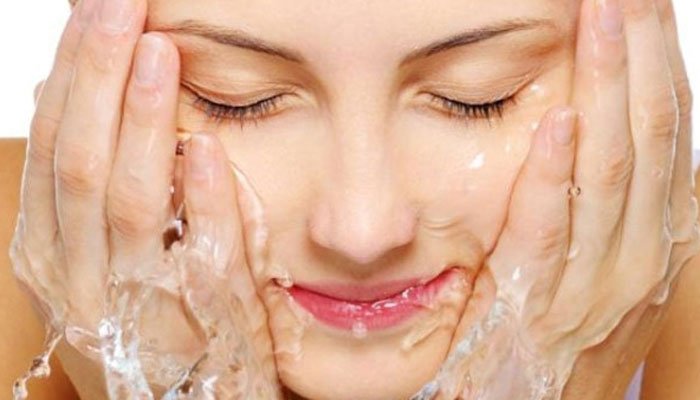
Teenage girls have very sensitive skin. They also have acne on their face, which makes their face even more sensitive. Therefore, experts advise that mothers take special care of protecting their own and their daughters’ faces. Since children’s skin is also very sensitive, they should also use soap, liquid soap or face wash that is free of bleach to wash their face and bathe. Use baby soap, beauty soap or soap that has a PH balance of less than 14.
To maintain facial moisture, spray rose water or plain water on the face frequently. Splash your face with plain water three or four times a day or use glycerin and rose water soap morning and evening. Experts also say that girls or women who have acne on their face or whose skin is sensitive, oily or dry should never use any soap, face wash, beauty soap, whitening soap, etc. on their face without consulting a skin specialist. Never use any soap on your face after being inspired by advertisements, seeing the clean and transparent faces of friends, or on the advice of friends, otherwise it may do more harm than good.
Further Precautions for your Face
Before applying any soap to your face, wash your hands with hand soap. Then apply a special soap for the face to your hands and apply it to your face. Try to keep hand and face soaps separate. Before washing your face, always wash your hands with hand soap first and then clean your face.
Women should choose face wash products, especially soap, very carefully. Do not use the same type or brand of soap for a long time. It is better for all members of the household to use their own soap or for each person to ensure that they wash it thoroughly after using it and keep it in a mesh soap dish after drying it.
It is better for women, especially young girls, to use high-quality face washes or face washes made from natural ingredients. These are besan, rose water, turmeric, glycerin, lemon, almond, olive, honey, cucumber, aloe vera, etc. or their ingredients instead of using various soaps for the beauty of the face. Do not use anti-allergy face washes more than twice, otherwise it can also cause allergies or infections because it contains salicylic acid, sulfur tar, and zinc, etc.
Any one of these ingredients can affect the skin of the face. Do not use soaps used for sensitive and infected skin more than twice a day. It is important to use them sparingly or in moderation. According to skin disease experts, using beauty soaps, anti-allergy soaps, medicated soaps, etc. throughout the day to achieve quick results or to keep the face clean and clear deprives the skin of moisture, dries and dulls it and damages it.
Managing Infections or Harm
In the presence of any type of infection on the face, do not use anything without the advice of a skin specialist, otherwise irreparable harm may occur instead of benefit. Use authentic soaps from quality companies to avoid allergies, infections, acne, etc. If desired, grind only the dry peels of besan, Multani mitti, lemon, orange, and quinoa and clean your face with it, wash and boil neem or berry thoroughly and wash your face with its water morning and evening.
Until some time ago, whitening creams were common, now whitening soaps have also become common. But the truth of this claim is that in addition to bleach, ingredients are also added to skin whitening soaps that remove dead skin cells and particles from the upper surface of the skin, which makes the skin feel clean and radiant, and the viewer and user consider it a miracle of soap. Since this process is done daily, the skin does not look dirty, dull and damaged, but in fact it becomes thinner from the inside and as soon as the use of this soap is reduced or stopped, the skin starts looking worse than before.
Stop Temporary Fair Complexion
So, stop trying to achieve a temporary fair complexion and use such indigenous recipes that are not harmful. Natural products can also be used that keep you healthy internally and enhance your beauty from the outside. Old women advise drinking mint and soy water to achieve whiteness. It is recommended to use cucumber, lemon, quinoa peels and juice to whiten the face.
To get rid of acne, lemon juice is added to stale water and drunk. Washing with besan, milk and lemon juice also brightens the skin. If onion juice is applied to the spots visible on the face, the spots disappear. Acne appears on the face due to constipation, so teenage girls should not be constipated at all, eat papaya and grind its pulp or peel and use it on the face. To clean the face and hands, grind lemon or cane peels, add besan, barley flour to it and mix glycerin and use it as soap. To maintain moisture on the face, keep spraying rose water or plain water. Drink water frequently yourself, wash your face with ubtan once a week to keep it clean.