The effect of natural calamities on national security of Pakistan is complex and prolonged which requires attentive response.
Geographically, climatically and infrastructurally Pakistan is one of the most disaster-prone countries in the world. Floods, earthquakes, droughts, heatwaves, landslides and glacial melting are common hazards in various parts of the country. Natural disasters were viewed traditionally as environmental or humanitarian problems, but these are now becoming serious challenges to national security in the modern era.
In Pakistan, natural disasters are not only responsible for the loss of life and property, but they also have a negative impact on the economy, economic infrastructure, political instability, and human security. Thus, the effect of natural calamities on national security of Pakistan is complex and prolonged.
Economic instability is one of the biggest impacts of natural disasters. Agriculture plays a significant role in Pakistan’s economy and is a major source of employment and income. Crops, livestock, irrigation systems and agricultural land are destroyed during floods and droughts, which leads to a decrease in food production and poverty.
The 2025 floods affected nearly all major provinces in Pakistan. The 2022 floods also resulted in high economic losses, displacing millions of people, affecting roads, bridges, schools and hospitals throughout the Country. The destruction has a significant impact on the national economy, as the government needs to allocate significant resources for relief, rehabilitation and reconstruction.
With fewer economic resources available, the state has trouble sustaining its development projects, defense budget and public welfare programs. In the end, when the economy gets weak, the state is unable to look into national security with the same vigilance.
Human Security Amid Humanitarian Crisis
Humanitarian crises are also a direct consequence of natural disasters and have an impact on human security. Human security is the security people need to be protected against hunger, disease, poverty and violence. In the event of a disaster, people lose their homes, clean water sources, healthcare facilities and source of income. Major population movements result in IDPs living in temporary housing in precarious conditions.
The disaster-response mechanisms in Pakistan are sluggish, poorly managed, and create environment of dissatisfaction and distrust among people and government agencies. Disasters exacerbate social conditions by causing the transmission of diseases, food insecurity and unemployment. In the absence of trust in the government’s capacity to safeguard them, the nation’s stability is reduced.
One of the other sever consequences of natural calamity is the vulnerability of internal security and social stability. During a disaster, law enforcement agencies may find it difficult to keep the peace and order, with infrastructure and communication systems being affected. Social tension and conflict may result from competition for scarce resources including food, water and shelter, within communities.
There may also be an increased incidence of crimes like theft, smuggling or black-marketing during emergencies. Extremist groups can take advantage of the plight of the people in vulnerable areas in order to gain influence through financial assistance and relief. This undermines the state authority and also poses further security issues to Pakistan.
Water Insecurity: A National Security Threat
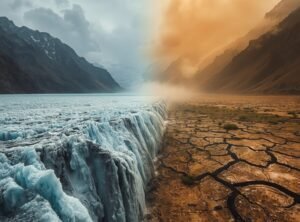
In Pakistan, natural disasters have become more frequent and are increasingly severe due to climate change. Glaciers are melting faster in the north, which is likely to heighten the chance of floods and water-related disasters. Meanwhile, an irregular rainfall pattern and extended dry spells have led to severe water shortages. Water insecurity is becoming a national security threat due to its impacts on agriculture, energy production and people’s lives.
Increasing scarcity of water may also lead to inter-provincial disputes and social unrest. In addition, climate-induced migration from rural to urban areas puts strain on already under-resourced urban areas, which are already facing challenges of unemployment, overcrowding and poor public services.
The loss of critical infrastructure during an emergency also has a negative impact on national security. Governance, trade, and military activity are dependent on roads, bridges, airports, dams, electricity networks and communication systems. Transportation and emergency-response efforts are challenging when disasters destroy such infrastructure. Power facilities damaged by energy shortages affect industries and economic activities. During emergency situations, weak infrastructure hinders the efficiency of civilian institutions and security forces. So, the protection of infrastructure against nature disaster is essential to maintain the stability and security of the state.
Natural disasters also have an impact on Pakistan’s external security environment. Foreign assistance and international financial support are also often provided to Pakistan during major disasters for relief and rehabilitation. While external support is crucial, relying too heavily on such external assistance can create economic fragility. Climate change, water shortages and other environmental issues can also cause conflict with neighboring nations down the road. This indicates that natural disasters are local phenomena and also have regional and international security implications.
Disaster Management and National Security
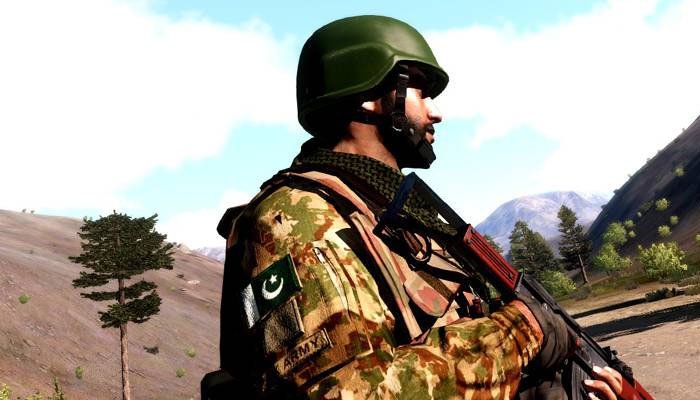
The close relationship between disaster management and national security is reflected in the role of armed forces in disasters. The military is often seen involved in rescue and rehabilitation operations in Pakistan as well as distribution of relief materials. The armed forces are generally more effective than civilian institutions, owing to their improved organization and resources.
But Pakistan’s reliance on military is an indicator of the failure of the country’s disaster-management system. Institutional strengthening like strengthening the National Disaster Management Authority (NDMA) is required for enhancing preparedness and mitigation of future risk.
Finally, it can be concluded that the natural calamities have turned into a serious challenge for national security of Pakistan. They do not only cause environmental damage, but also have an impact on the economy, governance, infrastructure, social stability and human security. These problems are further worsened by climate change and thus disaster management importance is greater than ever before.
To mitigate future disaster risks, Pakistan needs to adapt to being disaster-ready, build disaster-resilient institutions, invest in disaster-resilient infrastructure, and take steps to implement disaster adaptation policies. Effective response and management of natural disasters is crucial for the long-term stability, development and security of the nation.