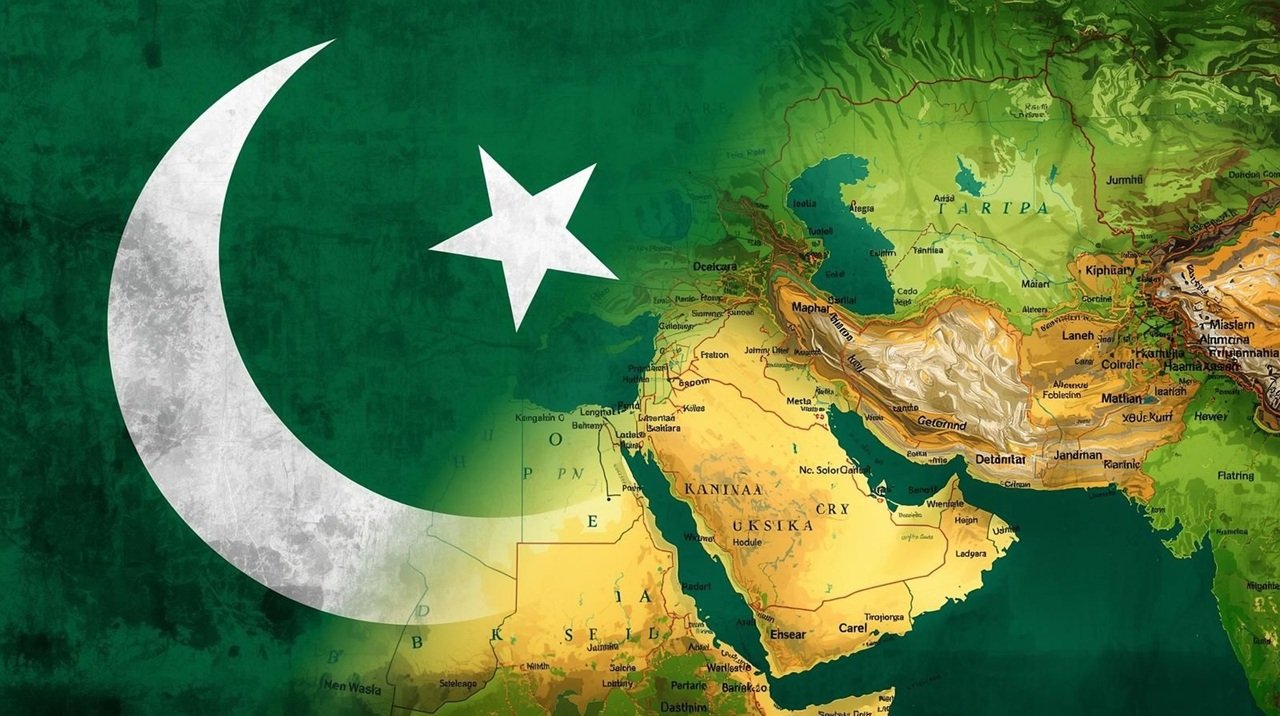
Can Pakistan afford to stand by its longstanding position, or will it eventually be coaxed into joining the Abraham Accords, as the geopolitical winds shift in its direction?
Board of Peace is a Subtle Trap Leading Pakistan Toward the Abraham Accords. In a world where geopolitics increasingly thrives on pragmatic alliances rather than ideological consistency, Pakistan stands at a pivotal juncture on joining the Board of Peace. A crossroads where its traditional foreign policy is being subtly nudged toward a new reality. The Abraham Accords, a landmark diplomatic agreement that normalized relations between Israel and several Arab nations in 2020, have reshaped the Middle East.
This agreement, marked by pragmatic cooperation between Israel, the UAE, Bahrain, Morocco, and Sudan, has triggered far-reaching implications, with global and regional powers reconsidering their stances. As Pakistan watches these developments, it finds itself at the heart of a growing diplomatic pressure to reassess its foreign policy, which has historically prioritized support for Palestine. Can Pakistan afford to stand by its longstanding position, or will it eventually be coaxed into joining the Abraham Accords, as the geopolitical winds shift in its direction?
For decades, Pakistan has staunchly opposed the recognition of Israel, basing its foreign policy on an unwavering commitment to Palestinian sovereignty. This position, rooted in ideological and religious principles, has defined Pakistan’s stance in the Middle East.
Diplomatic Engagement with Israel
While countries across the world have moved toward diplomatic engagement with Israel, Pakistan has maintained its support for Palestine as a cornerstone of its foreign policy. However, with the rise of the Abraham Accords, the region’s geopolitical environment has changed dramatically, putting pressure on Pakistan to reconsider its stance. As Israel and Arab countries increasingly engage with one another, Pakistan’s traditional policy faces growing isolation, both regionally and globally. The question now arises: Will Pakistan hold onto its values, or will it, perhaps unknowingly, be drawn into a diplomatic evolution?
The Abraham Accords have not just altered the relations between Israel and its immediate Arab neighbors but have created an entirely new regional framework. Countries like the UAE, Bahrain, and Morocco have aligned themselves with Israel, defying decades of animosity. What began as a diplomatic shift in the Arab world has now become a broader geopolitical realignment, one that Pakistan can no longer ignore. As the Gulf countries embrace Israel, they signal a departure from traditional alignments and a shift toward pragmatic cooperation, driven by economic interests, technological exchange, and regional security concerns.
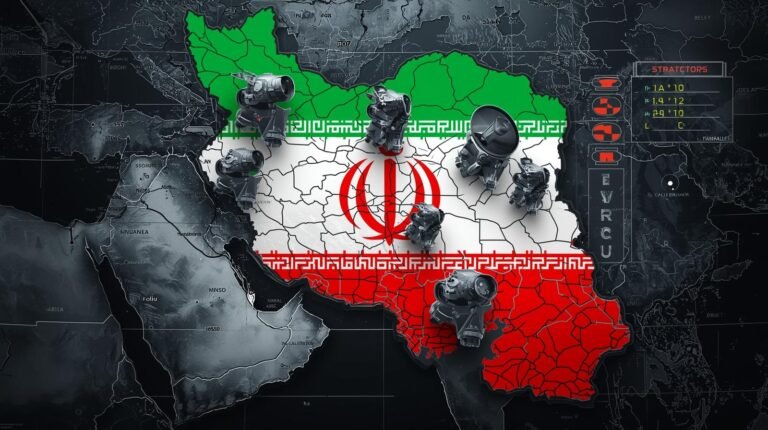
For Pakistan, the growing diplomatic weight of these developments is palpable. Pakistan faces the growing influence of the United States, which has long pushed for stronger ties between Pakistan and Israel. The U.S., viewing Israel as a key ally in the region, sees Pakistan’s potential alignment with Israel as a crucial strategic move, especially as both countries share concerns about Iran’s growing influence.
Maintaining Historical Alliances vs Rising Pressure from the West
Moreover, the Gulf states, particularly the UAE and Saudi Arabia, whose relations with Israel are evolving rapidly, are likely to expect Pakistan to recalibrate its stance. Pakistan finds itself increasingly caught between maintaining historical alliances with the Gulf and Iran and the rising pressure from Washington and its regional partners to abandon its ideological position in favor of regional stability and economic growth.
The economic and technological opportunities presented by Israel are another compelling factor that might draw Pakistan into the Abraham Accords. Israel is one of the world’s leading innovators in cybersecurity, water management, agriculture, and military defense. Pakistan faces significant challenges in these areas, particularly with regard to its ongoing water crisis and the need for technological advancement in cybersecurity and defense.
Collaboration with Israel could provide Pakistan with critical solutions to these challenges. Moreover, Israeli expertise in counterterrorism and military technology could significantly enhance Pakistan’s security capabilities, especially as both countries confront common threats in the region. Economic cooperation could also open new trade channels and foster collaboration in high-tech industries, potentially boosting Pakistan’s economy.
Pakistan Under Pressure of the Board of Peace
Yet perhaps the most subtle force driving Pakistan toward the Abraham Accords is the diplomatic pressure exerted by the Board of Peace, a framework that encourages peacebuilding in the Middle East. While Pakistan has historically refused to recognize Israel, its participation in international peace initiatives, such as the Board of Peace, could set the stage for future cooperation. Pakistan’s involvement in such forums, which already include Israel as a key participant, offers a unique opportunity to break the ice diplomatically.
By sharing a stage with Israel at peacebuilding events, Pakistan could open the door to dialogue, gradually building trust and fostering conditions that could eventually lead to a formal recognition of Israel. This subtle process of engagement, beginning with shared discussions on regional stability, might eventually push Pakistan to reconsider its position on the Abraham Accords.
This diplomatic shift would be framed as an alignment with the broader Middle Eastern trend, wherein pragmatic diplomacy is preferred over ideological divides. If Pakistan continues to engage with Israel through peacebuilding mechanisms like the Board of Peace, it risks becoming increasingly entrenched in a diplomatic process that inevitably leads to recognition.
The Abraham Accords would then appear as a natural next step in Pakistan’s foreign policy evolution. Despite ideological reservations, the combination of economic, security, and diplomatic incentives could make it increasingly difficult for Pakistan to resist joining the Accords. Once the groundwork is laid through diplomatic engagement, the final transition to full normalization could become inevitable.
Pakistan and the Abraham Accords
The risks associated with this gradual shift are substantial. If Pakistan aligns with the Abraham Accords, it could face backlash not only from its traditional allies in the Muslim world, particularly Iran, but also from Palestinian advocacy groups within its own borders. Pakistan’s leadership would risk losing its moral high ground, which has long been rooted in support for Palestinian sovereignty.
The erosion of this ideological commitment could tarnish Pakistan’s image in the broader Muslim world and provoke significant public opposition from domestic political forces. Additionally, Pakistan’s longstanding relations with China, which have supported Palestinian causes and maintain a complex relationship with Israel, could be jeopardized by further diplomatic alignment with Israel.
In the End, Pakistan stands at a crossroads in its foreign policy. The pressure to join the Abraham Accords, whether through diplomatic engagement or the subtle influence of participating in forums like the Board of Peace, is undeniable. While the economic and strategic benefits of cooperation with Israel are clear, Pakistan must weigh the long-term consequences of abandoning its ideological commitment to Palestine.
The country’s future foreign policy will hinge on its ability to balance pragmatic diplomacy with its ideological principles. Only time will tell whether Pakistan can navigate this complex issue without losing sight of its values and maintaining its standing as a leader in the Muslim world. Thus, Board of Peace is a Subtle Trap Leading Pakistan Toward the Abraham Accords.