Zeinab Al Saffar believes that the United States and Israel have failed to dominate the region during the present escalation with Iran.
Who has the Upper Hand in Iran War? It matters as the world’s sole superpower is fighting a major war. However, the sole superpower is also requesting other countries to join the war. More interestingly, most of the countries around the world have refused to join this war. Thus, it shows that the America-Israel alliance is unable to gain any significant outcome out of this sheer desperation to attack Iran.
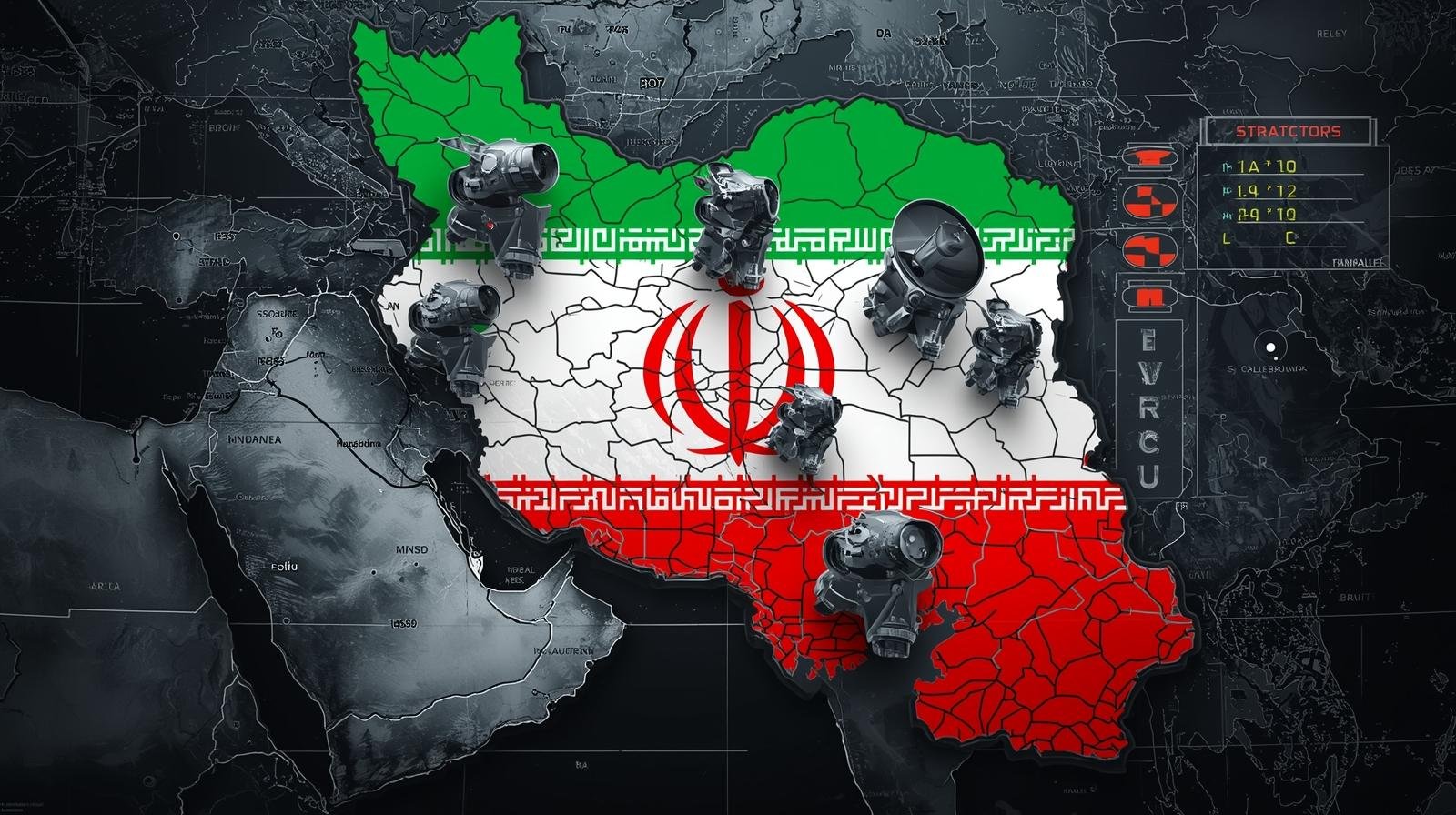
The world’s most advanced military strikes a country armed with “obsolete” weapons, yet fails to dominate. Why it Matters? During the first 72 hours, the United States and Israel launched coordinated strikes intended to impose “strategic shock.” Iran responded within hours — not chaotically, but across multiple domains. As Operation True Promise 4 comes in, we see significant outcomes.
In this, the command continuity was clearly visible. Moreover, the operational systems remained active. Interestingly, the Iranian targets expanded rapidly:
- Israeli territory
- U.S. regional bases and strategic assets
- Pressure around the Strait of Hormuz
The operational pattern revealed a troubling asymmetry. Missile saturation overwhelmed layered air defenses. Drone–missile combinations created defensive complexity that billion-dollar systems struggled to manage.
Forward U.S. bases — once pillars of deterrence — suddenly looked exposed. Fixed installations became targets rather than shields.
Air superiority alone no longer guarantees dominance. The deeper lesson is economic: interception costs are rising far faster than the cost of producing missiles and drones.
Meanwhile, disruption near the Strait of Hormuz triggered immediate tremors across global energy markets.
Bottom Line: After spending trillions on air dominance and regional bases, Washington now confronts an uncomfortable equation.
Low-cost missiles and drones can threaten those bases — and destabilize global energy markets — in a matter of days.
Which raises the strategic question: If asymmetric retaliation can shake both military infrastructure and the global economy within seventy-two hours; who truly holds the upper hand?