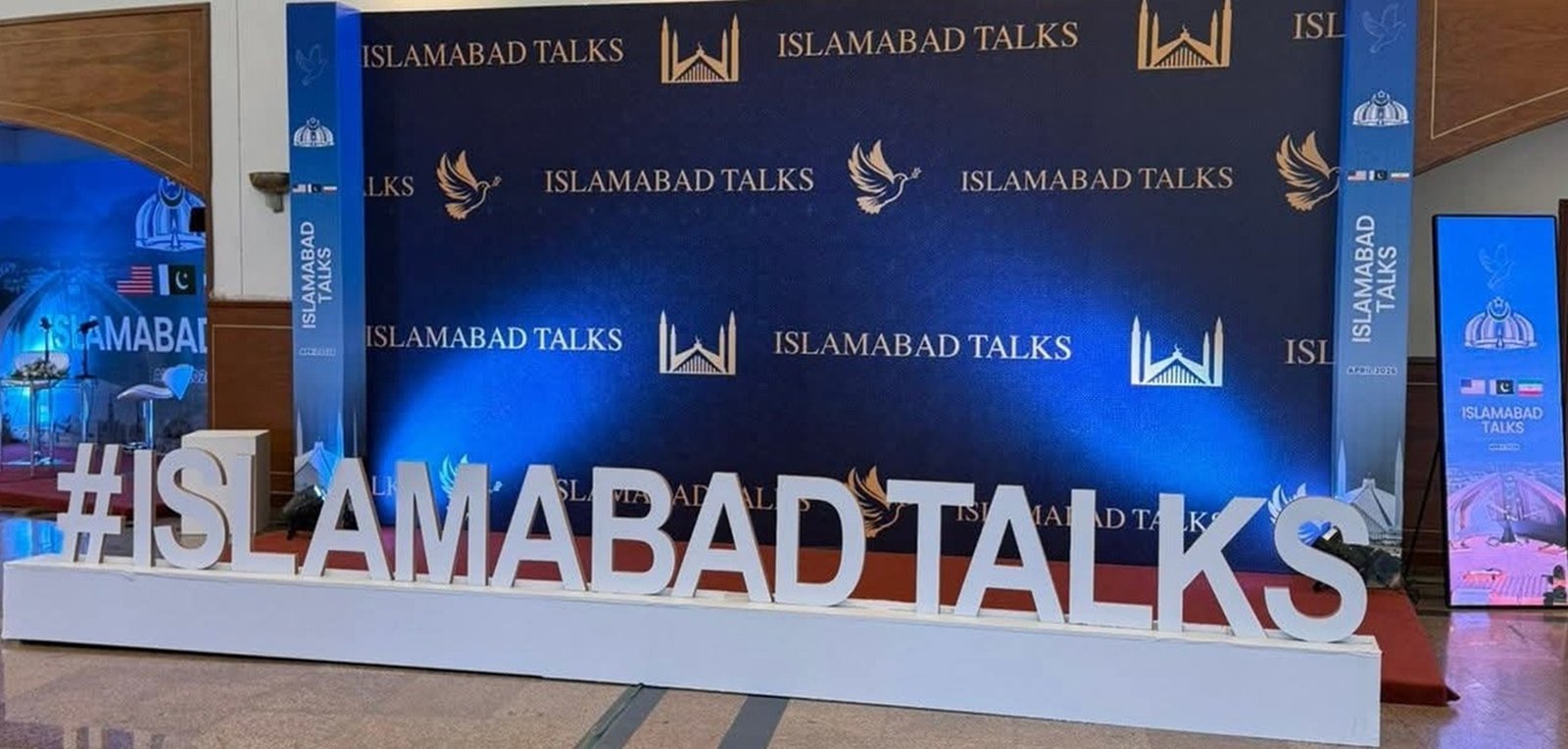
The high stakes Islamabad Talks involves several complex discussions in a heated environment which can further exacerbate the global situation in case the parties fail to resolve this dispute.
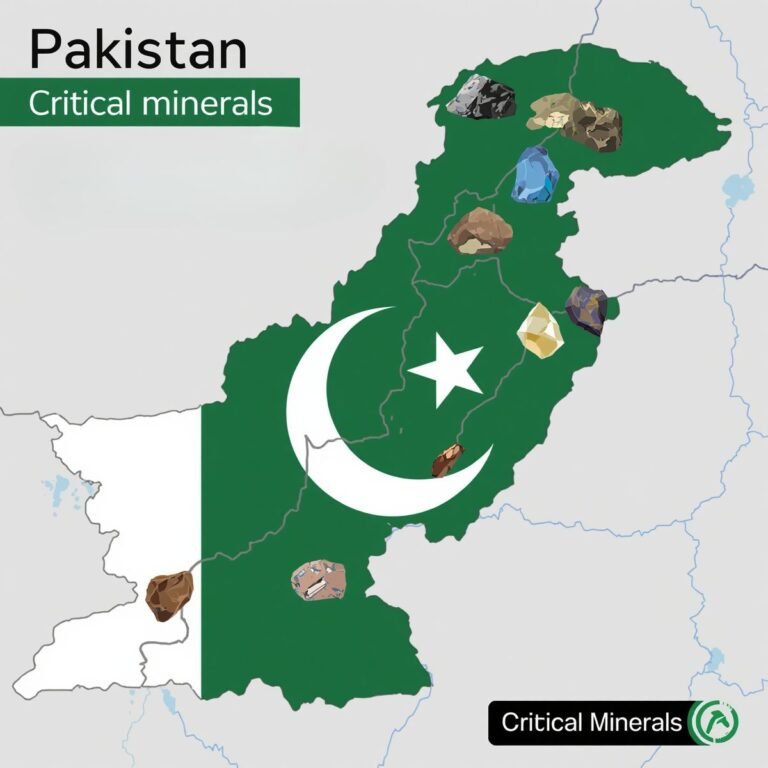
Islamabad Talks holds high importance owing to the current global situation and everyone is looking at the likely outcome. Although, Islamabad wanted to be highlighted for Pakistani potential in critical minerals. Instead, Pakistan is hosting the leadership of United States and Iran as well as delegates from Middle East and China for direct negotiations on ending the Iran war. However, the ceasefire was disrupted before the talks could begin officially. Yesterday, the Lebanon was attacked like never before. Within 10 minutes, 100 plus targets were hit in Lebanon. The Israeli strikes were unprecedented. To some extent, it was much larger aggression than what we saw in Israel doing in Gaza even.
At the same time, there was a complete shock on the Indian side. While Indian government has avoided praising Pakistan for its larger role in the talks. Indian media was seen shouting and crazy talking on live shows. They showed again that they needed schooling for managing reporting. The official response was cold, clearly, for Pakistan’s such a huge role in calming down the situation around the world. For Indians, it seems, praising Pakistan could be a bigger crime than bearing harsh economic challenges. Apparently, they chose to stand on the side and look at the developments while also hoping for an outcome which does not benefit the world. Even, if it downsides their own economy.
Moreover, Indian-Israeli nexus is not any secret. So, they are looking to sabotage these talks through any means. However, India was shown its place during the India-Pakistan conflict in May 2025. At the same time, the Afghan side is also managed after Operation Ghazab lil Haq against Afghanistan. However, the stakes are very high for all parties and thus Islamabad Talks remain a serious concern around the world.
Ideation of Islamabad Talks
United States began a war which it could have easily avoided. There is a view that Israel was able to bring America into this war. However, the overall circumstances turned differently after the war began. Iran’s Supreme Leader was killed on the first day of attack. The Strait of Hormuz was blocked, the global oil production dropped, economies collapsed and the Iranian regime stayed in its place. Although, there was a complete blackout to cover the damages in gulf countries, Israel and US bases in the region.
Still, Iran claimed to hit US personnel at a large scale. The US F-35 fighter jet was hit by Iran. Moreover, the data centers and internet apparatus was being affected. The AI network was in process of collapsing with supply chain constraints. Thus, a war which was being fought with technology was facing serious capacity issues. On the other hand, there were claims of international war crimes in Iran. The international community was pleading Trump Administration to keep the world order intact.
At the same time, the US was deeply embroiled in this war. President Trump had threatened unprecedented attack on US that would target several civilian areas including power plants and bridges. The Iranian side also remained adamant in blocking Strait of Hormuz. Thus, Islamabad came up along with Egypt, Turkey, Saudi Arabia and China for managing this global crisis. Pakistan led the process owing to its close relationship with both the United States and Iran.
While there are opposing claims from both sides on who requested Islamabad. It remains a fact that Islamabad was convincing both its partners to end this conflict. Pakistan brought its goodwill and it was accepted after both sides understood their limitations. Thus, the talks were planned in Islamabad on Saturday, April 11, 2026.
Who is coming to Islamabad Talks?
Islamabad Talks will determine various global geopolitical actions and thus there is an increasing interest from all major countries to participate in it. At present, the Vice President JD Vance is leading the US team. He will be assisted by Special Envoy to the Middle East Steve Witkoff and Senior Advisor the US President and his son-in-law Jared Kushner. On the Iranian side, President Masoud Pezeshkian will lead the talks whereas the National Security Advisor and IRGC Head will be assisting him during the talks.
Interestingly, there are some Middle East leaders who will also be joining these talks. Some independent observers claimed that the world may be surprised by the participation of a key figure. It can be attributed to either of the two: President Trump himself or Prince Muhammad Bin Salman. Another claim adds Foreign Minister of China who may come up with the security guarantees for Iran.
Yet, the representatives of several countries will also be included in the official talks to ensure widespread acceptance and ownership of the process. Moreover, the delegations include representatives from European Union & Gulf Cooperation Council. At the same time, the representation of SAARC is nowhere in the Islamabad Talks. The analysts claim that Indian sabotaging of the regional forum has made it a useless body. Previously, the organization had stakes in all affairs of the region.
What Are The American Stakes?
For America, the entire scenario is troublesome. If it withdraws, it has much to lose including its symbol as sole global superpower. However, the current ground realities do not offer much space in terms of fighting. On the other hand, the diplomacy may provide some cover up to protect the global order.
The acceptance of Iranian demands could bring political backlash within America for Trump administration. The attacks on Iranian civilians will bring about more backlash from international community. Thus, United States is in a serious fix on this matter.
Yet, it can absolve itself with some serious overtures to Iran be finding a middle solution. The high level delegation holds all power to come up with some serious dialogue in resolving this dispute.
Iranian Stakes in Islamabad Talks
For Iranians, the Islamabad Talks offer a much needed breathing space. The was is on ceasefire. Iran is not under attack. It is able to manage the situation through diplomatic means. Moreover, it can come back stronger in terms of getting some concessions in form of removal of sanctions and using its oil for trade. Interestingly, the war has made the Strait of Hormuz as a property of Iran. The Talks may result in some leverage for Iran to implement the toll on moving ships in the Strait.
However, the things may move upside down in case these talks fail. It can result in a huge backlash if Iran keeps adamant on the points where its negotiating partners differ.
Controversies Around Islamabad Talks
The controversies began on the very first day of the ceasefire. A leading number of analysts believe that the ceasefire is just a technical play around for the US and Israel to gain some time, restrengthen their forces, coordinate technical mechanisms and attack more strongly. However, it is not as easy as we speak. The Islamabad Talks are happening with strong backing of all global actors. It includes China, Russia, Turkey, Egypt, Saudi Arabia and the European Union. Any unlikely move may turn all these parties standing against the US interests in the region. Thus, it seems an option far off the table.
However, the situation could be very delicate in case of failure of Islamabad Talks. It could result in immediate escalation leading to involvement of these parties in the conflict.
Likely Outcomes of Islamabad Talks
For now, one can hope for the best to happen. However, let us see the discussion points. US wants Iran to stop uranium enrichment, end its ballistic missiles program, stop supporting groups in the Middle East and open the Strait of Hormuz. The Iranians want US to get out of gulf region, remove sanctions and stop supporting Israel. All of these demands are inherently clashing to each other. Thus, the Talks may turn into a longer than usual format where it may take up to two to three weeks and several meetings before a formal conclusion.
Therefore, the outcomes for Islamabad Talks remain questionable owing to the current standing of each party. For instance, any agreement could attract strong backlash in various ways, especially for the United States. For instance, US cannot take Strait of Hormuz away from Iran. It was open before the war. It closed once the war started. In case, Iran implements a toll on it, US may face criticism for beginning a war and ending up giving away the Strait of Hormuz completely in control of Iran.
Iran has already claimed that it is not planning to build a nuclear bomb. It wants to use uranium enrichment for civilian purposes. US has limited opportunity to block it completely. Similarly, Iran will never agree on ending its ballistic missiles or drone programs. It would be quiet idiotic to think Iran will announce it doesn’t support Hezbollah or Hamas after these talks. On the other hand, how can we expect United States to withdraw its support to Israel. Thus, it seems to be situation of delay only. The opportunity for this window remains very small.
However, Islamabad Talks can convert into a change in geopolitical situation as well. In an honest view, this war is more of an ego problem from the very beginning of it. The parties may have to accept some political or imagery damage to control the emotional, high charged environment. Through this, the likely outcome of Islamabad Talks could be a welcoming step for global diplomacy and turn it into a precedent for conflict resolution in future.