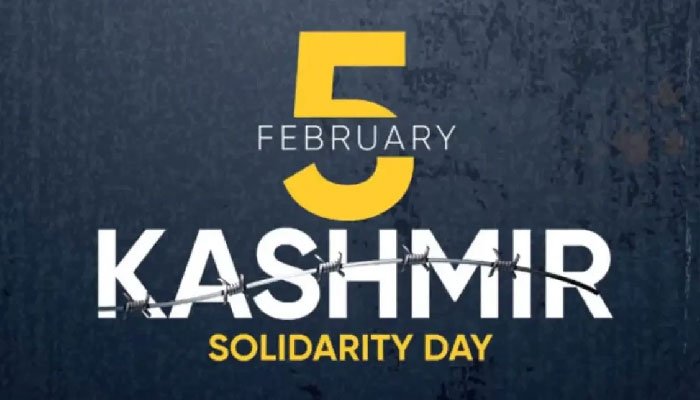
Kashmir Solidarity Day is observed every year on February 5 in Pakistan and by Kashmiri communities around the world. The day is dedicated to showing support for the people of Jammu and Kashmir. It highlights their long struggle for the right to self-determination. It was way before than the Indian government revoked special status of Kashmir.
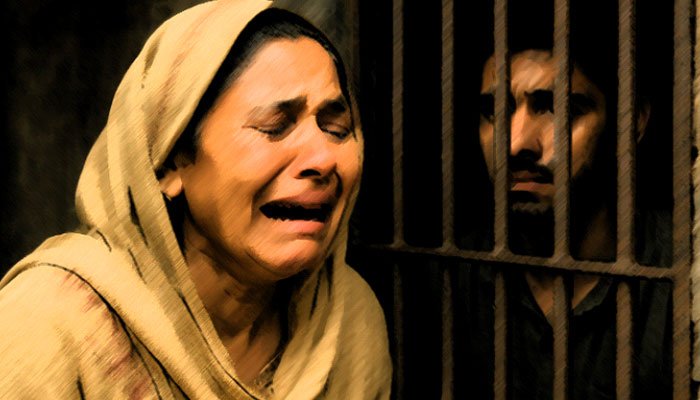
This day reminds the world that the Kashmir dispute is still unresolved. It also draws attention to the human rights situation in the region. Pakistan uses this occasion to express its political, moral, and diplomatic support for the Kashmiri people.
Why is Kashmir Solidarity Day Observed?
The main purpose of Kashmir Solidarity Day is to remind the international community that the Kashmir dispute is still unresolved. It keeps global attention focused on the issue and highlights the hardships faced by Kashmiris.
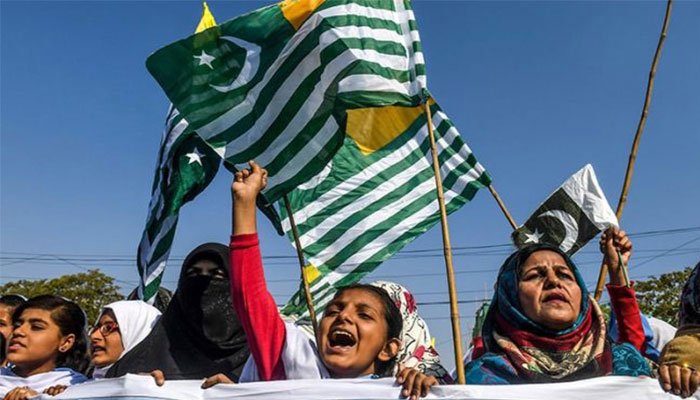
The day also sends a clear message to the people of Kashmir that they are not alone. Pakistan reaffirms its moral, political, and diplomatic support on this day.
Another important goal is to educate younger generations. It helps them understand the history of Kashmir and the importance of resolving disputes peacefully according to international law.
Understanding the Kashmir Dispute
The Kashmir issue began in 1947 when British rule ended in the subcontinent. At that time, the region was divided into two new countries, Pakistan and India. Princely states were given the choice to join either country based on geography and the wishes of their people.
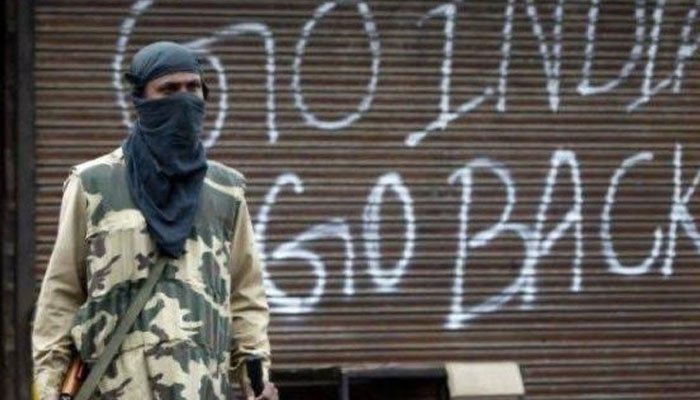
Jammu and Kashmir was a Muslim-majority state ruled by a Hindu ruler. This created tension and unrest. The situation soon turned into conflict.
The matter was taken to the United Nations. The UN passed resolutions promising the people of Kashmir the right to decide their future through a free and fair vote. However, even after more than seventy years, this vote has not taken place. The region was divided by the Line of Control, but the main issue remains unresolved.
Why Was February 5 Chosen?
February 5 was officially declared Kashmir Solidarity Day in 1990. This decision was made during a time when the Kashmir issue gained renewed global attention. A large public uprising had started in Indian-administered Kashmir, and reports of human rights violations became more visible.
Thus, Pakistan had decided to observe a special day to stand with the people of Kashmir. The aim was to show unity, raise awareness, and renew commitment to their right to self-determination. Since then, February 5 has been observed every year as a national day of solidarity.
How Kashmir Solidarity Day Is Observed?
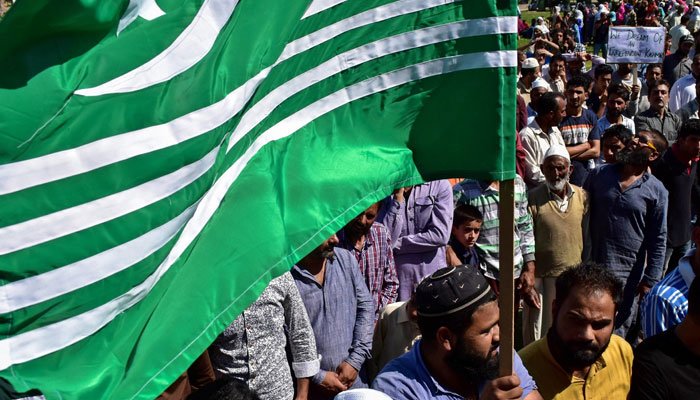
Across Pakistan, the day is marked with rallies, seminars, conferences, and special prayers. Government offices, schools, universities, and civil society groups organize events to show support for Kashmiris.
Human chains are formed in many cities to symbolize unity. National leaders address the nation and repeat Pakistan’s stance on Kashmir. They also urge the international community to play its role.
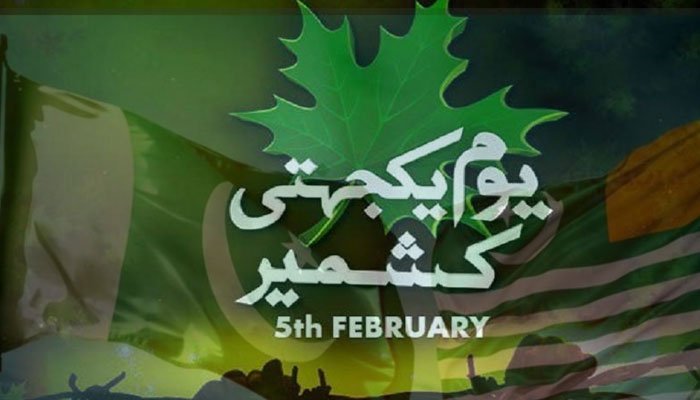
Media channels give special coverage to the issue. Programs, discussions, and documentaries focus on the history and current situation of Kashmir.
In Azad Jammu and Kashmir, the day has special importance. Large gatherings and demonstrations are held to express unity with Kashmiris across the Line of Control.
Kashmir Solidarity Day is also observed outside Pakistan. Kashmiri and Pakistani communities hold events in major cities around the world. These activities aim to inform the global public and decision-makers about the Kashmir issue.
Pakistan continues to urge the United Nations and major world powers to ensure the implementation of UN resolutions. It also supports dialogue as a peaceful way forward.
Restrictions, Detentions & Shutdowns in Kashmir
Human rights concerns are a key reason why Kashmir Solidarity Day remains important. Over the years, international organizations and human rights groups have reported issues such as restrictions, detentions, use of force, and communication shutdowns.
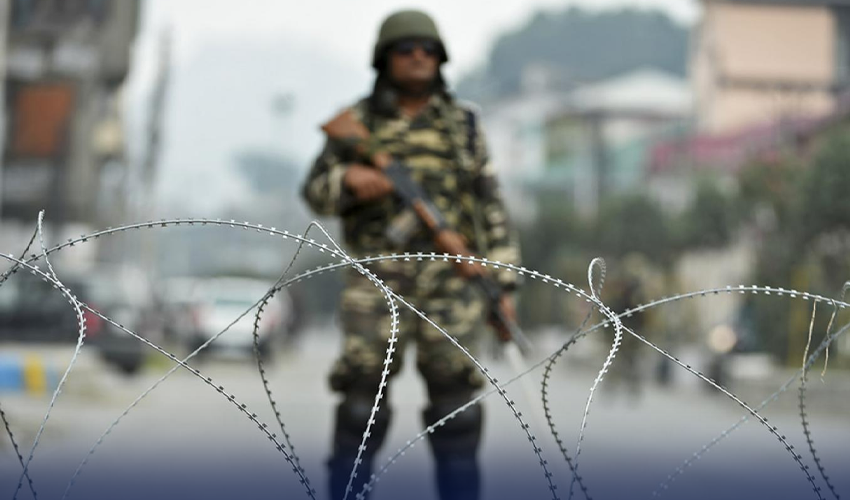
Pakistan uses February 5 to highlight these concerns. It calls for the protection of basic human rights and stresses that peace in South Asia is not possible without addressing the grievances of the Kashmiri people. The Kashmir dispute has long affected relations between Pakistan and India. Both countries are nuclear-armed, and several wars and standoffs have been linked to Kashmir.
Kashmir Solidarity Day highlights the need for a peaceful solution. It reinforces the belief that dialogue, diplomacy, and respect for international law are the only paths to lasting peace in South Asia.