Islamabad has been keen to remain relevant in the international arena of diplomacy. However, the time of such intervention might hardly be more complicated.
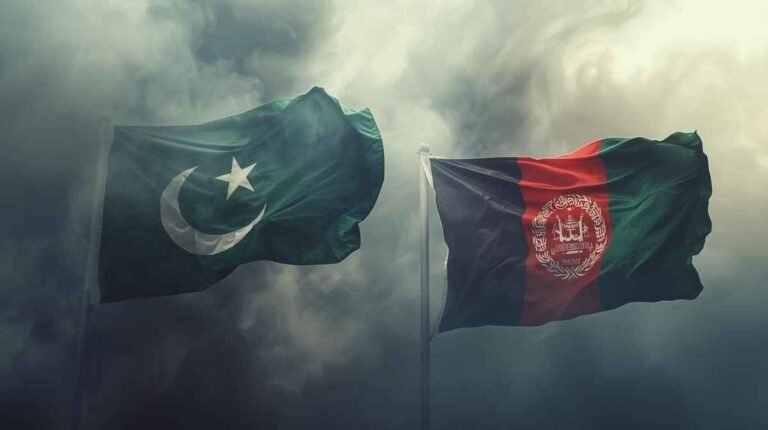
Pakistan’s Entry into the Board of Peace comes at a crossroad where the Middle East seems to be about to face one of the most dangerous periods in the region. Pakistan has ventured into a new diplomatic frontier. The fact that Islamabad has become a member of the international Board of Peace which is a multilateral project aimed at resolving the humanitarian crisis in Gaza as well as a political settlement shows that Islamabad has been keen to remain relevant in the international arena of diplomacy. However, the time of such intervention might hardly be more complicated: the language of peace is prevailing in the diplomatic rhetoric, but the situation in the region is getting the drama of hostilities.
Over the past few weeks, the relations between the United States, Israel, and Iran have become significantly worse. The killing of the Iranian military infrastructure on a large-scale, followed by the counter attacks of missiles and drones over the region has put the Middle East in a dangerous cycle of escalation. Missile facilities, security outposts and strategic bases in Iran have been targeted by military operations and Iran has in turn painted many states and derailed international energy lines. Its effects are already being experienced: the price of oil is spiraling up, air travel routes have been affected, and there has been a general fear that a small-scale conflict would easily turn into a localized war.
Pakistan’s Entry in Board of Peace
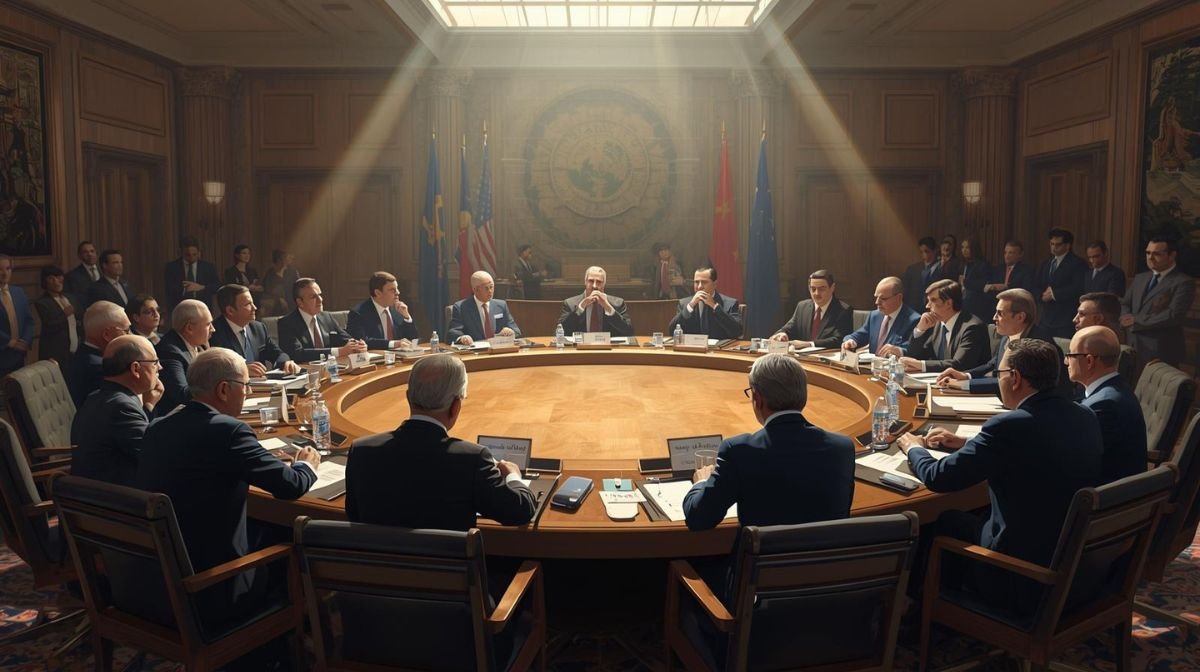
It is in this unstable situation that Pakistan has decided to make an affiliation with the Board of Peace. The project, which is a project of several nation-states and is aimed at coordinating ceasefire talks, humanitarian aid, and rebuilding of Gaza, is meant to influence the political course of the region after the destruction of the Gaza conflict. In the case of Pakistan, engagement has been framed as a principled move in line with its historic support of Palestinian self-determination and the international humanitarian law. However, there are other implications of this decision that go beyond humanitarian diplomacy.
The foreign policy of Pakistan has traditionally attempted to find the harmony between the moral obligations and strategic wisdom. On the one hand, Islamabad has always been vocal on behalf of the Palestinian cause indicating the need to have a separate state with internationally recognized boundaries. On the other hand, it has remained largely noncommittal to the Middle Eastern rivalries, rather favoring maintenance of functional relationships with other regional players. However, Pakistan has always wanted warm relationship with Washington.
Pakistan’s Position in Board of Peace
The Board of Peace puts Pakistan in a more conspicuous and possibly frail position. The forum as a suggested diplomatic tool to be used to bolster peace will be as effective or not, depending on the overall geopolitical situation. In case the region drifts further towards the conflict between Iran and U.S.-Israel alliance, the chances of significant peace processes can be reduced exponentially.
In a variety of ways, the project is indicative of a larger contradiction within the contemporary politics at the international level. Most often, peace mechanisms are put in place at the time when the political situation is least conducive to peace. Diplomatic conferences, rebuilding strategies, and humanitarian efforts tend to go hand in hand with increasing military activities. What is the outcome is the creation of a paradoxical situation where talks and bombardments take place at the same time. This paradox presents a chance and threat to Pakistan.
A Fine Walking Line for Pakistan
On the optimistic front, the involvement in the Board of Peace allows Islamabad to show its efforts of diplomatic involvement in a period when middle powers are in fierce attempts to shape the global decision-making processes. Membership is an indication of dedication to positive conflict resolution as opposed to idleness. It also strengthens the old record of Islamabad of being just to Palestine and seeking political alternatives to the crises of the region.
On the other hand, participating in the activities that are associated with the Middle East will inevitably place Pakistan under the pressure of geopolitical forces. It is not only a center of humanitarian crises in the region, but a stage of strategic competition involving world and regional powers.
The mounting tension between Iran and the U.S.-Israel alliance depicts how fast diplomatic procedures may end up getting caught in the wider power games. Based on this, Pakistan is faced with a fine walking line. It has to maintain its position of integrity on Palestine and not be seen to side with one geopolitical faction too much. It is also very important that it does not jeopardize its overall strategy in its ties with Iran, gulf states, China and the western powers.
The fact is that the modern Middle East is experiencing a radical change of its geopolitical structure. The balance of power with allies is changing, competition is evolving, and emerging types of warfare such as cyber warfare, drone warfare, etc. are altering the balance of power. In such a setting the good diplomatic endeavors even with good intentions face huge structural limitation.
Assessing the Success of this Gamble
However, disengagement is not a useful approach. In a world where globalization is becoming common, the states that are not part of the diplomatic frameworks are likely to lose the power to make decisions that can eventually impact them. The fact that Pakistan has accepted to be a member of the Board of Peace is an indicator of a realization that an imperfect institution such as this could offer more leverage than a non-participation.
The success of this gamble as a prudent move will be determined by the events that lie way outside the control of Islamabad. Should the situation between the regional tensions ease and the diplomatic avenues gain momentum, the Board of Peace may become a valuable platform to rebuild and political negotiations. But when the conflict between Iran and the U.S., Israel alliance continues, the region could slip down further towards instability making the peace efforts just a show.
In the environment where diplomacy is becoming more and more challenged by the rising levels of military confrontation, the involvement of Pakistan in the mechanisms of peaceful relations may bring up a more profound question regarding the character of world politics nowadays. When the wars grow and the peace efforts cannot keep them at bay, are these forums created to foster stability really working – or are they merely feeble attempts to impose control over a system of international relationships which is increasingly coming to be warlike?