Samra Khaksar discusses all questions surrounding Operation Ghazab lil Haq which began on February 26, 2025.
Operation Ghazab lil Haq is a Righteous Fury or Strategic Escalation? This question crosses every mind considering already escalated environment in the region.
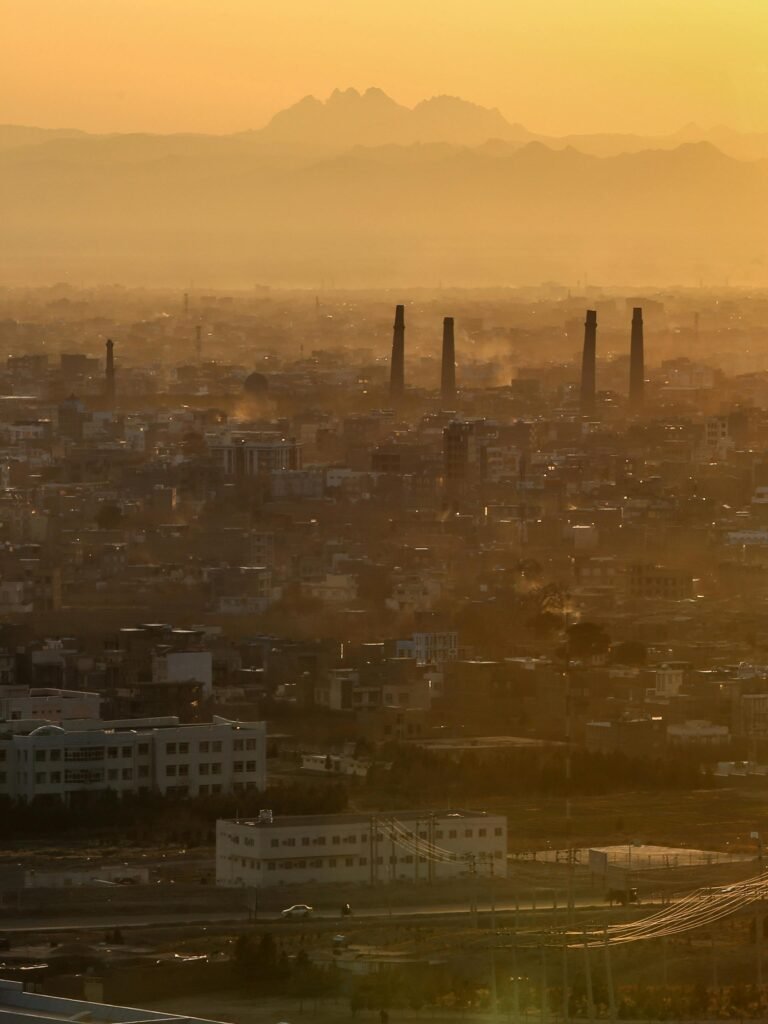
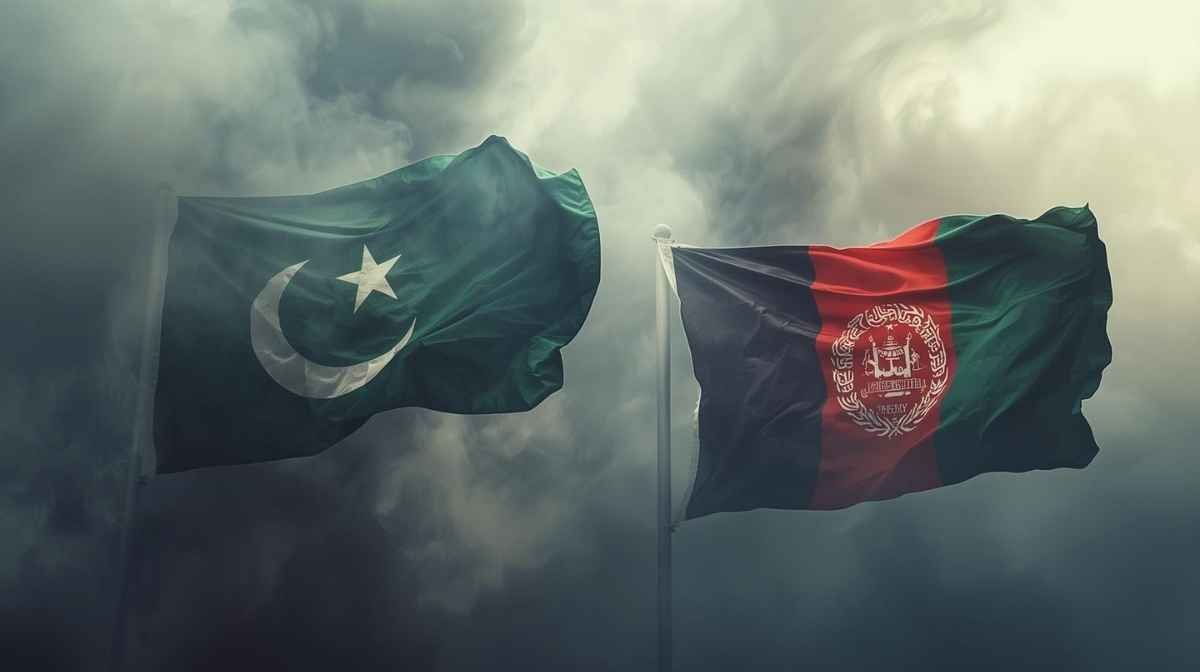
In the early morning of 26 February in 2026, the Armed Forces of Pakistan unleashed a provocative and aggressive military operation, Operation Ghazab lil Haq, which literally means Wrath of the Truth, in the territory of the State of Afghanistan including military and insurgent bases in the cities of Kabul, Kandahar and Paktia. The operation was preceded by weeks of heightening tensions between the border and mutual accusers between Islamabad and Taliban government in Kabul.
Pakistani leaders portrayed the operation as an imperative sovereignty defense against what it termed as unprovoked cross-border aggression and militia aggression, but under the veil of the rhetoric of operations, there was a much more profound and consequences-laden strategic moment that threatens to fundamentally alter the security doctrine of Pakistan and its relations with one of the most difficult neighboring states.
Islamabad claims Operation Ghazab Lil Haq was a decisive move and retaliation. Government sources claimed that the Pakistani troops had destroyed numerous Taliban posts, killed up to 133 insurgents and wounded more than 200 others, seized several key posts and neutralized tanks, artillery and command systems in the very beginning. A number of Afghan posts were reportedly hoisted with the Pakistani flag atop them following counter operations, which is dubious as a great symbolic power of warning. The escalation has continuously increased with significant damages on Afghan side.
Pakistan’s Open War Position
This type of framing echoes the history of self-defense of Pakistan. Much skirmishing across borders, which included firing, armed confrontations and an increase in militant operations, which were felt to be of Afghan origin, led Islamabad to declare that its patience had run out. The Minister of the Defense Khawaja Asif also announced publicly that the country had switched to an open war position and diplomatic and political efforts to preclude the danger had not succeeded and that decisive military action was now justified.
On the surface, the operation can be seen as mere tactical escalation as a reaction to the immediate security threats. Its strategic implications however go deeper and force a reevaluation of whether Pakistan is entering into a new stage in its Afghanistan policy one that is based less on containment and more on confrontation.
Operation Ghazab lil Haq
First, the operation of Ghazab lil Haq is a clear break of the Pakistan history of cross-border militancy. The policy of Islamabad has been swinging back and forth between brokered truces, selective action, and defensive posture along the Durand Line over the decades based on a mix of negotiations with militant factions and restricted kinetic actions. This new operation, where it is not only insurgent hideouts which are targeted, but also major urban and command infrastructure is a pointer to more aggressive posture which blurs the line between internal counterinsurgency and external military involvement.
Second, the operation underscores the vulnerability of any diplomatic balance with the Taliban government of Afghanistan. In 2025, an open ceasefire, brokered with the help of Qatar and Turkey, temporarily halted open hostilities, but the lack of trust was very deep. There were also allegations on both fronts; the Islamabad claimed that Kabul sheltered the anti-Pakistan elements and permitted militants activities, whereas the Taliban government denounced the Pakistani attacks as the violations of the sovereignty and the infringement of the international law. This cycle of escalation kills the very hope of long-term peace in the porous 2,600 kilometers border and even through diplomatic means.
Third, Operation Ghazab lil Haq deconstructs key issues regarding the strategic calculus of the military and political leadership of Pakistan. By laying emphasis on a strong kinetic reaction might Pakistan have opened another theatre of struggle that could take focus and resources away to domestic issues? The nation already has to deal with internal insurgencies, economic demands, and governance shortages. The engagement in a full-scale confrontation with Afghanistan and especially the one that would involve civilian death and inter-country displacement would further destabilize the region and reduce the chances of negotiation and confidence-building efforts.
Geopolitical Consequences
Besides, any operations of such magnitude are bound to deliver civilian casualties. Prior to the formal announcement of Operation Ghazab lil Haq, independent reports such as the ones by the United Nations Assistance Mission in Afghanistan were reporting civilian fatalities in the previous Pakistani airstrikes in eastern Afghanistan provinces. These consequences make military responses morally and legally dubious, such that they serve as fodder to victimization and grievance narratives that militant groups can use to recruit and produce propaganda.
Lastly, this militarization has even more far-reaching geopolitical consequences. Today, Afghanistan is on the crossroad of regional interests, and the global actors are closely observing its situation: Iran, Russia, China, India, and other countries in the Gulf are keeping a close eye.
Any escalation of war in the Pakistan-Afghanistan status may be a welcome to foreign diplomacy measures, change of allegiance, and revival of the great-power rivalry to the region, which already knows how to get involved into complicated relations. It is not a border crisis but a strategic outcome in the case of Pakistan in which the relationships with the outside world are closely connected to both the Belt and Road programs of China and to the changing realities of the Indo-Pacific.
Key: Solving Real Causes of Conflicts
However, it should be noted that military force, even in its precise application and followed tactical success stories alone cannot solve the real causes of conflicts. The lack of governance, ideological disintegration, marginalization of the economy and power vacuum within borders areas cannot be solved through bombardment. An approach in which the priorities are on defense and retaliation without at the same time investing in diplomatic activity, cross-border co-operation and conflict-transformation factors, will yield chronic insecurity instead of long-term peace.
The leadership of Pakistan security may consider Operation Ghazab lil Haq, as a power, determination and deterrence exercise. Nevertheless, in the volatile game of South Asian security politics, the use of force may also solidify resistance, retaliate, and entrap both states in the vortex of escalation of the conflict.
With the smoke cleared off and political forces dividing the claims of the battlefield, the question remains: can Operation Ghazab Lil Haq become the turning point of long-term stability, or will it widen the very rifts it is intended to heal by recreating military supremacy as the ultimate remedy to simmering political Sulphur?