Comparison Between USA and EU War Capabilities gives us an insight into what they have in place to fight for their sovereignty. The military capabilities of the European Union and the United States of America (USA) are fundamentally different, shaped by historical experiences, strategic priorities, budgets, and technological advancements. While both are global powers in their own right, their strengths, weaknesses, and approaches to warfare differ significantly.
Military Size & Personnel
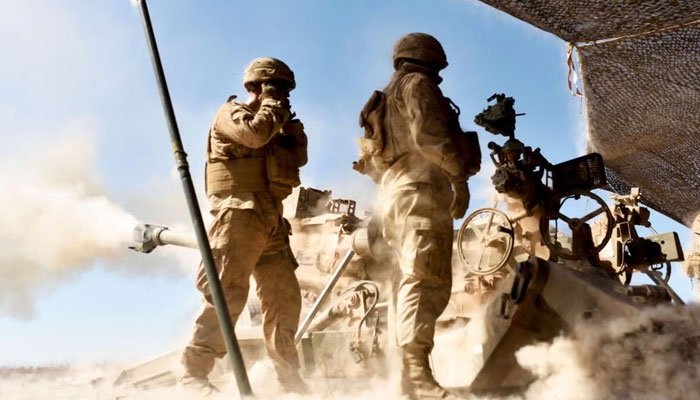
The US maintains an active military force of approximately 1.3 million personnel, with a highly trained reserve of around 800,000. The US military is a professional volunteer force with extensive combat experience, allowing rapid deployment worldwide.
On the other hand, the case of European Union is also unique. The EU, collectively, has an active military personnel count of about 1.5 million, with an additional 1.2 million in reserves. However, EU forces are divided among member states, lacking a unified command structure, which limits their ability to conduct coordinated, large-scale operations beyond Europe. Some EU nations maintain conscription, but most rely on professional forces.
Power Projection
The US excels in power projection, maintaining 11 nuclear-powered aircraft carriers, hundreds of warships, and a vast network of over 750 military bases worldwide. This allows rapid deployment of forces anywhere on the globe. The US also possesses a strategic nuclear triad and unmatched airlift and sealift capabilities.
The EU, collectively, has 2–3 aircraft carriers (France and Italy) and a smaller naval presence. While EU countries maintain capable forces, they lack the independent global power projection capabilities of the US. EU strategic reach often relies on NATO cooperation and US support.
Air & Naval Strength
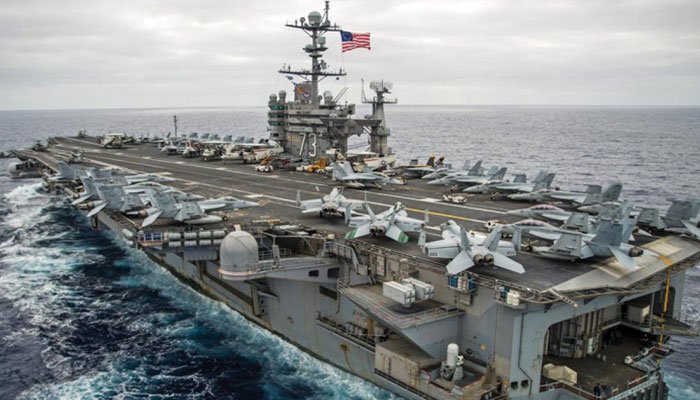
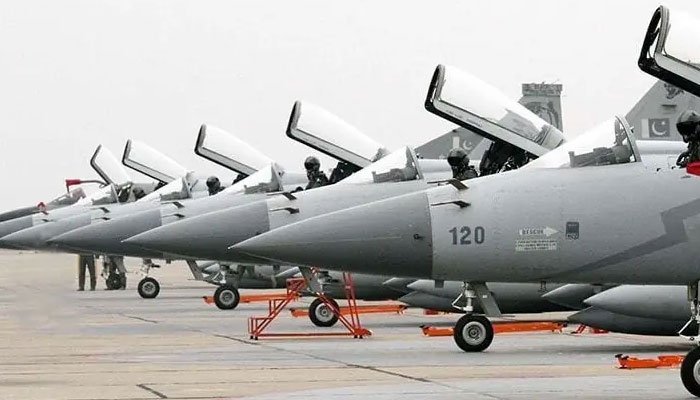
The US Air Force operates over 2,400 combat aircraft, including around 500 fifth-generation F-35s and strategic bombers like B-1, B-2, and B-52. Its UAV and drone network is extensive, supporting intelligence, surveillance, and precision strikes globally.
The EU has about 1,800 combat aircraft collectively, including F-35s, Eurofighters, and Rafales. However, European air power is mostly limited to regional defense and NATO missions, lacking strategic global strike platforms.
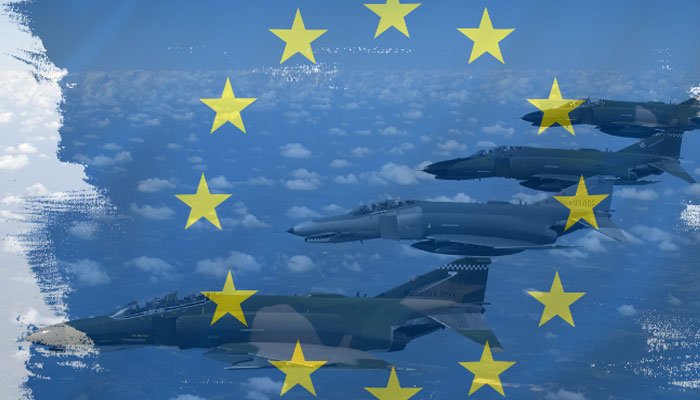
In terms of naval capabilities, the US Navy is the largest globally, with nearly 500 combat ships, including nuclear submarines and 11 aircraft carriers. The EU’s navies are smaller, around 300 ships, and rely on conventional submarines with limited global operational reach.
Defense Budget & Spending
The US defense budget is the largest in the world, at approximately $900 billion annually (2025 estimate), which is about 3.5% of its GDP. This allows significant investment in advanced technology, research and development, and global military operations.
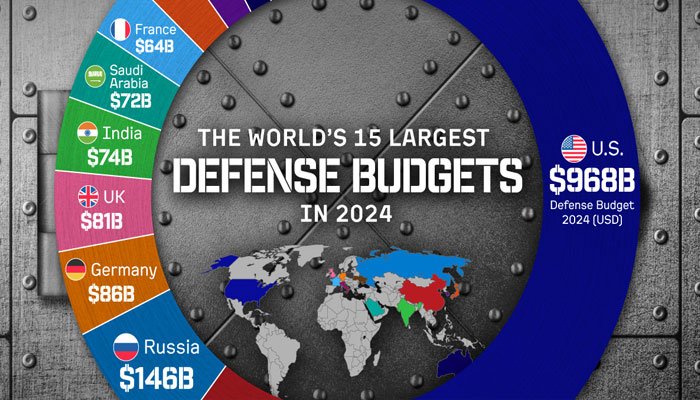
The EU collectively spends around $350 billion, approximately 1.5–2% of GDP, with significant variations among member states. While some countries like France and the UK maintain advanced defense programs, most EU nations have smaller budgets, limiting their ability to develop cutting-edge weaponry independently.
Cyber & Space Warfare
The US is a global leader in cyberwarfare and space-based military operations, possessing offensive and defensive capabilities and a network of satellites for communication, GPS, and missile warning.
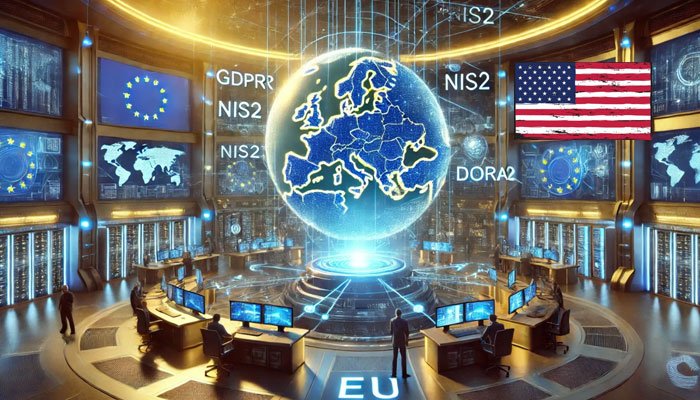
The EU is developing cyber and space capabilities but remains largely defensive, relying on NATO and national programs from France, Germany, and the UK.
Combat Experience
The US military has decades of continuous combat experience in Afghanistan, Iraq, Syria, Libya, and other regions. Its special forces, including Navy SEALs, Delta Force, and Green Berets, are highly trained for complex operations worldwide.
The EU primarily participates in peacekeeping missions and regional interventions, such as NATO operations in Africa and the Middle East. European forces have less experience in sustained global combat operations compared to the US.
Strengths & Weaknesses
The European Union, on the other hand, benefits from large combined manpower and strong economic backing, modern technology with capable regional forces, and significant regional influence in Europe, Africa, and the Mediterranean. Its weaknesses include fragmented command and coordination, limited global strike and nuclear capabilities, and dependence on NATO and the United States for large-scale operations.
The United States has several key strengths, including unmatched global power projection, advanced technology and nuclear capability, combat-experienced professional forces, and extensive logistics supported by a network of global bases. However, it also faces weaknesses such as high maintenance and operational costs and limited manpower flexibility due to its volunteer-based system.