A Turning Point in Global Power Dynamics
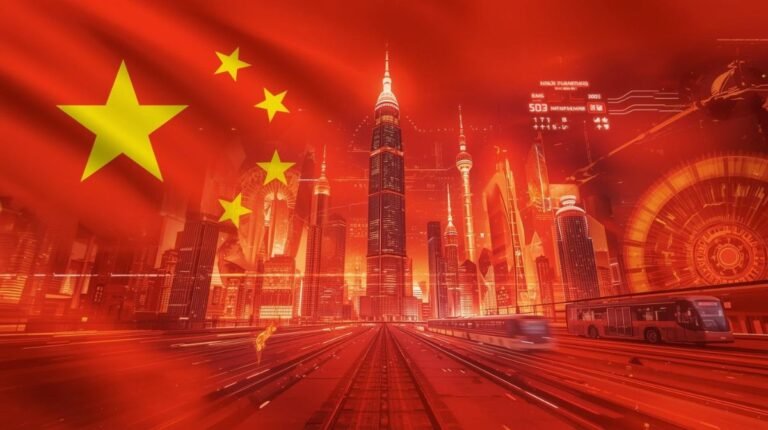
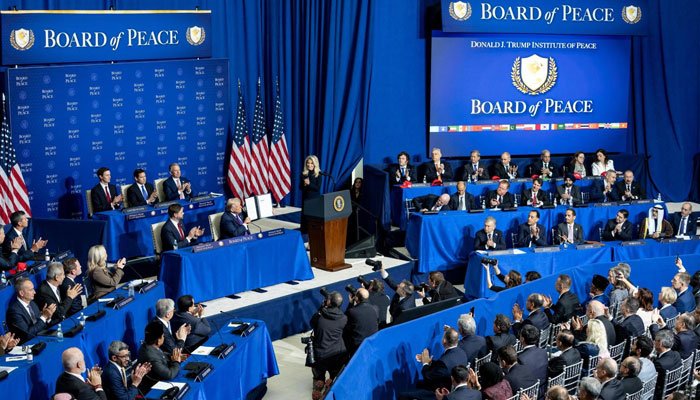
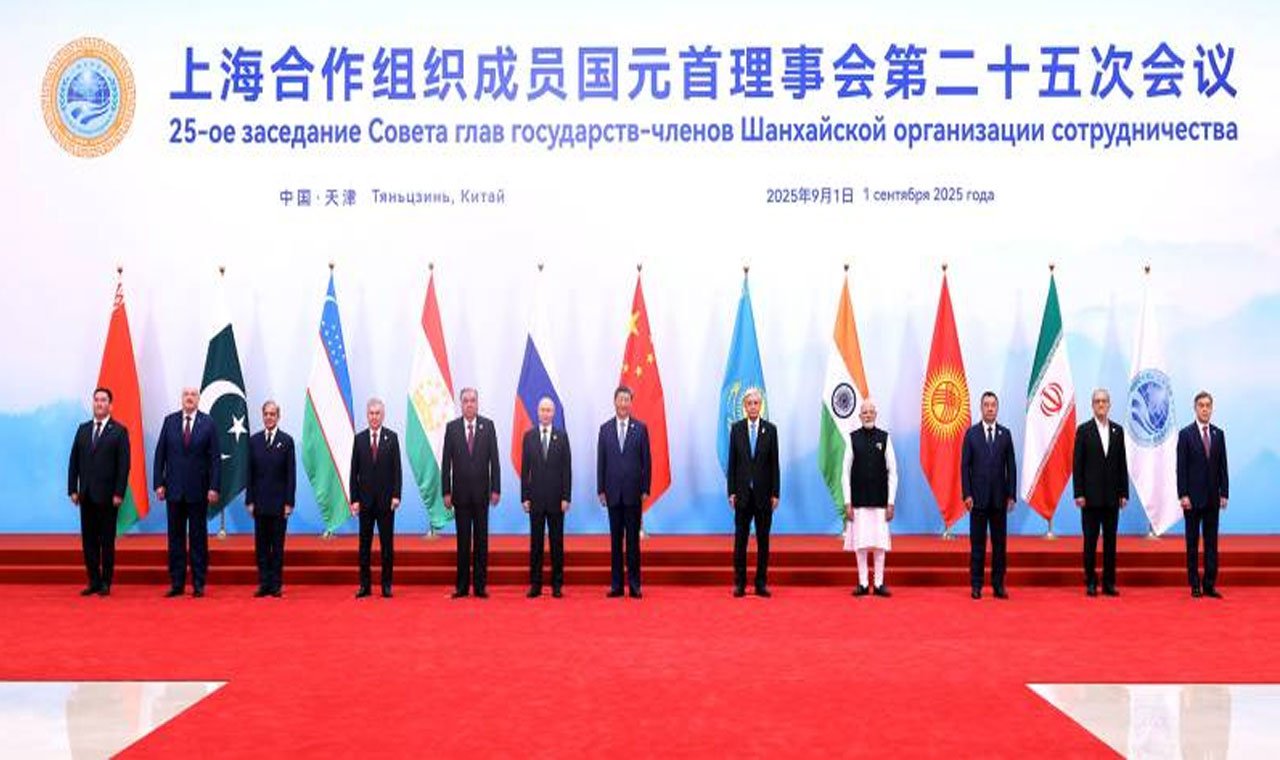
The recent meeting of the Shanghai Cooperation Organization (SCO) in Tianjin, China, marked a pivotal moment on the world stage. Host President Xi Jinping used the summit to boldly declare China as the new global superpower. This declaration was made in front of heads of government from nearly 20 countries, sending a clear and deliberate message: the era of American global supremacy is fading.
In 2024, the 23rd summit of the Shanghai Cooperation Organization (SCO), had hosted by Pakistan, concluded with significant agreements among member states, including a commitment to a new economic dialogue.
Xi’s Message: End of U.S. Hegemony

President Xi’s confident tone and direct language during his address made it evident that the United States no longer commands the unchallenged authority it once did, especially since World War II. Instead, China now presents itself not just as a rising power, but as an established superpower.
Without naming the U.S. directly, Xi denounced hegemonism, Cold War mindsets, and bullying tactics. He pointed to America’s trade wars, military interventions, and isolationist policies as signs of a broken system. In contrast, China’s global vision is built on investment, cooperation, and mutual respect.
A New Model for Global Leadership
China is advancing its leadership on three main fronts:
- Economic: Through the Belt and Road Initiative, connecting over 150 countries.
- Technological: Dominating in AI, 6G, electric vehicles, and space technology, with firms like Huawei and Baidu at the forefront.
- Governance: Promoting global cooperation rather than military alliances like NATO, and calling for reforms in institutions like the UN.
Xi’s model starkly contrasts with Western dominance and offers an alternative that many countries are now embracing.
Global Support for China’s Vision
The leaders of Russia, China and India joined others from central Asia at the latest summit of the Shanghai Cooperation Organisation (SCO), a grouping sometimes seen as a foil to US influence in the region.
Read more 🔗 https://t.co/w0C3EYKqIy pic.twitter.com/0GgMnPe0NN
— Sky News (@SkyNews) August 31, 2025
Despite Western efforts to undermine the SCO summit, the event in Tianjin showcased strong support for China from countries including Russia, Turkey, Iran, Pakistan, and various Central Asian and African nations. The message was loud and clear: the majority of the world is ready to recognize China as the new global leader.
While the U.S. and Europe are increasingly seen as a shrinking bloc, China’s influence continues to grow across continents.
America’s Isolation vs. China’s Integration
The U.S.’s legacy of military interventions — from Iraq to Libya and Afghanistan — has left it isolated and unpopular in many regions. In contrast, China is building influence through investment and peaceful cooperation.
Experts suggest the world is entering a new Cold War, but with a major difference. The Soviet Union had military might but lacked economic power. China, however, holds both, making it a formidable challenger to the U.S.
What This Means for Pakistan

This global shift opens new opportunities for Pakistan. American demands come with political and economic pressure, while China offers partnerships through defense and development — most notably, the China-Pakistan Economic Corridor (CPEC).
China’s rise as a superpower could be a strategic win for Pakistan, bringing new avenues for trade, security, and diplomatic leverage.
India’s Isolation & Pakistan’s Gains
A symbolic moment at the summit was the exclusion of Indian Prime Minister Narendra Modi from China’s grand military parade marking the 80th anniversary of Japan’s defeat in World War II. This act emphasized a growing alignment between Pakistan, China, and Russia.
Pakistan scored key diplomatic victories at the summit:
- The issue of missing persons was dismissed.
- Member states supported Pakistan’s stance against India’s proxy networks.
- The terrorist organization BLA was formally denounced for the first time at an international platform.
This was a historic setback for India and a strong international endorsement of Pakistan’s security concerns.
The World Map Is Changing
A power shift is underway. The center of global influence is moving from the West to Asia. China is now deepening ties with Africa, Latin America, and the Middle East. In time, this will reshape the United Nations and other global institutions.
Can the United States reclaim its former status? Given its deep internal challenges, that seems unlikely. China has shown the world that leadership can be achieved through collaboration, not coercion.
Final Thoughts
As more nations rally behind China’s vision, the global balance of power is being redefined. The U.S. must rethink its strategy — or risk becoming irrelevant in a multipolar world.