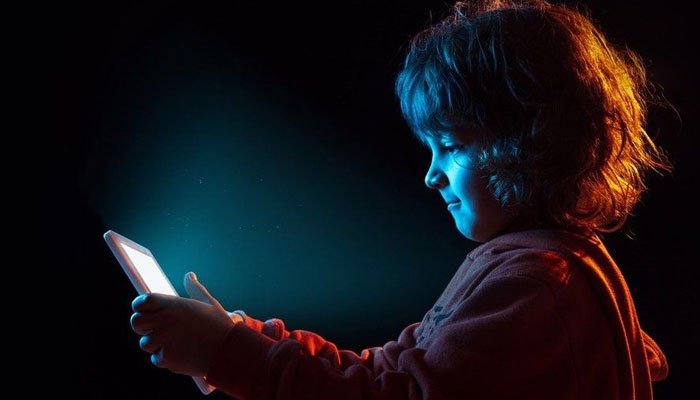
UK Plans Stricter Online Safety Rules to Protect Children. The United Kingdom (UK) is planning new rules to make the internet safer for children. Under Prime Minister Keir Starmer, the government is considering a law that could stop children under 16 from using social media. At the same time, they want to make sure AI chatbots like ChatGPT, Grok, and Google Gemini are properly regulated. These changes could come into effect within a few months after a public consultation finishes, showing the government’s commitment to protecting young people online.
Recorded on the 19th January, and today the UK government announce a planned social media ban.
How could this be predicted so easily? Because when you know the plan, its easy to predict the future.
That’s what we do at @ickonic pic.twitter.com/tBGVYxEU51
— Jaymie Icke (@JaymieIcke) February 16, 2026
What the UK Is Proposing
The government wants to introduce two major measures. First, social media platforms would have to block children under 16 from signing up or using their services. This would include tools to check age, prevent VPNs from bypassing restrictions, and limit features that can be addictive, such as infinite scrolling. They also want to make sure children’s data can be preserved for investigations if something goes wrong.
Second, AI chatbots would have stricter rules. Right now, one-to-one conversations with chatbots are not fully covered by law. The new rules would make sure platforms remove illegal content and protect children from harmful AI outputs.
Technology Secretary Liz Kendall told BBC Breakfast that “patience isn’t my greatest virtue” and emphasized the need to act quickly when asked if a social media ban for under-16s could be implemented this year.
‘Patience isn’t my greatest virtue’
Technology Secretary Liz Kendall told #BBCBreakfast ‘we need to move swiftly’ when asked whether a ban on social media for under 16s could be introduced this yearhttps://t.co/AJK92jMcqi pic.twitter.com/LMSI2cKNqK
— BBC Breakfast (@BBCBreakfast) February 16, 2026
Why These Measures Are Needed
The main reason is child safety. Studies show that social media and unregulated digital interactions can affect children’s mental health. Young people can experience anxiety, depression, and addiction to scrolling. They can also be exposed to harmful content like sexual material, self-harm instructions, radical ideas, or cyberbullying.
The government also wants tech companies to take responsibility. Many platforms do not properly check ages, and some use addictive designs to keep users engaged. Extending the Online Safety Act will hold companies accountable and give authorities stronger ways to enforce the rules.
How Other Countries Are Handling This
The UK is not alone. Australia already bans social media for children under 16. Platforms like Instagram, TikTok, Facebook, X, YouTube, Snap, and Twitch must block underage users or face large fines. Malaysia is introducing similar restrictions to protect children from cyberbullying and scams. Indonesia is also planning age limits for social media.
While in October 2021, the Ministry of Information Technology and Telecommunication in Pakistan had notified new rules to regulate Social Media platforms.
🚨🇬🇧BREAKING: British PM Keir Starmer has announced immediate steps to ban social media for minors.
But the reality is far more alarming – this move will strip anonymity from all users across the UK.
This will pave the way for even more mass arrests over social media posts. pic.twitter.com/G2scAhoPDP
— Mario ZNA (@MarioBojic) February 16, 2026
Other countries have different approaches. France and Italy require parental consent for children under a certain age. South Korea limits how long young people can use social media at night. China has strict youth protection rules that limit usage and block access to many platforms. These examples show a global effort to make the internet safer for young users.
Challenges & Concerns
Even though many people support these measures, there are some challenges. It is not easy to check ages accurately. Privacy is also a concern because personal data might be required. Some children might move to unregulated platforms where it is harder to protect them. Finally, these rules raise questions about freedom of expression and digital rights.
Conclusion
The UK’s plans to limit social media use for children under 16 and regulate AI chatbots are major steps toward online safety. They aim to protect children’s mental health, safety, and development. While other countries like Australia are already enforcing similar laws, the UK’s approach could become a model for the world, balancing child protection with responsible digital governance.