In normal conditions, about twenty to twenty-one million barrels of petroleum would pass through the strait each day through it.
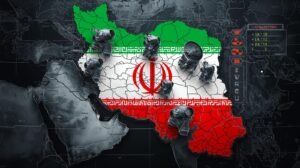
In international relations geography often determines destiny. The Strait of Hormuz, a marine route between Iran and Oman, is an example of such a relationship, as it is a key point of the world energy commodity distribution. The modern-day geopolitical friction between Iran and the United States-Israel alliance has led to an almost total collapse of this passage, which is sending considerable alarms across the world financial markets and putting the economies that are dependent on energy, like Pakistan, in a significantly jeopardized situation.
The Strait of Hormuz is generally considered the most important energy choke point in the world. In normal conditions, about twenty to twenty-one million barrels of petroleum would pass through the strait each day through it, and the 20 percent or so of world oil usage, as well as nearly a quarter of seaborne oil trade. The channel also contributes a significant percentage of the global liquefied natural gas exports, especially those of Qatar intended to the Asian markets. As a result, shutting down or disrupting this maritime route would relay instantaneous imbalances in world-energy systems.
These concerns have been confirmed by the happenings in recent skirmishes. After the implementation of military attacks to Iran, and the escalation of the tensions in the area, Iran is reported to have planted naval mines in the water and threatened to block oil vehicles going through the strait. The resulting maneuver has successfully stopped or radically reduced commercial shipping, halted oil export in the Gulf and caused the prices of crude-oil to shoot to a high level.
World Energy Markets in Volatility
The destabilization already had conspicuous effects. Various cargo ships have been hit near the strait as the conflict intensifies and major shipping corporations have blocked shipment to the area because of increased insecurity. The maritime operations of ports along the Gulf are reduced, whose operations are very much dependent on this single maritime route. With the decline in tanker movements and the soaring insurance premiums, the world energy markets have entered the period of increased volatility.
In the past, even little inconveniences in Hormuz have been observed to cause enough disruption in international oil markets. The consequences are significantly worse in the current crisis. Energy analysts have warned that the long blockade is going to catapult the price of crude-oil to significantly greater heights with some of their projections indicating the price can go as high as $200 a barrel in the event the blockade is prolonged. To an economy already rattled by inflationary pressures and fragmented by geopolitical divisions on a global scale, such a surge would amount to a significant economic shock.
In the case of Pakistan, the effects are especially severe. Most of its petroleum needs are imported making its economy highly sensitive to changes in the world oil prices. The impacts of an upward movement of global prices are almost instantaneous in that global prices enhance fuel spending, electricity charges, and pressure on the already stretched balance of payments of the country. A shutdown of the Strait of Hormuz goes beyond a far-off geopolitical event, quickly becoming actual domestic economic consequences.
Supply Chain Shocks
The Pakistani trade and energy supply chains have a complex connection to the gulf shipping routes. A large percentage of imports to the country such as the crude oil and other important products goes through this sea route. Analysts indicate that 30-40% of the imports of Pakistan are dependent on the Strait of Hormuz, which means that any persistent interference will increase shipping expenses drastically and supply chains.
This can cause a domino effect in the national economy. High oil prices increase transportation costs thus increasing food, manufacturing and consumer goods prices. The inflation rate increases, fiscal deficits increase due to increased energy subsidies and foreign-exchange pressure increases as the nation spends more dollars on imported energy.
In addition to economic factors, the crisis highlights the strategic weakness of Pakistan. Pakistan is a developing country that is largely reliant on imported energy and therefore it is vulnerable to geopolitical wrangles occurring well beyond its borders. Any activity in the Persian Gulf, be it the armed conflicts, sanctions and disruptive maritime actions can quickly transform the economic landscape of Pakistan.
The need of long-term energy diversification is highlighted by this dependence. Renewable energy, regional pipeline connection, and domestic development of resources are often the topic of discussion in the circles of policy, but there has been an uneven pace in such development. The Hormuz crisis is a timely lesson that energy security is not just an economic consideration, but a primary pillar of a national security.
Global Dependence on Fossil Fuels
At the same time, the scenario reveals a more profound structural issue with the energy system in the world. Although the world has gone decades of technological progress and continued discussion on energy transition, the world is still distinctly dependent on fossil fuels that pass through narrow and politically unstable maritime choke points. The consequences of such corridors when turned into arenas of conflict go way past the immediate area.
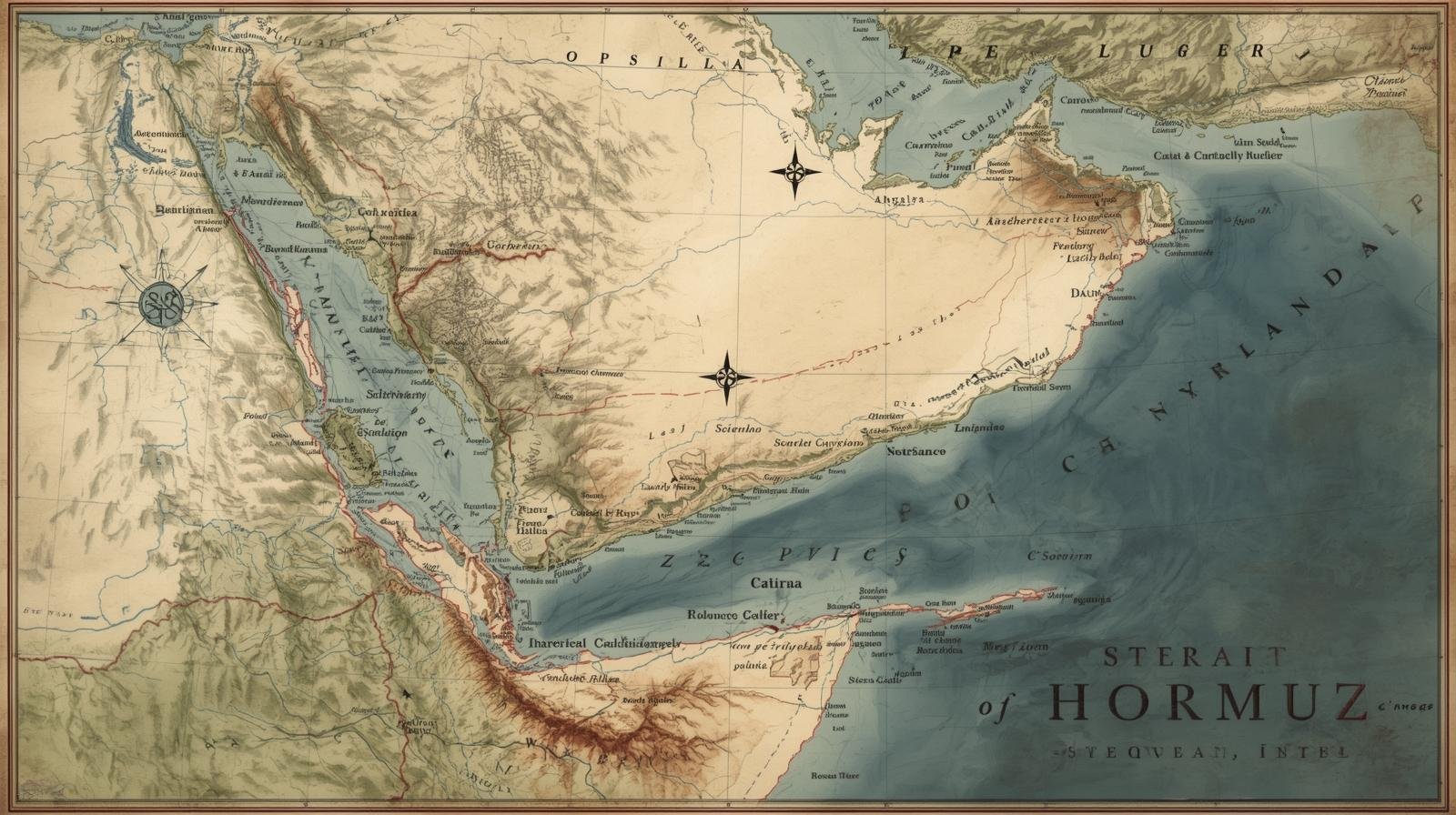
As such, the Strait of Hormuz is not merely a geographic route, but a strategic fault line between geopolitics, energy security and economic stability. As the ongoing crisis has proved, one thin waterway – hardly visible on a world map – has the potential to shake international markets, change the calculations of world politics, and put a great burden on the fragile economies.
To Pakistan and many other states which import energy, this is a lesson that geopolitical friction taking place thousands of miles away can quickly be converted into turmoil in the economy back home. This fact reminds us that in the interconnected structure of modern politics in the energy industry, the shutdown of one strait can spread to the whole international system.