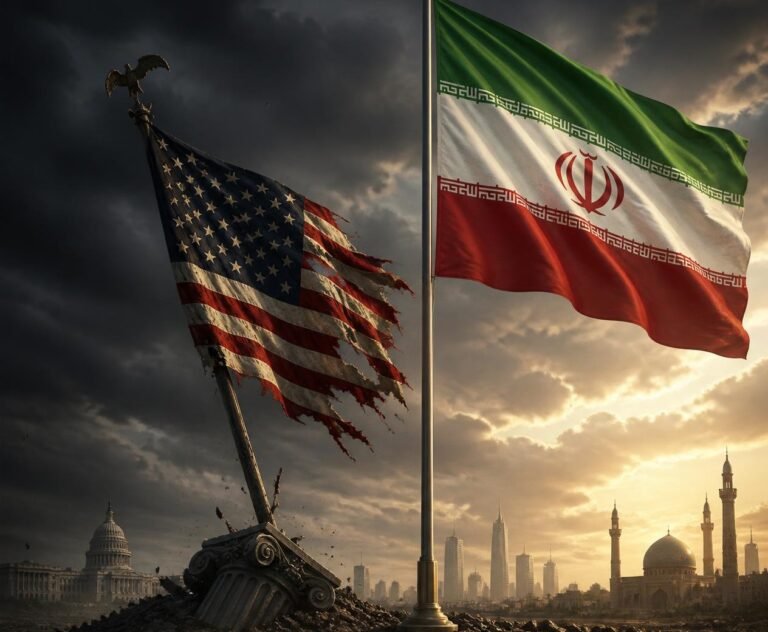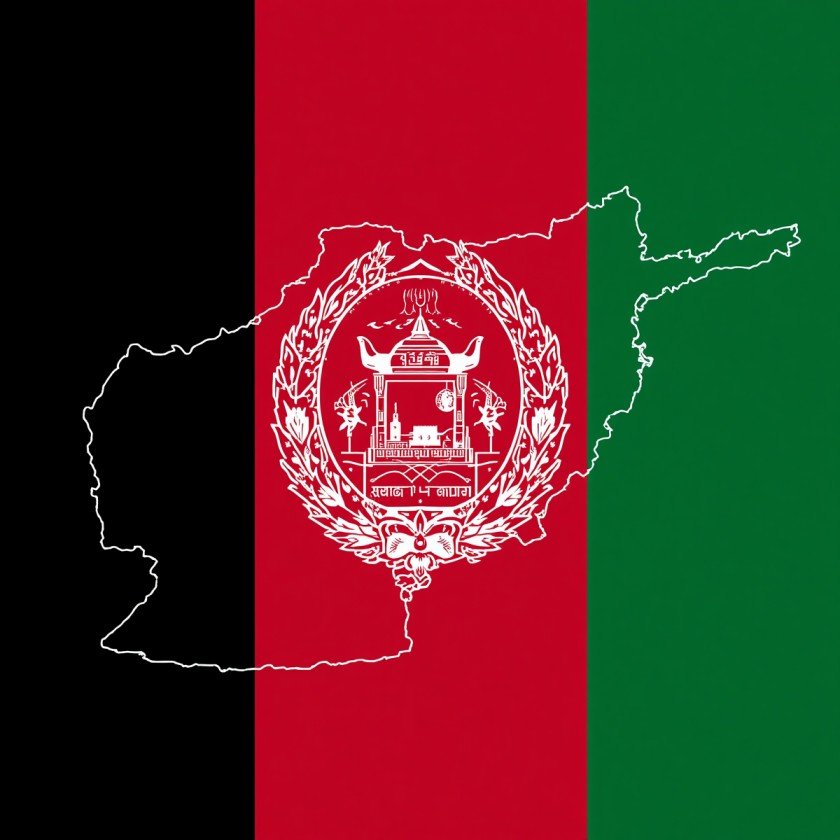
The withdrawal of the United States forces from Afghanistan in August 2021 marked the end of a twenty-year-long military engagement that started due to the September 11 attacks in the United States in 2001. It started with the aim of disbanding Al Qaeda, the terror group responsible for the attack, but later shifted to a nation-building effort. Under the Biden administration, Washington declared that the main purpose of degrading Al Qaeda and preventing another attack from Afghanistan had been accomplished so now it was time to bring its troops home. President Biden said that it was necessary to end America’s longest war and shift its focus to the nation’s other priorities.
However, the exit of the United States perhaps did not go the way as they had originally calculated. Internationally, the US exit was perceived as chaotic and damaging to its credibility. Current President Donald Trump, who originally negotiated the US exit agreement with the Taliban has openly criticised the Biden administration on its way of exit stating it as the most embarrassing moment in US history, arguing that billions of dollars’ worth of equipment was left behind and it completely tarnished the US standing.
The consequences of this withdrawal continue to shape the security landscape in South Asia affecting countries like Pakistan, India, Iran, China and the Central Asian Republics. This article emphasises the security implications on South Asia after the US withdrawal from Afghanistan with main focus on weapons proliferation, role of non-state actors such as the Tehrik-i-Taliban Pakistan, the return of insurgency, strategic infrastructure such as Bagram airbase and the wider strategic recalibrations of state and non-state actors.
US Withdrawal from Pakistan
The decision to withdraw forces from Afghanistan was made through the Doha Agreement which was signed between the Trump administration and the Taliban in 2020. The agreement also required the Taliban to reduce attacks on US forces and engage in peaceful dialogue and negotiation. When President Biden took office in January 2021, he upheld the withdrawal with some modifications stating that keeping military presence was unsustainable.
The US officially withdrew from Afghanistan on 31st August, 2021 ending nearly two decades of American military presence. Although the withdrawal may have satisfied internal political pressure, as the US public was extremely fatigued over the long drawn out war, it still had serious security implications across South Asia.
After the US forces departed, the US supported Afghan government collapsed and the Taliban got control of the entire country. This significantly altered the dynamics of the region. With the Taliban back in control, there was a fear of rise of militant groups and organisations. A fear that Afghanistan could become a safe haven for them. According to a report highlighted by a US congressional committee, the withdrawal degraded US national security and allowed Afghanistan to become a safe haven for terrorist organisations, boosting groups such as Al Qaeda and ISIS-Khorasan.
One of the biggest security concerns arising from the US withdrawal was the weaponry that was left behind. American forces left behind huge quantity of weapons including, rifles, machine guns, grenade launchers, armoured vehicles, Humvees and aircrafts, etc. Approximately 7.2 billion dollars’ worth of weaponry was left behind.
US Weapons with Taliban
This figure comes from US Department of Defense’s SIGAR reporting about US-provided equipment that remained with Afghan forces and was later captured or taken over when the Taliban returned. These weapons had been supplied to the Afghan National Army. Many of these weapons were taken up by the non-state actors such as TTP. The Pakistan army has publicly warned the militants securing US origin weapons including the Tehrik-i-Taliban Pakistan (TTP) against carrying out attacks in Pakistani territory.
Pakistani officials have quoted figures from the Pentagon which state that over 300,000 weapons from 427,000 supplied to Afghan forces remain active and are vulnerable to the usage by non-state actors. The weapon proliferation is not theoretical in any sense, rather Pakistani media sources have reported concrete evidences where militants have used US made weapons in cross border terrorism, causing an alarming security concern for Pakistan.
Another symbol of the changing dynamics is the Bagram Airbase, the most important and largest US military facility in Afghanistan. Current President Donald Trump has made efforts to regain the airbase highlighting its value and importance due to its proximity to China and also criticising the approach of the Biden administration in handing it over to the Taliban. Taliban officials have rejected this view claiming Afghanistan will not accept foreign military presence on its soil and any breach of its sovereignty will be replied in a befitting manner.
Afghanistan Pakistan Crisis
A really sensitive issue for Pakistan is the TTP. With the Taliban in power, the TTP originally allied with the Taliban, has increased its activities against Pakistan now that it has a safe sanctuary in Afghanistan. Although the Afghan government guarantees limited militant movements it has not been successful in suppressing TTP violent activities which leads to increased cross border incursions and attacks in Pakistani territory. The affect is military operations from Pakistan side as well against the militant hideouts in tribal mountainous regions. This also affects bilateral relations among the two countries.
The standoff reflects deeper regional tensions. China, Russia, Iran and South Asian powers such as Pakistan and India are all revising their approaches to Afghanistan’s future security arrangements and economic ties.
Pakistan is perhaps the most affected country when it comes to instability in Afghanistan. The cross border terrorism, refugees arriving, and the weapons proliferation all cause serious security concerns for Pakistan. Pakistan views the TTP resurgence and the possible misuse of American made weapons as a threat to its domestic stability. Moreover, due to the TTP sanctuaries in Afghanistan and related concerns, diplomatic ties between Afghanistan and Pakistan remain rigid with no step towards improvement until these issues are solved. Pakistan has to balance public opinion and concerns over recognising a regime that shelters militants.
Afghanistan and India
India had good ties with the Afghan government, investing in Afghan projects and counted Afghanistan as a partner against radicalism. With the return of the Taliban, relations have soured. India has security concerns regarding the strengthening of Pakistan-aligned groups. India has limited diplomatic contact with Afghanistan and voices support for regional stability.
Afghanistan and Iran
Iran shares a long border with Afghanistan and is concerned of militant groups that could threaten its Shia communities, especially after the Afghan transition. Tehran also fears a strengthening of US influence if geopolitical competition in the region intensifies.
Afghanistan and China
China focuses on preventing Uyghur militants from gaining sanctuary in Afghanistan. Increasing economic ties especially through its Belt and Road Initiative. The Central Asian Republics have the main concern of cross border militancy and refugee problems.
Core Regional Concern for South Asia
A core regional concern after US withdrawal is the re-emergence of Al Qaeda and its allies. According to a US report highlighted in recent media, Al Qaeda has established multiple bases in Afghanistan raising alarms once again of Afghanistan becoming a hub for sponsored terrorism. This re-emergence not only has serious security implications for south Asia but for the rest of the world as well, as extremist violent groups can go to any lengths for the attainment of their motives.
The US withdrawal from Afghanistan has completely changed the dynamics of South Asia. Although the withdrawal was justified on domestic political grounds it led to the introduction of new risks: weapon proliferation, militant sanctuaries, (including TTP), regional alternating dynamics and the re-emergence of extremist groups such as Al Qaeda. The security challenges that have come forth now need collaborative efforts, both diplomatic and defence as isolated efforts will not bring any gains. For Pakistan, the implications and threat is immediate and profound requiring constant vigilance and dialogue with both regional and international partners.